What Causes Leg Pain After Walking for a Long Time? Causes, Treatment, and Relief
Introduction
Walking is one of the simplest and most effective ways to stay physically active. It supports cardiovascular health, strengthens muscles, improves joint mobility, and contributes to overall well-being. However, some people experience leg pain after walking for a long time, making everyday activities such as shopping, commuting, exercising, or exploring new places uncomfortable.
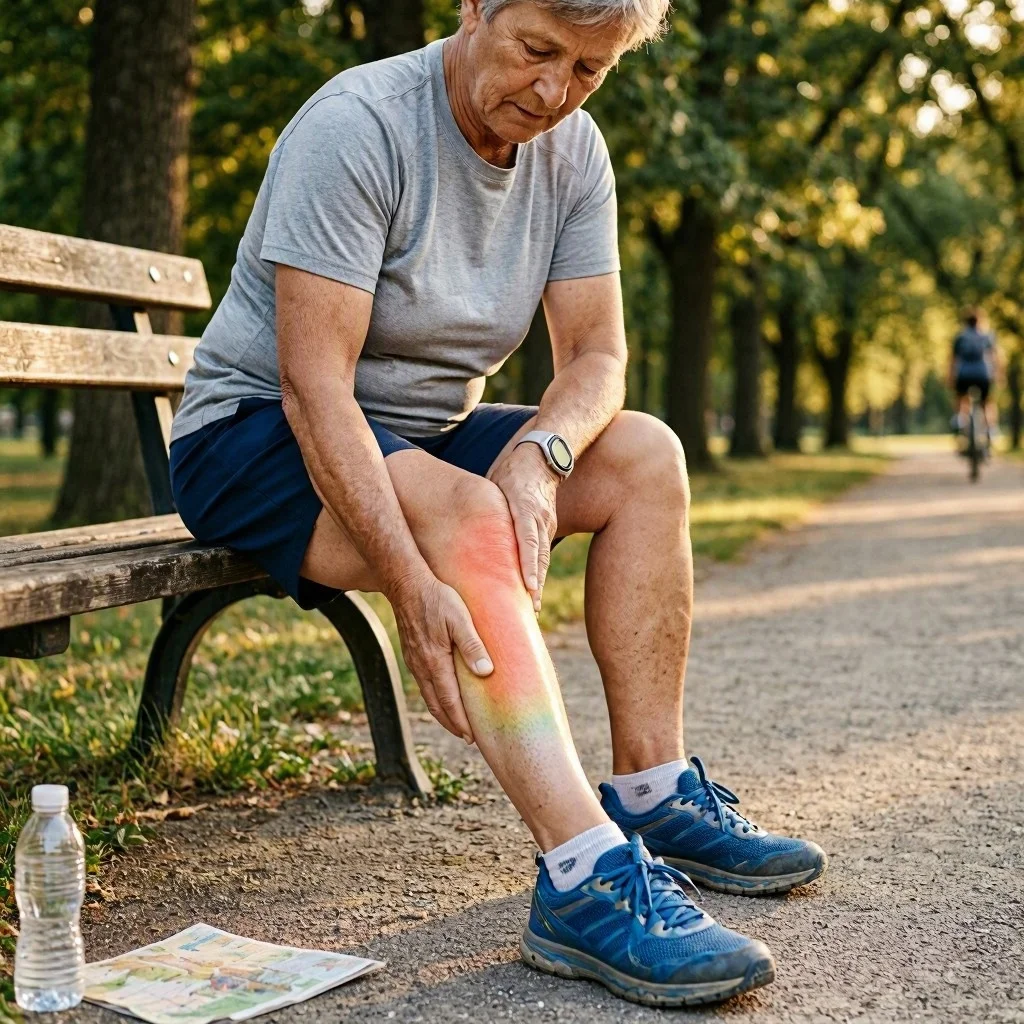
Leg pain after prolonged walking can feel different from one person to another. Some people experience muscle soreness or tightness in their calves, while others notice aching in their thighs, knees, hips, or feet. The discomfort may disappear after resting, or it may continue even after physical activity has stopped.
What causes leg pain after walking for a long time? Common explanations include muscle fatigue, overuse, unsuitable footwear, joint problems, nerve irritation, and circulation-related conditions. Understanding the location, timing, and type of pain can help identify what might be contributing to the problem.
In this article, we explore the most common causes of leg pain after prolonged walking, practical ways to relieve discomfort, helpful exercises, and situations when professional medical assessment is important.
Why Do My Legs Hurt After Walking for a Long Time?
Your legs contain several structures that work together during walking, including muscles, tendons, ligaments, bones, joints, nerves, and blood vessels.
When you walk for an extended period, these structures repeatedly absorb impact and support your body weight. If your muscles are not accustomed to prolonged activity, or if your walking technique, footwear, or physical condition places additional stress on your lower limbs, discomfort may develop.
In many cases, mild soreness after an unusually long walk is related to temporary muscle fatigue. However, recurring pain, particularly when it appears after a predictable walking distance, deserves further attention.
The following factors may explain why your legs hurt after walking.
8 Common Causes of Leg Pain After Walking
1. Muscle Fatigue and Overuse
Muscle fatigue is one of the most common reasons for leg discomfort after prolonged walking.
Your calf muscles, quadriceps, hamstrings, and gluteal muscles help control movement and support your body throughout each step. When these muscles work longer or harder than usual, they may become tired and uncomfortable.
Muscle overuse is more likely when you:
- Suddenly increase your walking distance.
- Walk for several hours without sufficient breaks.
- Start a new exercise routine.
- Walk uphill or on uneven surfaces.
- Spend most of the day sitting and then become physically active.
- Have insufficient recovery time between demanding activities.
Muscle-related discomfort often feels like a dull ache, heaviness, or tenderness. It may affect both legs, particularly after an activity that is more demanding than usual.
What can help?
Reducing activity temporarily, allowing adequate recovery, and gradually increasing walking distance may help. Gentle movement can also prevent unnecessary stiffness.

2. Peripheral Artery Disease (PAD)
Peripheral artery disease is an important cause of leg pain during walking that should not be overlooked.
PAD develops when arteries supplying blood to the legs become narrowed, commonly because of atherosclerosis. During walking, the muscles need additional oxygen-rich blood. Narrowed arteries may not deliver enough blood to meet this increased demand.
A characteristic symptom is called intermittent claudication. It causes aching, cramping, heaviness, or fatigue in the legs during physical activity. The discomfort often improves after stopping and resting for a few minutes.
Common symptoms include:
- Calf pain while walking.
- Thigh or buttock discomfort during exercise.
- Leg fatigue that repeatedly appears after a similar walking distance.
- One foot feeling colder than the other.
- Slow-healing wounds on the feet or toes.
- Changes in skin colour or reduced hair growth on the legs.
Smoking, diabetes, high blood pressure, high cholesterol, and increasing age are among the risk factors for PAD.
If your leg pain repeatedly appears during walking and improves with rest, arrange a medical assessment rather than assuming it is ordinary muscle fatigue.
Sources: NHS – Peripheral Arterial Disease and American Heart Association – PAD Symptoms.
3. Unsuitable Walking Shoes
Your footwear can influence how your feet and legs respond to prolonged walking.
Shoes that do not fit properly, provide insufficient support, or have worn-out cushioning may change the way pressure is distributed across your feet.
This can contribute to discomfort in several areas, including:
- The heels.
- The arches of the feet.
- The ankles.
- The calves.
- The knees.
For example, shoes that are too tight may create pressure around the toes and forefoot. Worn-out soles may also provide less cushioning than expected.
How can you improve footwear comfort?
Choose walking shoes that fit comfortably, provide appropriate support, and suit the surface and activity. Replace footwear when the cushioning or sole becomes excessively worn.
If pain continues despite changing your shoes, consider a professional assessment to investigate other possible causes.
4. Joint Problems and Osteoarthritis
Joint conditions can make prolonged walking uncomfortable, especially when the knees, hips, or ankles are affected.
Osteoarthritis occurs when changes in the joint structures contribute to pain, stiffness, and reduced movement. Symptoms may become more noticeable during weight-bearing activities such as walking or climbing stairs.
Common signs include:
- Knee discomfort after extended walking.
- Hip pain during or after physical activity.
- Joint stiffness following periods of inactivity.
- Reduced flexibility.
- Swelling around an affected joint.
The pain may feel different from muscle soreness. Instead of affecting the entire muscle, discomfort may be concentrated around a particular joint.
Treatment depends on the affected joint and the severity of symptoms. A healthcare professional can assess your movement and recommend suitable management strategies.
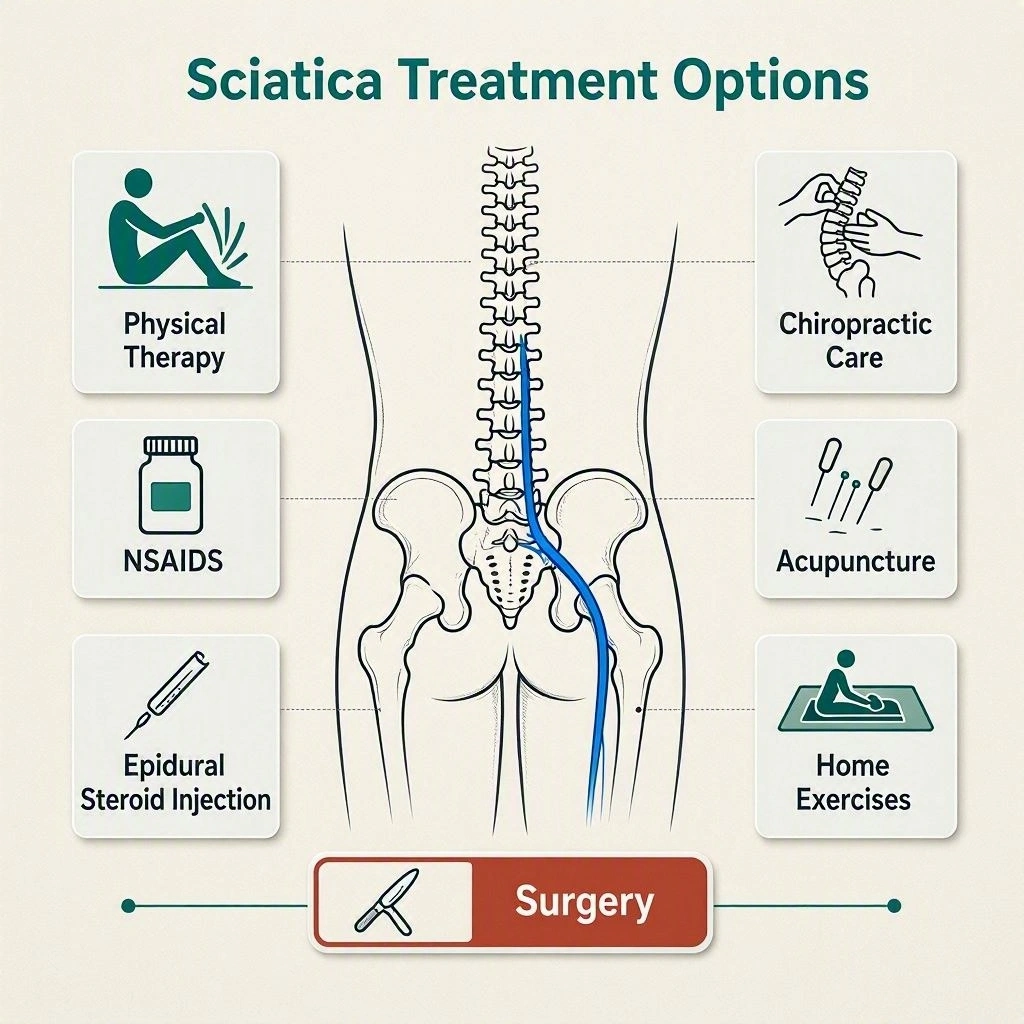
5. Nerve Compression and Sciatica
Nerve-related conditions can also cause leg pain during or after walking.
Sciatica is a term used to describe symptoms associated with irritation or compression of the sciatic nerve or its nerve roots. It commonly causes pain that travels from the lower back or buttock into one leg.
You may experience:
- Sharp or shooting pain.
- Burning sensations.
- Tingling or pins and needles.
- Numbness in the leg or foot.
- Muscle weakness.
Some people notice that standing or walking makes their symptoms worse.
Lumbar spinal stenosis is another possible cause. It involves narrowing of spaces within the lower spine, which can place pressure on nearby nerves. Symptoms may include pain, heaviness, or weakness in the buttocks and legs while standing or walking. Sitting or bending forward may provide relief in some cases.
Persistent radiating pain, numbness, or weakness should be assessed by a healthcare professional.
6. Tendon Irritation and Shin Splints
Tendons connect muscles to bones and help transfer force during movement. Repeated activity can irritate these structures, particularly when walking distance or intensity increases too quickly.
Tendon-related discomfort may develop around the Achilles tendon, ankle, or knee.
Shin splints, also known as medial tibial stress syndrome, are another possible cause of lower-leg pain associated with repetitive activity.
They often produce discomfort along the inner edge of the shinbone and may occur after increasing walking, running, or other weight-bearing exercise.
Common contributing factors include:
- Sudden increases in activity.
- Repetitive loading.
- Inadequate recovery.
- Changes in walking or running surfaces.
- Unsuitable footwear.
Pain that is very localized over a bone, worsens with weight-bearing, or persists despite rest may require assessment to rule out a stress injury.
7. Dehydration and Muscle Cramps
Muscle cramps can develop during or after prolonged physical activity.
They involve sudden, involuntary muscle contractions and commonly affect the calves and feet.
Possible contributing factors include:
- Muscle fatigue.
- Dehydration.
- Prolonged physical exertion.
- Certain medication effects.
- Electrolyte disturbances.
Drinking adequate fluids throughout the day is important, especially during hot weather or extended physical activity.
However, recurring cramps should not automatically be attributed to dehydration. If they happen frequently, are severe, or occur alongside other symptoms, consult a healthcare professional.
8. Stress Fractures and Bone Stress Injuries
A stress fracture is a small crack in a bone caused by repetitive loading over time.
It may develop when walking, running, or other physical activities increase faster than the body can adapt.
Unlike general muscle soreness, a stress injury may cause pain in a specific location. Symptoms can become worse during weight-bearing activity and may progress if the affected area continues to experience stress.
Possible warning signs include:
- Localized tenderness over a bone.
- Pain that increases with walking.
- Discomfort that returns with activity.
- Swelling around the affected area.
If a stress fracture is suspected, stop activities that provoke the pain and seek medical assessment. Continuing to exercise through a possible bone injury can make recovery more difficult.
Where Do You Feel Leg Pain After Walking?
The location of your discomfort can provide useful clues about the structures involved. However, pain location alone cannot confirm a diagnosis.
| Pain location | Possible contributing causes | Common characteristics |
|---|---|---|
| Calf muscles | Muscle fatigue, PAD, cramps | Tightness, aching, or cramping |
| Front of the lower leg | Shin splints, stress injury | Pain along the shin |
| Back of the leg | Hamstring problems, nerve irritation | Pulling or radiating discomfort |
| Knee | Osteoarthritis, tendon irritation | Pain during weight-bearing |
| Hip and buttock | Hip joint problems, spinal conditions | Aching or pain during walking |
| Foot and heel | Plantar fascia irritation, footwear issues | Heel or arch discomfort |
| Entire leg | Circulation or nerve-related conditions | Heaviness, fatigue, or radiating pain |
If the pain is persistent, recurring, or associated with weakness, swelling, or changes in skin temperature, a healthcare professional should assess it.
How Can You Relieve Leg Pain After Walking?
The best way to manage leg pain depends on its underlying cause. Mild discomfort following an unusually long walk may improve with simple recovery strategies, while recurring symptoms may require specific treatment.
1. Allow Your Muscles to Recover
If your discomfort appears to be related to muscle fatigue, reduce demanding activities temporarily.
You do not necessarily need complete bed rest. Gentle movement, when comfortable, may help maintain mobility.
Avoid immediately repeating the same long walk if your muscles remain sore.
2. Apply Heat or Cold When Appropriate
Heat and cold may provide temporary comfort for some types of muscle or joint discomfort.
- A cold pack wrapped in a towel may help with recent activity-related swelling.
- Gentle heat may help relieve muscle tightness or stiffness.
Avoid applying ice or heat directly to your skin. Do not use these treatments on areas with reduced sensation or suspected circulation problems without professional advice.
3. Wear Comfortable Walking Shoes
Appropriate footwear can reduce unnecessary pressure on your feet and improve walking comfort.
Look for shoes that:
- Fit properly around the toes.
- Provide suitable cushioning.
- Feel stable when walking.
- Match your usual walking environment.
- Are not excessively worn.
If you have recurring foot pain, a podiatrist or other qualified professional can help assess your footwear needs.
4. Increase Walking Distance Gradually
One common mistake is increasing walking activity too quickly.
If you usually walk for 15 minutes, suddenly walking for an hour may place more stress on your muscles and joints than they are accustomed to handling.
Instead, increase your activity gradually and allow enough recovery time between longer sessions.
5. Stay Hydrated
Drink fluids regularly throughout the day.
During extended walks, particularly in warm conditions, pay attention to fluid intake and signs of dehydration.
People with medical conditions that require fluid restrictions should follow their healthcare professional’s advice.
6. Avoid Walking Through Persistent Pain
Mild muscle tiredness may improve with recovery, but persistent or worsening pain should not be ignored.
If walking consistently triggers discomfort, reduce the activity that provokes it and arrange an assessment to understand the cause.
This is particularly important when the pain occurs at a predictable distance or improves after a short period of rest, as this pattern can occur with circulation problems.
Gentle Exercises That May Help With Leg Comfort
When a healthcare professional has ruled out conditions requiring specific treatment, appropriate exercises may help improve strength, flexibility, and walking tolerance.
Start gently and avoid movements that increase pain.
1. Calf Stretch
This stretch targets the muscles at the back of your lower legs.
How to perform it:
- Stand facing a wall.
- Place both hands against the wall for support.
- Move one foot behind the other.
- Keep your back heel on the floor.
- Gently bend your front knee.
- Hold the position for approximately 15–20 seconds.
- Switch legs.
Repeat gently on each side if comfortable.
2. Seated Knee Extensions
This exercise activates the quadriceps muscles at the front of your thighs.
How to perform it:
- Sit upright on a stable chair.
- Keep both feet flat on the floor.
- Slowly straighten one knee.
- Hold briefly without forcing the movement.
- Lower your foot gradually.
- Repeat with the opposite leg.
Perform 8–10 repetitions on each side if comfortable.
3. Ankle Pumps
Ankle pumps encourage gentle movement through the ankles and may help maintain mobility.
How to perform it:
- Sit comfortably with your legs supported.
- Point your toes away from your body.
- Slowly bring your toes back toward your shin.
- Repeat the movement at a comfortable pace.
Try 10–15 repetitions.
4. Gentle Walking Progression
If your symptoms have been assessed and walking is appropriate, a gradual walking routine may help improve general fitness.
Start with a comfortable duration and pace. Increase the distance only when your body tolerates the current level of activity.
Important: These exercises are not a treatment for every cause of leg pain. If you have unexplained pain during walking, suspected PAD, a possible stress fracture, significant swelling, or new neurological symptoms, obtain medical advice before starting an exercise programme.
How Can Physiotherapy Help With Leg Pain After Walking?
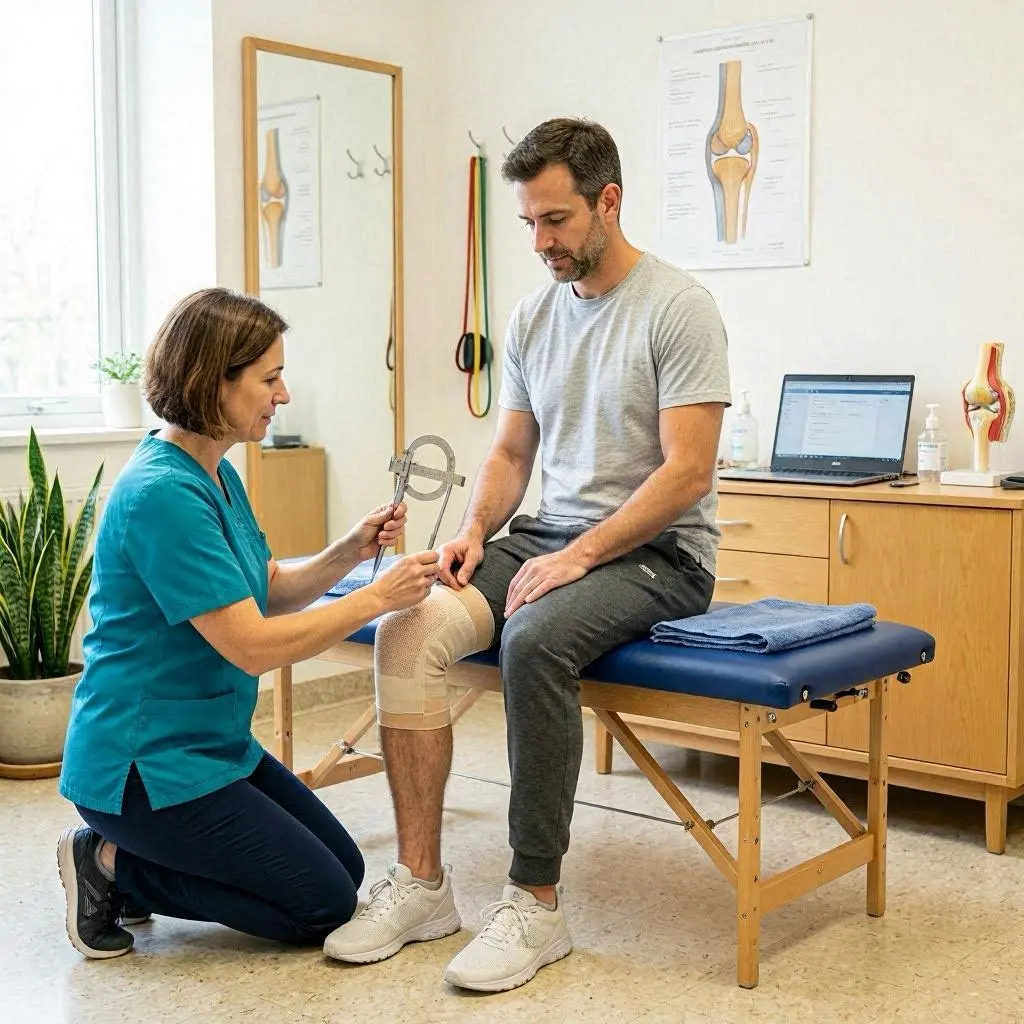
Physiotherapy may help people whose leg discomfort is related to muscle weakness, movement limitations, joint problems, or certain musculoskeletal conditions.
A physiotherapist can assess how your body moves during walking and identify factors that may contribute to discomfort.
An assessment may include:
- Reviewing your symptoms and activity history.
- Checking lower-limb strength.
- Assessing joint mobility.
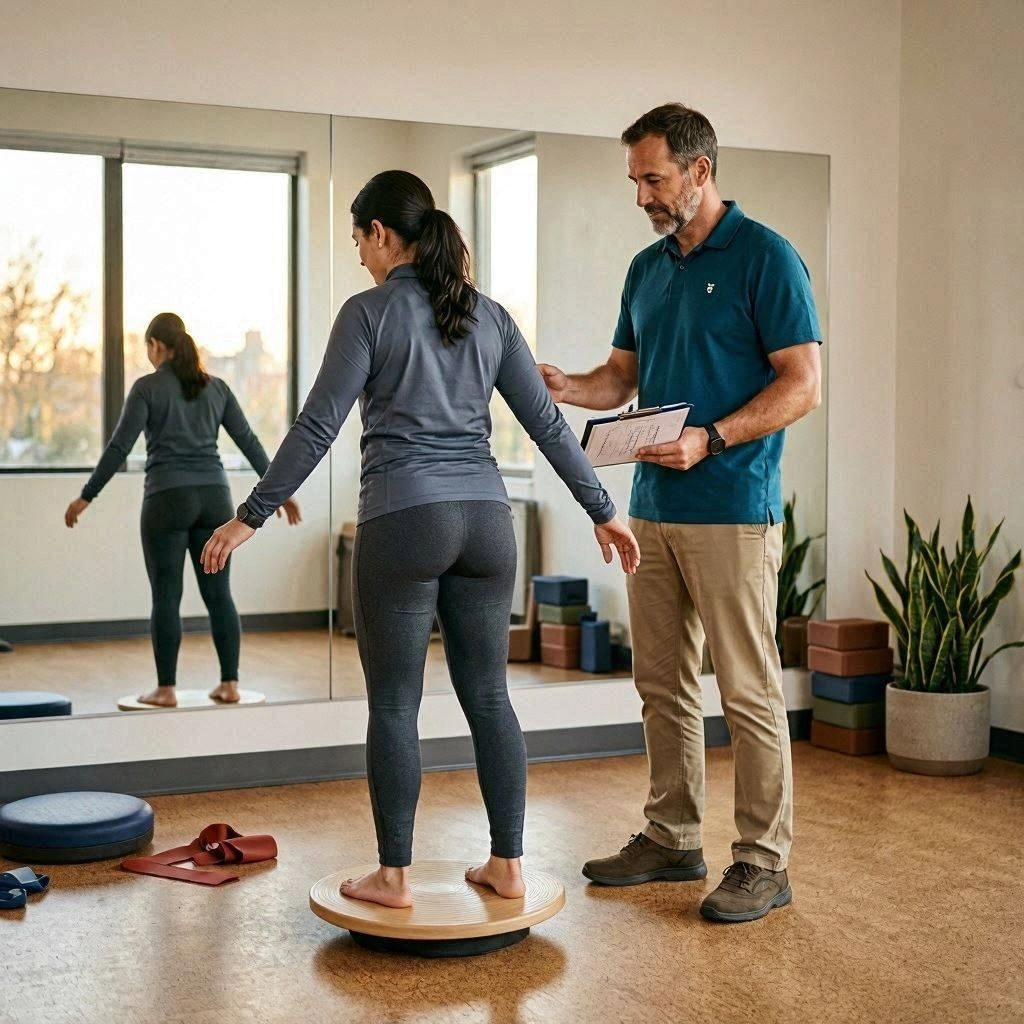
- Evaluating balance and movement control.
- Observing your walking pattern.
- Identifying muscle tightness or movement limitations.
Depending on the findings, a physiotherapy programme may include:
Strengthening exercises: Targeting muscles that support the hips, knees, ankles, and feet.
Flexibility exercises: Improving comfortable movement where muscle tightness contributes to symptoms.
Gait training: Helping improve walking mechanics and movement control.
Activity modification: Adjusting walking distance, intensity, and recovery periods.
Education: Explaining how to manage activity and reduce unnecessary strain.
At Ritz Clinic, you can learn more about available treatment options through the physiotherapy services page.
One important distinction is that physiotherapy should not replace medical assessment when symptoms suggest a vascular, neurological, or other serious condition. For example, suspected peripheral artery disease requires appropriate medical evaluation before an exercise plan is selected.
When Should You See a Doctor for Leg Pain After Walking?
Occasional muscle soreness after an unusually long walk may improve with recovery. However, recurring or unexplained leg pain should not automatically be considered normal.
Arrange a medical assessment if:
- Your legs hurt during most long walks.
- Pain repeatedly appears after a similar walking distance.
- Symptoms are becoming more frequent or severe.
- You experience persistent numbness or tingling.
- One leg becomes swollen or unusually tender.
- Pain continues despite reducing activity.
- You notice wounds that heal slowly on your feet.
- Your walking ability is gradually decreasing.
Warning Signs That Need Urgent Medical Attention
Some symptoms require immediate medical attention.
Seek emergency help if you experience:
- Sudden severe leg pain accompanied by a cold, pale, numb, or weak foot.
- New leg weakness or numbness accompanied by loss of bladder or bowel control or numbness around the groin.
- Leg pain or swelling accompanied by chest pain, sudden breathlessness, or coughing up blood.
A new one-sided swollen, warm, red, or painful leg may indicate deep vein thrombosis (DVT) and needs urgent medical assessment, even without chest symptoms.
Do not attempt to massage or exercise a leg when a blood clot is suspected.
How Can You Prevent Leg Pain After Long Walks?
Although not every cause of leg pain can be prevented, healthy habits may reduce the likelihood of activity-related discomfort.
Start With a Comfortable Walking Routine
Avoid suddenly increasing your walking distance. Begin with a manageable duration and gradually build up your activity.
Warm Up Before Longer Walks
A few minutes of gentle walking and comfortable ankle and leg movements can prepare your body for activity.
Choose Suitable Footwear
Wear comfortable shoes that fit properly and provide appropriate support for your walking environment.
Strengthen Your Lower-Body Muscles
Maintaining strength in the calves, quadriceps, hamstrings, and gluteal muscles can support everyday movement.
Take Breaks During Extended Walks
If you are walking for several hours, consider taking regular breaks when appropriate. This may reduce fatigue and make prolonged activity more comfortable.
Maintain General Cardiovascular Health
Regular physical activity, avoiding tobacco, and managing blood pressure, cholesterol, and diabetes can support vascular health.
If you have risk factors for peripheral artery disease or recurring pain while walking, speak with a healthcare professional about appropriate screening and activity recommendations.
Frequently Asked Questions About Leg Pain After Walking
1. Why do my legs hurt after walking for a long time?
Leg pain after prolonged walking can result from muscle fatigue, overuse, unsuitable footwear, joint conditions, tendon irritation, nerve compression, or circulation problems. The location, timing, and severity of the discomfort can help guide further assessment.
2. Is leg pain after walking normal?
Mild muscle soreness after an unusually long walk can be a normal response to increased activity. However, recurring pain, worsening symptoms, or discomfort that appears after a predictable walking distance should be assessed by a healthcare professional.
3. Why do my calves hurt after walking for a long time?
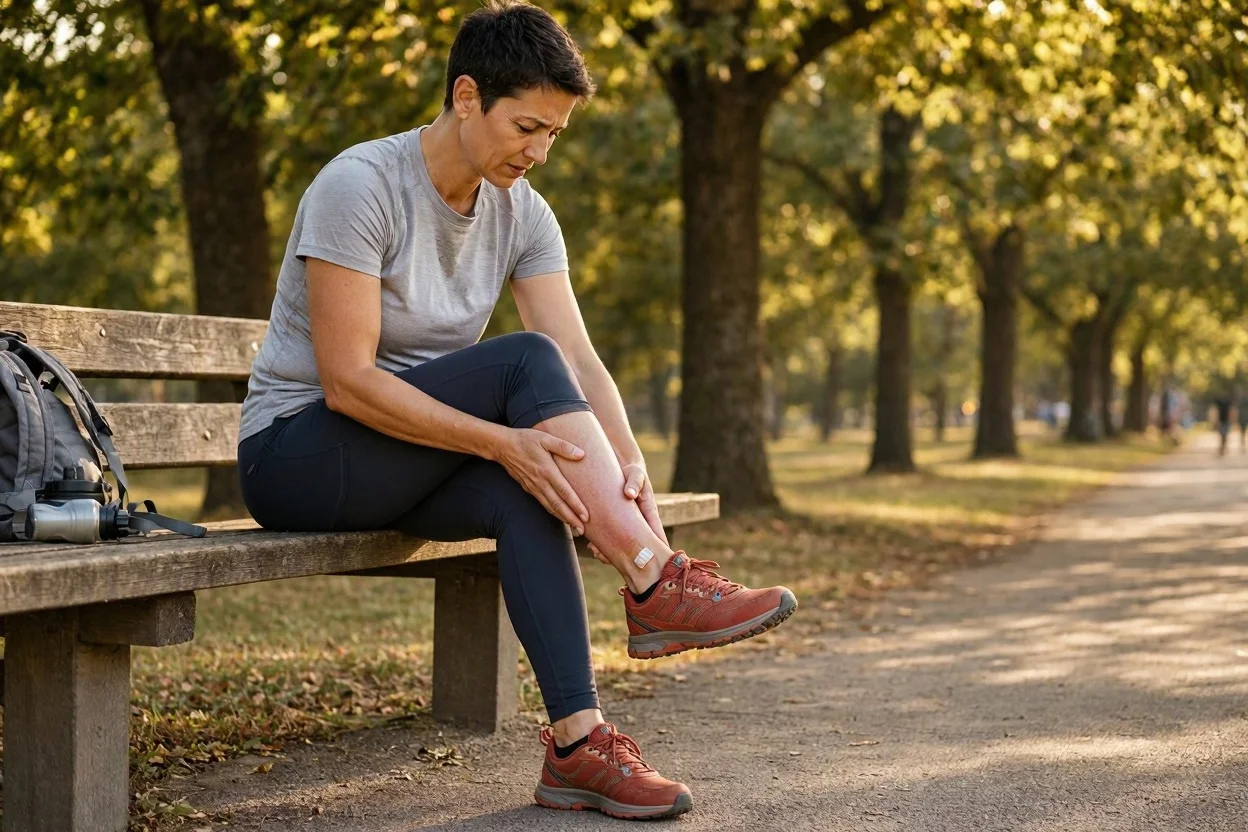
Calf pain may be related to muscle fatigue, cramps, tendon problems, or peripheral artery disease. If the pain repeatedly develops during walking and improves after a few minutes of rest, circulation problems should be considered.
4. Why do my legs feel heavy after walking?
Leg heaviness may develop because of muscle fatigue, prolonged physical activity, venous problems, or circulation-related conditions. Persistent heaviness, particularly when accompanied by swelling or skin changes, deserves medical assessment.
5. Can dehydration cause leg pain after walking?
Dehydration may contribute to muscle cramps, particularly during prolonged activity or hot weather. However, not all leg pain is caused by dehydration. Recurring symptoms may have another underlying explanation.
6. Should I keep walking if my legs hurt?
It depends on the cause and severity of the pain. Mild muscle tiredness may improve with a slower pace or recovery. However, do not push through recurring, severe, or unexplained pain. Pain that repeatedly develops with walking and improves with rest should be medically assessed.
7. Can physiotherapy help with leg pain after walking?
Physiotherapy may help when pain is related to muscle weakness, joint mobility, movement patterns, or certain musculoskeletal conditions. A physiotherapist can assess your movement and develop an appropriate exercise programme. Circulation-related or other serious causes require medical evaluation.
8. Why do my legs hurt after walking even when I exercise regularly?
Regular exercise does not rule out muscle overuse, footwear problems, joint conditions, nerve irritation, or circulation problems. Changes in walking distance, intensity, terrain, and recovery can also contribute to discomfort.
9. Does walking uphill cause more leg pain?
Walking uphill increases the workload on the muscles of your lower body. This may lead to earlier muscle fatigue. However, pain that repeatedly occurs during uphill walking and improves with rest can also be associated with peripheral artery disease.
10. How long should leg pain last after a long walk?
There is no single recovery time because it depends on the underlying cause. Mild activity-related soreness may improve over the following days. Severe, persistent, worsening, or recurring pain should be assessed rather than waiting for it to disappear.
Conclusion
Leg pain after walking for a long time can have several causes, ranging from temporary muscle fatigue and unsuitable footwear to joint conditions, nerve irritation, and circulation problems.
Understanding when the pain starts, where it occurs, and whether it improves with rest can provide useful information about its possible source. While gradual activity increases, suitable footwear, and appropriate recovery may help with ordinary activity-related soreness, recurring pain should not be ignored.
If your discomfort continues, limits your walking ability, or appears after a predictable distance, seek professional assessment to identify the underlying cause. Once the cause is understood, an appropriate treatment plan can help improve comfort, mobility, and confidence during everyday activities.
Summary Table: Leg Pain After Walking for a Long Time
| Key point | What you should know |
|---|---|
| Common causes | Muscle fatigue, overuse, footwear, and joint problems |
| Circulation-related cause | Peripheral artery disease may cause pain during walking that improves with rest |
| Nerve-related cause | Sciatica and spinal stenosis can contribute to radiating leg pain |
| Helpful strategies | Activity modification, suitable footwear, and appropriate recovery |
| Exercises | Gentle calf stretches, knee extensions, and ankle pumps when appropriate |
| Physiotherapy | May improve strength, mobility, and walking mechanics for suitable conditions |
| When to seek help | Recurring, worsening, unexplained, or activity-limiting pain |
| Emergency symptoms | Sudden cold or pale leg, new severe weakness, or symptoms of a possible blood clot with chest symptoms |