
Chiropractic Lifestyle: Building Healthy Habits for Better Spine Health and Overall Wellness
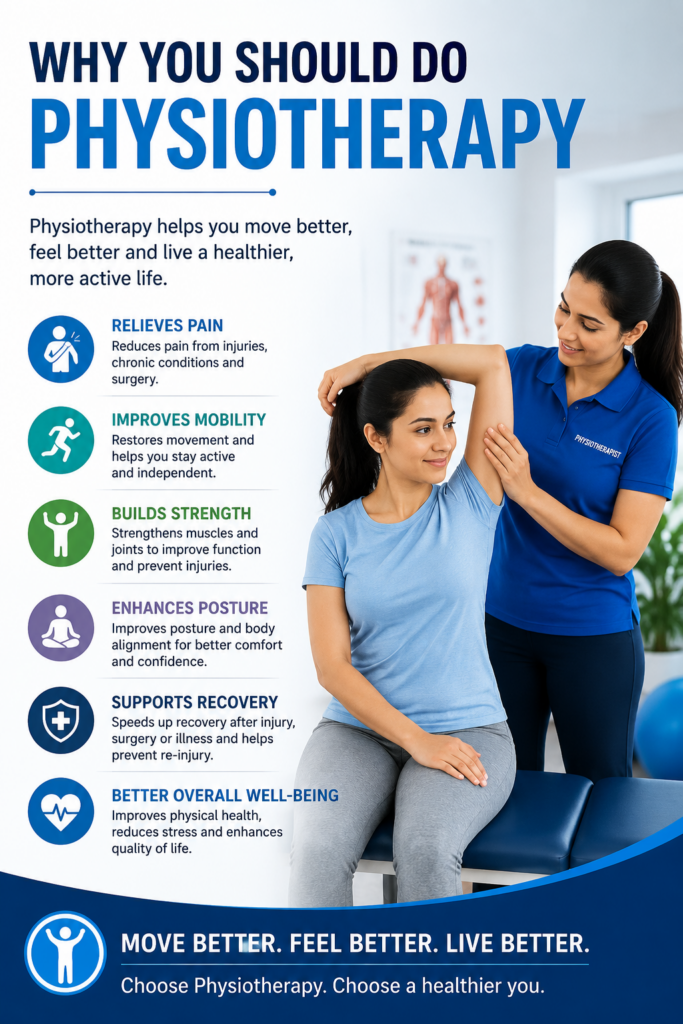
A healthy lifestyle involves more than eating nutritious foods and exercising regularly. It also includes taking care of your spine, joints, muscles, and nervous system. Since the spine supports your body’s movement and protects the spinal cord, maintaining spinal health is essential for overall well-being. Adopting a chiropractic lifestyle can help improve posture, reduce pain, enhance mobility, and encourage healthy movement habits that support long-term physical health.
Rather than focusing only on treating pain after it develops, a chiropractic lifestyle emphasizes prevention. By combining regular chiropractic care with exercise, proper posture, balanced nutrition, stress management, and other healthy habits, individuals can reduce their risk of injuries while improving their quality of life. As a result, many people experience greater comfort, increased flexibility, and improved physical performance.
What Is a Chiropractic Lifestyle?
A chiropractic lifestyle is an approach to health that focuses on maintaining proper spinal function, healthy movement, and overall musculoskeletal wellness. It combines professional chiropractic care with everyday habits that support the body’s natural ability to function efficiently.
Instead of waiting for pain or stiffness to appear, this lifestyle encourages proactive care through regular movement, good posture, ergonomic practices, and healthy daily routines. Consequently, individuals often enjoy better mobility and fewer musculoskeletal problems over time.
A chiropractic lifestyle may include:
-
Regular chiropractic checkups
-
Good posture habits
-
Daily physical activity
-
Flexibility and stretching exercises
-
Strength training
-
Healthy nutrition
-
Proper hydration
-
Quality sleep
-
Stress management
-
Injury prevention strategies
Together, these habits create a strong foundation for lifelong health and wellness.
Benefits of Following a Chiropractic Lifestyle
Better Spinal Health
The spine plays a vital role in supporting the body and allowing smooth movement. Maintaining spinal mobility helps reduce stiffness while promoting better posture and overall function.
Improved Posture
Poor posture has become increasingly common because many people spend hours sitting at desks, using computers, or looking at smartphones. Over time, these habits place additional stress on the neck, shoulders, and lower back. Therefore, practicing proper posture can significantly reduce discomfort and improve body alignment.
Increased Mobility
Healthy joints and flexible muscles allow the body to move more efficiently. Consequently, individuals who maintain an active lifestyle often enjoy better balance, flexibility, and coordination.
Natural Pain Management (Chiropractic Lifestyle)
Regular chiropractic care and healthy movement habits may help reduce back pain, neck pain, joint stiffness, and muscle tension without relying solely on medication.
Injury Prevention
Strong muscles, healthy joints, and proper movement patterns reduce unnecessary stress on the body. As a result, the risk of sports injuries, workplace injuries, and everyday strains may decrease.
Enhanced Quality of Life
When the body moves comfortably, daily tasks become easier to perform. In addition, many people experience improved energy levels, greater confidence, and increased participation in recreational activities.
The Importance of Regular Chiropractic Care
Professional chiropractic care is an important part of a chiropractic lifestyle. During routine visits, chiropractors assess spinal movement, posture, joint function, and muscle balance.
When appropriate, treatment may include:
-
Chiropractic adjustments
-
Joint mobilization
-
Soft tissue therapy
-
Therapeutic exercises
-
Postural education
-
Lifestyle recommendations
Furthermore, regular assessments allow potential movement problems to be identified before they develop into more significant conditions.
Staying Physically Active
Exercise is one of the most valuable components of a chiropractic lifestyle. Regular physical activity strengthens muscles, improves cardiovascular health, and enhances flexibility.
Some beneficial forms of exercise include:
Walking
Walking is a simple, low-impact activity that promotes healthy circulation while supporting joint mobility.
Strength Training
Strengthening the muscles surrounding the spine provides additional support and improves stability during everyday activities.
Flexibility Exercises
Stretching regularly reduces muscle tightness while improving joint range of motion. Consequently, movement becomes more comfortable and efficient.
Balance Training (Chiropractic Lifestyle)
Balance exercises improve coordination and reduce the likelihood of falls, particularly in older adults.
Low-Impact Activities
Swimming, cycling, yoga, and Pilates are excellent options for improving flexibility and strength while placing minimal stress on the joints.
Maintaining Good Posture
Posture influences the way your body functions throughout the day. Poor posture places additional strain on muscles, ligaments, and joints.
To improve posture:
-
Sit with both feet flat on the floor.
-
Keep your shoulders relaxed.
-
Position computer screens at eye level.
-
Avoid looking down at mobile devices for extended periods.
-
Stand evenly on both feet.
-
Use supportive seating whenever possible.
-
Take regular movement breaks.
Small adjustments made consistently can significantly improve spinal health over time.
Nutrition and Hydration
Healthy nutrition supports muscles, bones, joints, and connective tissues. A balanced diet provides the nutrients necessary for tissue repair and overall wellness.
A healthy eating plan should include:
-
Fruits and vegetables
-
Lean protein
-
Whole grains
-
Healthy fats
-
Dairy or calcium-rich alternatives
-
Foods rich in vitamins and minerals
Likewise, proper hydration supports muscle function, joint lubrication, and recovery following physical activity.
Quality Sleep for Recovery (Chiropractic Lifestyle)
Sleep allows the body to recover from daily physical stress. During sleep, muscles repair themselves, tissues heal, and energy levels are restored.
To improve sleep quality:
-
Maintain a consistent bedtime.
-
Use a supportive mattress and pillow.
-
Avoid excessive screen time before bed.
-
Keep your bedroom cool and quiet.
-
Practice relaxation techniques if needed.
Good sleep habits complement chiropractic care and support long-term recovery.
Managing Stress
Stress affects both mental and physical health. In many cases, emotional stress contributes to muscle tension, particularly in the neck, shoulders, and back.
Healthy stress-management strategies include:
-
Deep breathing exercises
-
Meditation
-
Regular physical activity
-
Spending time outdoors
-
Practicing mindfulness
-
Engaging in enjoyable hobbies
-
Maintaining social connections
Managing stress effectively supports healthier muscles and improves overall well-being.
Creating an Ergonomic Environment (Chiropractic Lifestyle)
Many musculoskeletal problems develop because of poor workplace ergonomics. Fortunately, simple adjustments can reduce strain during daily activities.
Consider these ergonomic tips:
-
Adjust your chair to support your lower back.
-
Position your monitor at eye level.
-
Keep your keyboard and mouse within easy reach.
-
Avoid prolonged sitting without breaks.
-
Lift objects using your legs rather than your back.
-
Change positions frequently throughout the day.
These modifications reduce stress on the spine and encourage healthier movement patterns.
When Should You See a Chiropractor?
Although prevention is a key part of a chiropractic lifestyle, professional evaluation is recommended if you experience:
-
Persistent back pain
-
Neck stiffness
-
Frequent headaches
-
Reduced flexibility
-
Joint discomfort
-
Poor posture
-
Sports injuries
-
Muscle tension affecting daily activities
Early assessment often allows conservative treatment before symptoms become more severe.
Building Healthy Habits for Life (Chiropractic Lifestyle)
Adopting a chiropractic lifestyle does not require drastic changes overnight. Instead, small, consistent improvements often produce the greatest long-term benefits.
Start by incorporating simple habits such as:
-
Walking every day.
-
Stretching regularly.
-
Maintaining proper posture.
-
Drinking enough water.
-
Sleeping well.
-
Exercising consistently.
-
Managing stress.
-
Attending regular chiropractic checkups.
-
Following professional recommendations.
Over time, these healthy habits become part of your daily routine and contribute to lasting wellness.
Conclusion (Chiropractic Lifestyle)
A chiropractic lifestyle is about more than receiving occasional treatment for pain. It is a proactive approach to maintaining spinal health, improving mobility, preventing injuries, and supporting overall wellness. By combining regular chiropractic care with exercise, posture improvement, balanced nutrition, stress management, quality sleep, and healthy daily habits, individuals can enjoy better movement, greater comfort, and improved quality of life.
Whether your goal is to prevent future injuries, recover from a musculoskeletal condition, or simply maintain an active lifestyle, embracing a chiropractic lifestyle can help you achieve long-term physical health. With consistency, professional guidance, and a commitment to healthy habits, you can support your spine, improve your mobility, and enjoy a healthier future.