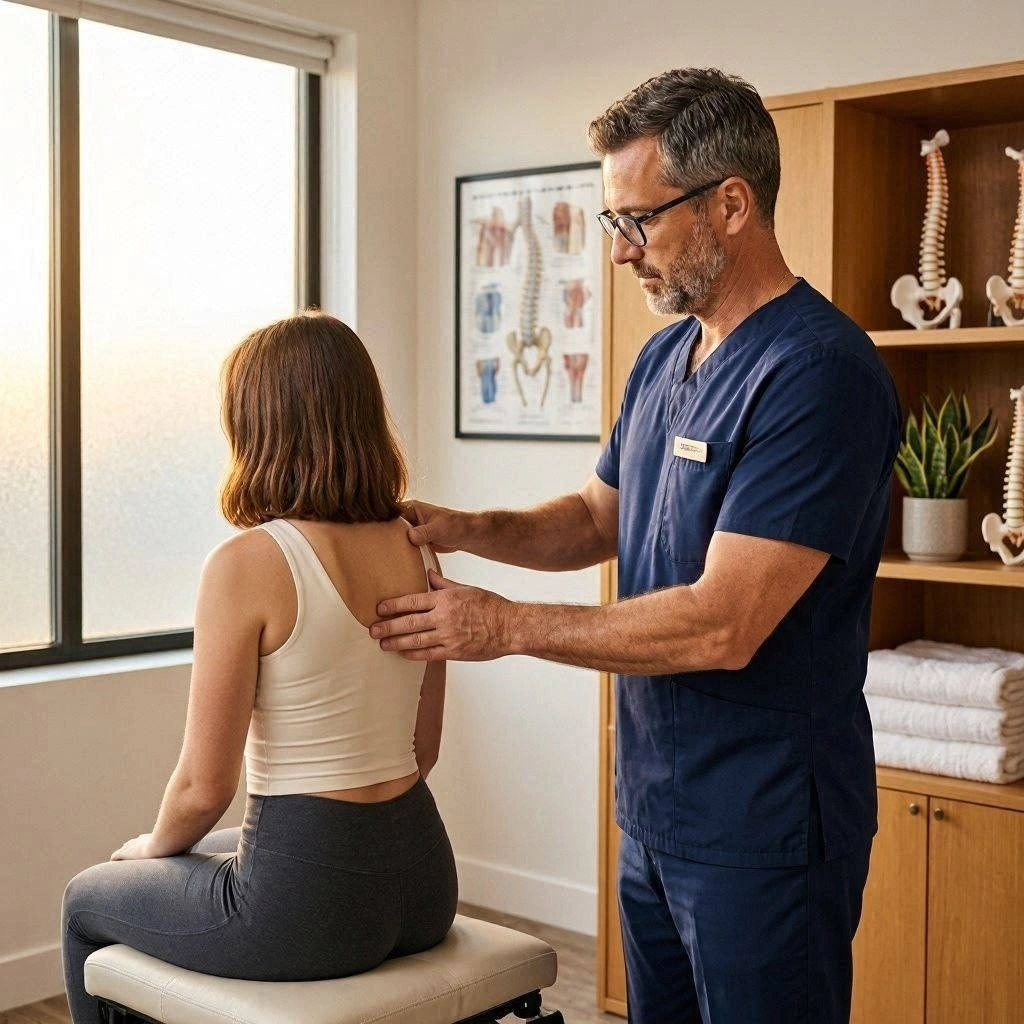
Scoliosis Chiropractor: A Complete Guide to Managing Scoliosis and Supporting Spinal Health
Scoliosis is a condition that causes the spine to curve sideways rather than maintaining its typical straight alignment when viewed from behind. While mild cases may produce few noticeable symptoms, more significant spinal curves can lead to back pain, muscle fatigue, uneven posture, reduced flexibility, and difficulty performing certain daily activities. Although chiropractic care cannot permanently correct structural scoliosis, a scoliosis chiropractor can play an important role in helping patients manage symptoms, improve mobility, and support overall spinal function.
A scoliosis chiropractor uses a personalized, conservative approach that combines chiropractic care, rehabilitation exercises, posture education, and lifestyle recommendations. The primary goal is to reduce discomfort, improve movement, strengthen supporting muscles, and help patients maintain the best possible quality of life.
What Is Scoliosis?
Scoliosis is an abnormal sideways curvature of the spine. Instead of appearing straight from the back, the spine develops a “C” or “S” shaped curve. The condition can affect children, teenagers, and adults.
Some cases develop during adolescence without a clearly identifiable cause, while others occur because of congenital conditions, neuromuscular disorders, degenerative spinal changes, or previous injuries.
The severity of scoliosis varies widely. Some individuals have very small curves that require only periodic observation, while others may need bracing, rehabilitation, or surgical evaluation depending on the degree of curvature and progression.
Common Symptoms of Scoliosis (Scoliosis Chiropractor)
Not everyone with scoliosis experiences pain. However, many patients develop symptoms as the condition affects posture and spinal mechanics.
Common symptoms include:
-
Uneven shoulders
-
One hip appearing higher than the other
-
Uneven waistline
-
Back pain
-
Muscle tightness
-
Reduced flexibility
-
Fatigue after standing
-
Limited spinal movement
-
Difficulty maintaining posture
-
Muscle imbalance
Adults with degenerative scoliosis may experience additional stiffness and discomfort because of age-related spinal changes.
What Causes Scoliosis?
Several different factors may contribute to scoliosis.
Idiopathic Scoliosis
This is the most common type, particularly among adolescents. The exact cause remains unknown.
Congenital Scoliosis
Some children are born with spinal bones that develop abnormally before birth.
Neuromuscular Scoliosis
Certain neurological or muscular conditions may contribute to spinal curvature.
Degenerative Scoliosis (Scoliosis Chiropractor)
Older adults may develop scoliosis because of arthritis, disc degeneration, or spinal wear and tear.
Functional Scoliosis
Temporary spinal curvature may result from muscle spasms, leg length differences, or other mechanical problems that alter posture.
How a Scoliosis Chiropractor Evaluates Your Condition
Before recommending treatment, a chiropractor performs a comprehensive assessment.
The examination may include:
-
Medical history review
-
Discussion of symptoms
-
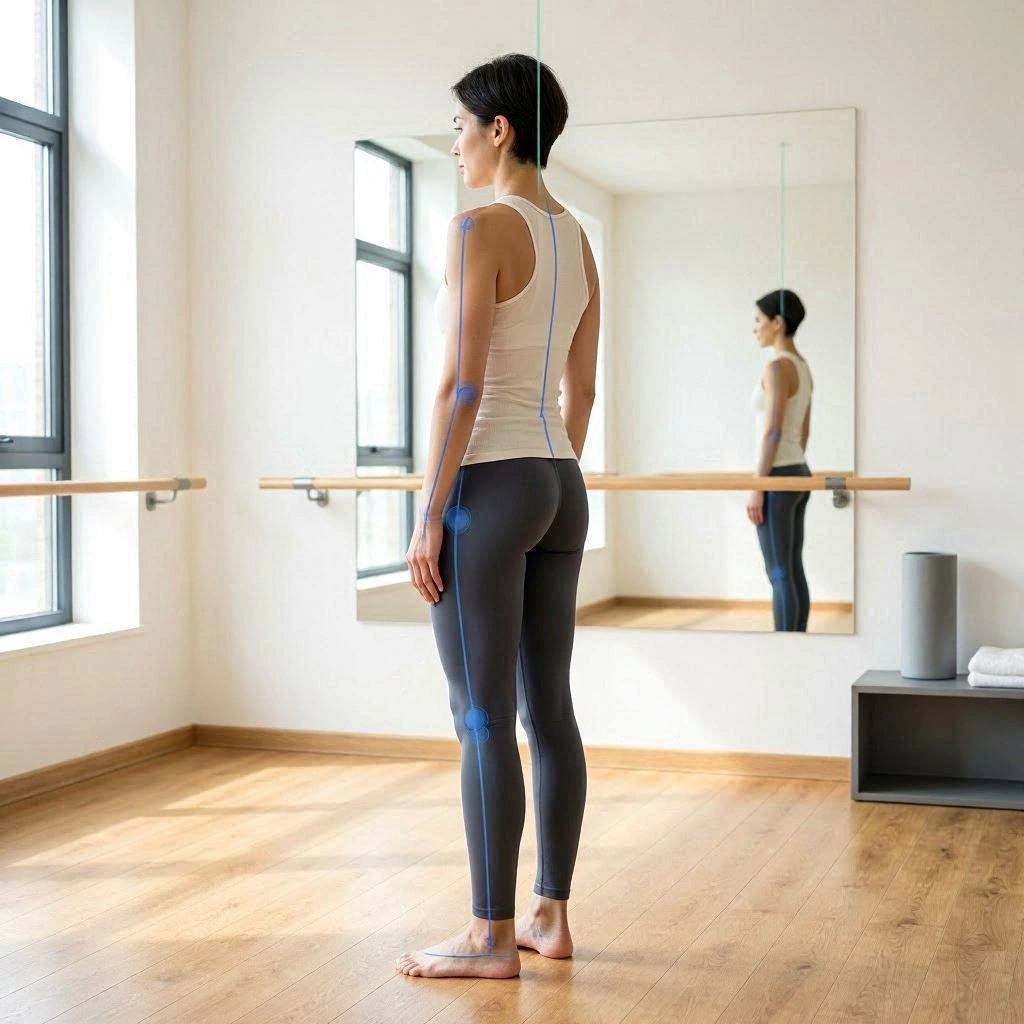
Posture assessment
-
Spinal mobility evaluation
-
Muscle strength testing
-
Flexibility assessment
-
Functional movement analysis
-
Neurological examination
-
Review of spinal X-rays or other imaging when available
This evaluation helps determine the most appropriate conservative treatment plan and identifies situations where referral to another healthcare professional is necessary.
Can Chiropractic Care Cure Scoliosis?
One of the most common questions patients ask is whether chiropractic care can cure scoliosis.
The answer is no. Chiropractic treatment does not permanently straighten a structural scoliosis curve or replace medical management when bracing or surgery is indicated.
However, chiropractic care may help:
-
Improve spinal mobility
-
Reduce muscle tension
-
Improve posture
-
Decrease back discomfort
-
Improve flexibility
-
Support functional movement
-
Enhance overall quality of life
Treatment goals focus on symptom management and functional improvement rather than eliminating the spinal curve.
Chiropractic Treatment Options
A scoliosis chiropractor may recommend several conservative treatment techniques.
Chiropractic Adjustments
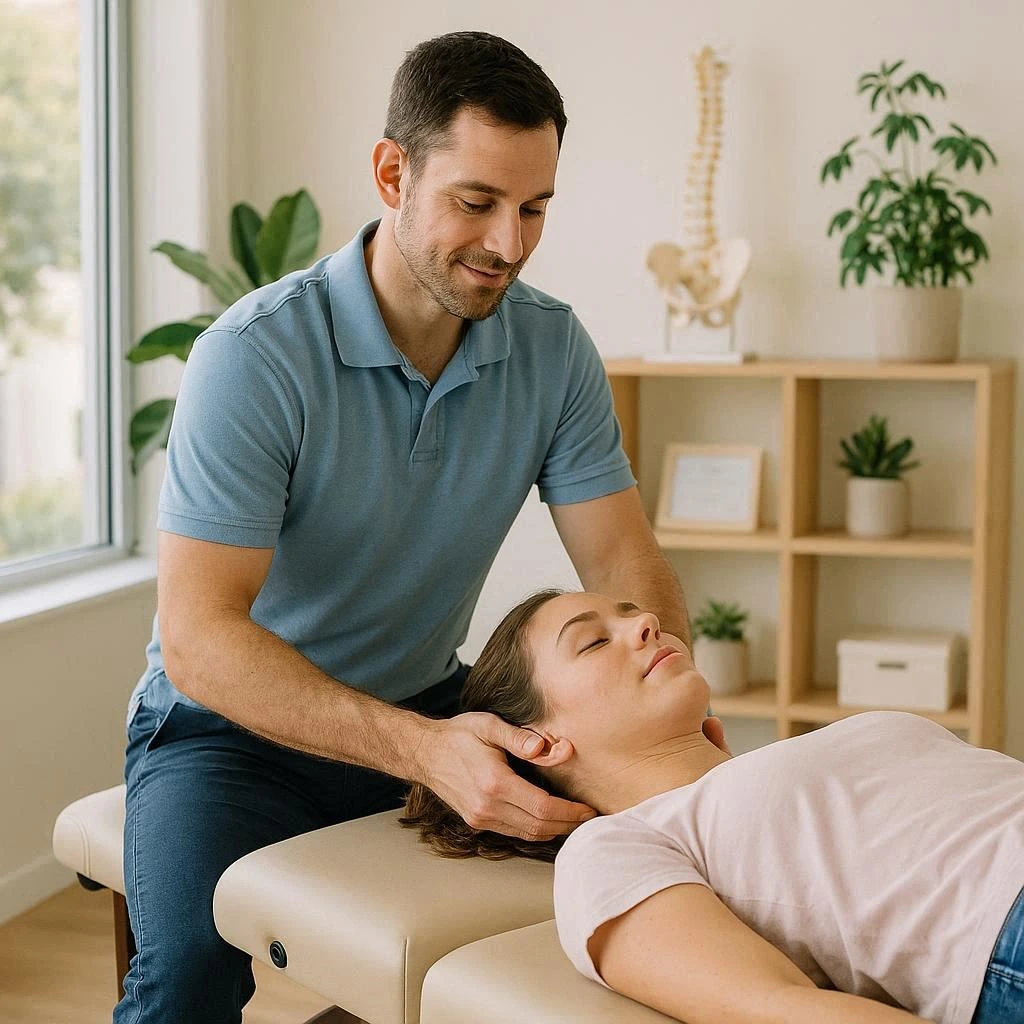
Gentle adjustments may improve movement in spinal joints that have become restricted. Restoring mobility can reduce stiffness and improve overall function.
Soft Tissue Therapy
Manual therapy helps relax tight muscles while improving circulation and tissue mobility.
Stretching Programs
Individualized stretching routines improve flexibility and reduce muscular tightness around the spine.
Therapeutic Exercises (Scoliosis Chiropractor)
Strengthening weak muscles while improving coordination supports better posture and spinal stability.
Posture Education
Learning healthy sitting, standing, and lifting techniques helps reduce unnecessary stress on the spine.
Exercises That Support Scoliosis Management
Exercise is one of the most valuable components of conservative scoliosis care.
Programs may include:
Core Strengthening
Strong abdominal and back muscles help stabilize the spine.
Flexibility Training
Stretching improves movement while reducing stiffness.
Balance Exercises
Better balance improves body awareness and movement control.
Breathing Exercises (Scoliosis Chiropractor)
Some individuals benefit from breathing exercises that encourage improved rib cage mobility and posture.
Functional Movement Training
Exercises that mimic daily activities improve overall physical function.
Every exercise program should be tailored to the individual’s spinal curve, physical abilities, and overall health.
Lifestyle Habits That Support Spinal Health
Healthy daily habits can complement professional treatment.
Helpful recommendations include:
-
Maintain good posture.
-
Stay physically active.
-
Stretch regularly.
-
Strengthen your core muscles.
-
Sleep on a supportive mattress.
-
Maintain a healthy body weight.
-
Use ergonomic workstations.
-
Lift heavy objects correctly.
-
Stay hydrated.
-
Follow your rehabilitation program consistently.
These habits help reduce unnecessary stress on the spine while supporting long-term function.
Children and Adolescents with Scoliosis
Many scoliosis cases are identified during adolescence when rapid growth occurs.
Parents should seek medical evaluation if they notice:
-
Uneven shoulders
-
Uneven hips
-
Leaning to one side
-
Clothing fitting unevenly
-
A visible spinal curve
Early diagnosis allows healthcare providers to monitor spinal growth and recommend appropriate treatment when necessary.
Adults Living with Scoliosis (Scoliosis Chiropractor)
Adults often seek chiropractic care because of pain, stiffness, or reduced mobility associated with scoliosis.
Conservative treatment may help improve daily function by reducing muscle tension, improving flexibility, and encouraging healthier movement patterns.
Because degenerative changes may also contribute to symptoms, treatment plans are customized according to each patient’s condition.
When Should You Visit a Scoliosis Chiropractor?
Professional evaluation is recommended if you experience:
-
Persistent back pain
-
Uneven posture
-
Muscle tightness
-
Reduced flexibility
-
Difficulty standing for long periods
-
Increasing spinal stiffness
-
Known scoliosis with worsening symptoms
-
Fatigue during normal daily activities
Early evaluation allows healthcare providers to monitor changes and recommend appropriate conservative care.
Warning Signs That Require Immediate Medical Attention
Certain symptoms require urgent medical evaluation rather than chiropractic treatment.
Seek emergency care if you experience:
-
Sudden loss of bowel or bladder control
-
Progressive weakness in the arms or legs
-
Severe numbness around the groin or saddle area
-
Significant trauma causing severe spinal pain
-
High fever with severe back pain
-
Difficulty walking because of rapidly worsening neurological symptoms
These symptoms may indicate serious spinal or neurological conditions requiring immediate medical attention.
Building a Long-Term Management Plan (Scoliosis Chiropractor)
Managing scoliosis is often a long-term process that focuses on maintaining function and minimizing symptoms.
A successful plan may include:
-
Regular chiropractic evaluations
-
Therapeutic exercise
-
Stretching routines
-
Strength training
-
Healthy posture
-
Weight management
-
Consistent physical activity
-
Follow-up imaging when recommended by your physician
-
Collaboration with other healthcare professionals when appropriate
Long-term consistency often leads to better functional outcomes than short-term treatment alone.
Conclusion (Scoliosis Chiropractor)
A scoliosis chiropractor provides conservative care designed to improve mobility, reduce discomfort, and support better spinal function for individuals living with scoliosis. While chiropractic treatment cannot permanently correct a structural spinal curve, it can be an important part of a comprehensive management plan that includes rehabilitation exercises, posture correction, stretching, and healthy lifestyle habits.
Whether scoliosis develops during adolescence or later in adulthood, early evaluation and personalized care can help improve comfort, maintain flexibility, and support an active lifestyle. Working with qualified healthcare professionals and following an individualized treatment plan offers the best opportunity for long-term spinal health and improved quality of life.