Relaxation Massage Therapy: Benefits, Techniques, and What to Expect
Introduction
Modern life can place constant pressure on the body and mind. Work responsibilities, long hours at a desk, physical activity, poor posture, family commitments, and everyday stress can gradually create muscle tension and mental fatigue. Finding an effective way to relax is therefore an important part of maintaining overall well-being. One approach that many people use to support relaxation and recovery is relaxation massage therapy.
Relaxation massage therapy is designed to encourage physical and mental relaxation through gentle, flowing massage techniques. Unlike some therapeutic massage approaches that focus primarily on specific injuries or deep muscular restrictions, relaxation massage generally emphasizes comfort, calming movements, reduced tension, and a peaceful experience.
The benefits can extend beyond simply feeling relaxed after a session. Regular massage may help people manage everyday stress, improve body awareness, support circulation, reduce muscle tightness, and create an opportunity to disconnect from daily responsibilities.
Understanding how relaxation massage works, what techniques are commonly used, and what you can expect from a session can help you decide whether this type of massage is appropriate for your wellness goals.
What Is Relaxation Massage Therapy?
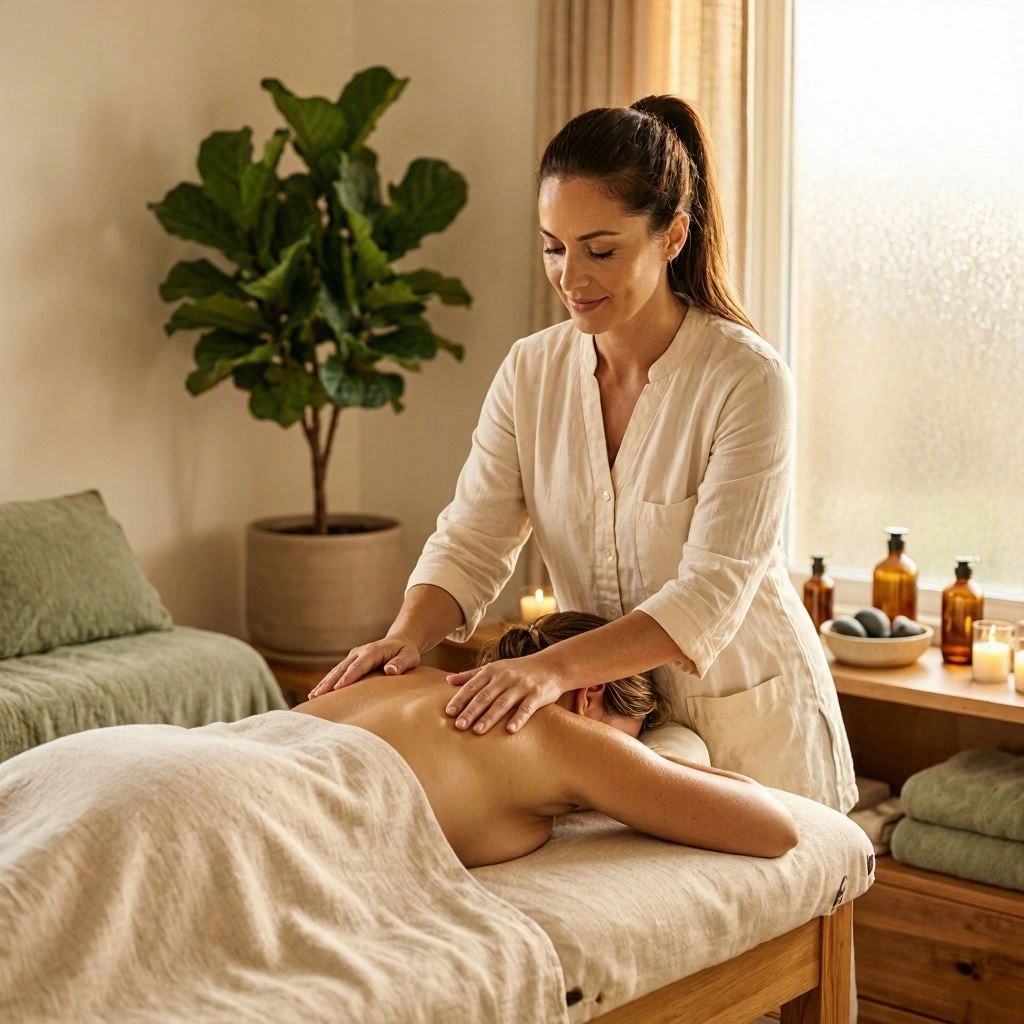
Relaxation massage therapy is a form of massage that uses slow, rhythmic, and generally gentle movements to encourage relaxation throughout the body. The therapist typically works across large muscle groups using techniques such as gliding strokes, gentle kneading, light pressure, and rhythmic movements.
The primary objective is not to aggressively treat a specific injury. Instead, the session is structured around creating a comfortable environment where the body can release everyday muscular tension while the nervous system has an opportunity to settle.
During a session, the therapist may adjust pressure and techniques according to your preferences. Some clients prefer very light pressure, while others enjoy moderate pressure that helps loosen areas of general tightness.
A relaxation massage may be particularly appealing to people who:
Experience regular stress
Feel physically tense after work
Spend long periods sitting
Have difficulty relaxing
Want to support better sleep
Experience general muscle tightness
Enjoy massage as part of their wellness routine
Need time away from daily responsibilities
Although relaxation massage can feel soothing, it is still important to communicate openly with your therapist. Pressure that feels relaxing to one person may feel uncomfortable to another.
How Relaxation Massage Therapy Works
Relaxation massage therapy combines physical touch with a calm environment and repetitive massage movements. These elements can work together to create a sense of comfort and relaxation.
Gentle Massage Movements
Long, smooth strokes are commonly used during relaxation massage. These movements can help warm the muscles and create a consistent rhythm throughout the treatment.
The therapist may also use gentle kneading to address areas that feel tight. Rather than applying intense pressure, the goal is usually to create a comfortable sensation that encourages the muscles to relax.
Supporting Physical Relaxation
When people experience stress, they may unconsciously tighten muscles around the shoulders, neck, back, and jaw. Relaxation massage can provide an opportunity to become more aware of these areas and release some of the physical tension associated with daily activities.
Creating a Calm Experience
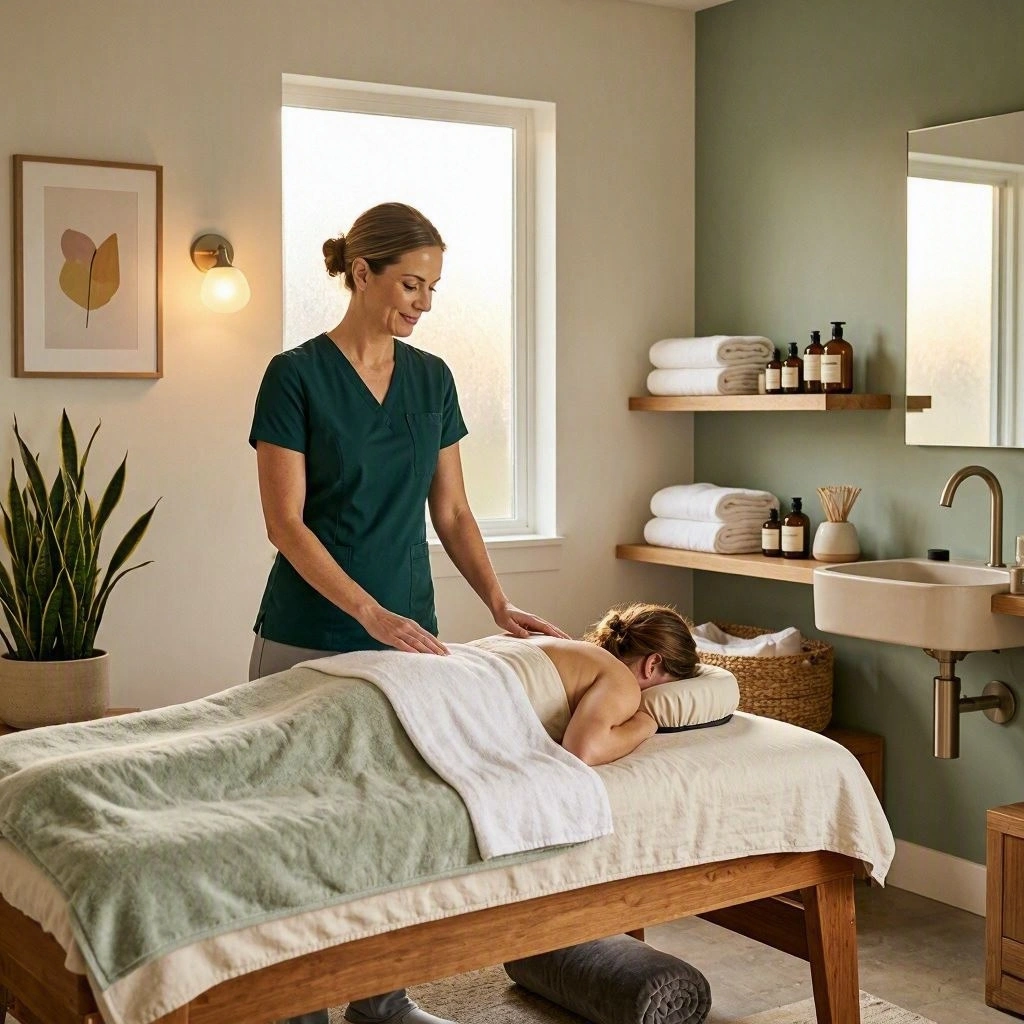
The environment also matters. A quiet treatment room, comfortable positioning, appropriate lighting, and a steady massage rhythm can help create a relaxing atmosphere.
Some clinics may also use calming music or other elements designed to make the treatment environment more comfortable.
Benefits of Relaxation Massage Therapy
There are several reasons people choose relaxation massage as part of their wellness routine. Benefits can vary between individuals, and massage should not be viewed as a replacement for medical treatment when a health condition requires professional care.
1. Helps Reduce Everyday Stress
One of the main reasons people seek relaxation massage therapy is stress management.
Daily stress can affect both mental and physical well-being. People may notice tight shoulders, headaches, fatigue, difficulty concentrating, or general physical discomfort when they are under prolonged stress.
A massage session provides dedicated time to slow down and focus on relaxation. The combination of gentle touch and a calm environment may help create a temporary break from stressful activities.
2. May Help Reduce Muscle Tension
Muscles can become tight because of prolonged sitting, repetitive movements, physical activity, or stress. Common areas of tension include the neck, shoulders, lower back, and legs.
Relaxation massage uses gentle movements to work with these muscles. Although it is not necessarily designed for intensive rehabilitation, it may help people feel less stiff and more comfortable.
3. Supports Relaxation Before Sleep
Some people have difficulty transitioning from a busy day into a restful evening. A relaxation massage may provide a calming experience that helps prepare the body and mind for rest.
Creating a regular relaxation routine can be particularly useful for people who struggle to switch off after work.
Massage is not a guaranteed treatment for sleep disorders, however. Persistent sleep problems should be discussed with an appropriate healthcare professional.
4. Encourages Body Awareness
Many people do not notice how much tension they hold until they experience a period of relaxation.
During massage, clients may become more aware of tight areas, uncomfortable postures, or habits that contribute to physical tension.
This increased awareness can encourage healthier habits outside the massage room.
5. May Promote a General Sense of Well-Being
Taking time for self-care can be an important part of maintaining a balanced lifestyle. Relaxation massage offers an opportunity to pause, rest, and focus on personal well-being.
For some people, simply creating regular time for relaxation can contribute to a greater sense of balance.
Common Relaxation Massage Techniques
A relaxation massage can involve several techniques depending on the therapist’s approach and the client’s preferences.
Effleurage
Effleurage involves smooth, gliding strokes across the body. It is often used at the beginning and end of a massage session.
The technique can create a soothing rhythm while allowing the therapist to gradually work across larger muscle groups.
Petrissage
Petrissage involves gentle kneading or compression of soft tissues. The therapist may use the hands or fingers to work through areas of muscular tension.
During relaxation massage, this technique is generally performed with comfortable pressure.
Gentle Friction
Controlled friction may be used over certain areas to create warmth and address localized tightness. However, relaxation massage generally avoids excessive pressure that could cause discomfort.
Rhythmic Movements
Consistent, repetitive movements can contribute to the calming nature of the treatment. A steady rhythm may make it easier for the client to settle into the session.
The therapist may combine several techniques rather than using only one method throughout the appointment.
What Happens During a Relaxation Massage Session?
If you have never experienced relaxation massage therapy before, knowing what to expect can make the appointment more comfortable.
Initial Consultation
The session usually begins with a brief discussion. Your therapist may ask about your general health, areas of tension, massage preferences, and any concerns you have.
This is a good time to mention previous injuries, sensitive areas, allergies, or anything else that could affect your comfort.
Preparing for Treatment
The therapist will explain how to prepare and which areas will be treated. Professional massage sessions should respect your privacy and comfort throughout the appointment.
Only the areas being treated should be appropriately uncovered, while the rest of the body remains covered according to professional draping practices.
The Massage
Once you are comfortably positioned, the therapist begins with gentle movements. Pressure can usually be adjusted during the session.
If something feels uncomfortable, too painful, too light, too warm, or otherwise unsuitable, tell the therapist immediately.
Communication is an important part of creating an effective massage experience.
After the Session
After the massage, many people feel calm and relaxed. Some may experience temporary tiredness, while others feel refreshed.
It can be helpful to take a few minutes before returning immediately to a demanding activity.
Relaxation Massage Therapy for Different Areas of the Body
Relaxation massage can be adapted to focus on different regions.
Neck and Shoulders
Neck and shoulder tension is common among people who spend hours working at computers or using mobile devices.
Gentle massage techniques can be used around the shoulders and upper back to promote relaxation.
Back
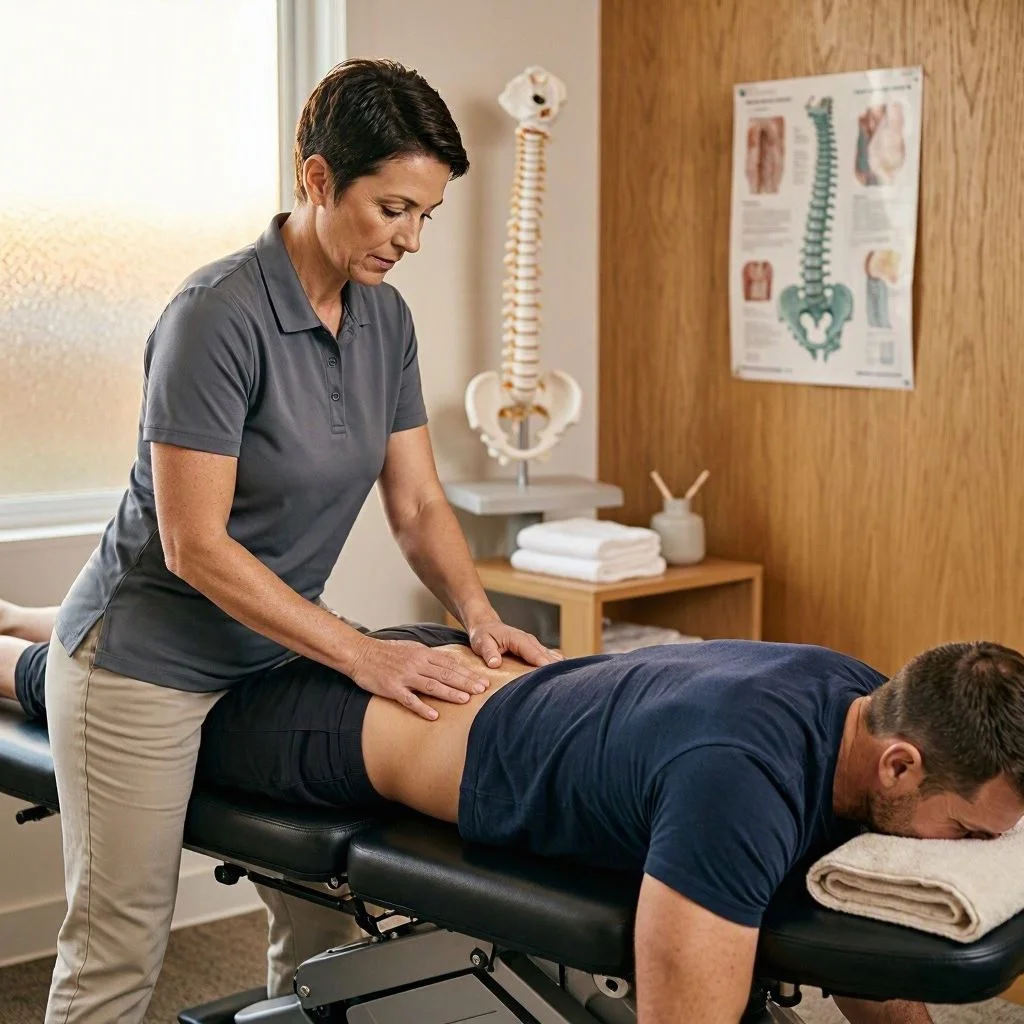
The back contains large muscle groups that may become tired from prolonged sitting, standing, lifting, or physical activity.
A relaxation massage can provide general soothing work across the back without necessarily focusing on deep tissue techniques.
Arms and Hands
People who type, use tools, play musical instruments, or perform repetitive tasks may experience tension in their hands and forearms.
A therapist can incorporate gentle techniques to these areas when appropriate.
Legs and Feet
People who spend much of the day standing or walking may appreciate massage for the legs and feet.
Gentle massage can contribute to a comfortable, relaxing experience after a physically demanding day.
Relaxation Massage vs. Therapeutic Massage
Although relaxation and therapeutic massage may use some similar techniques, their goals can differ.
Relaxation massage primarily emphasizes comfort, stress reduction, general tension relief, and overall relaxation.
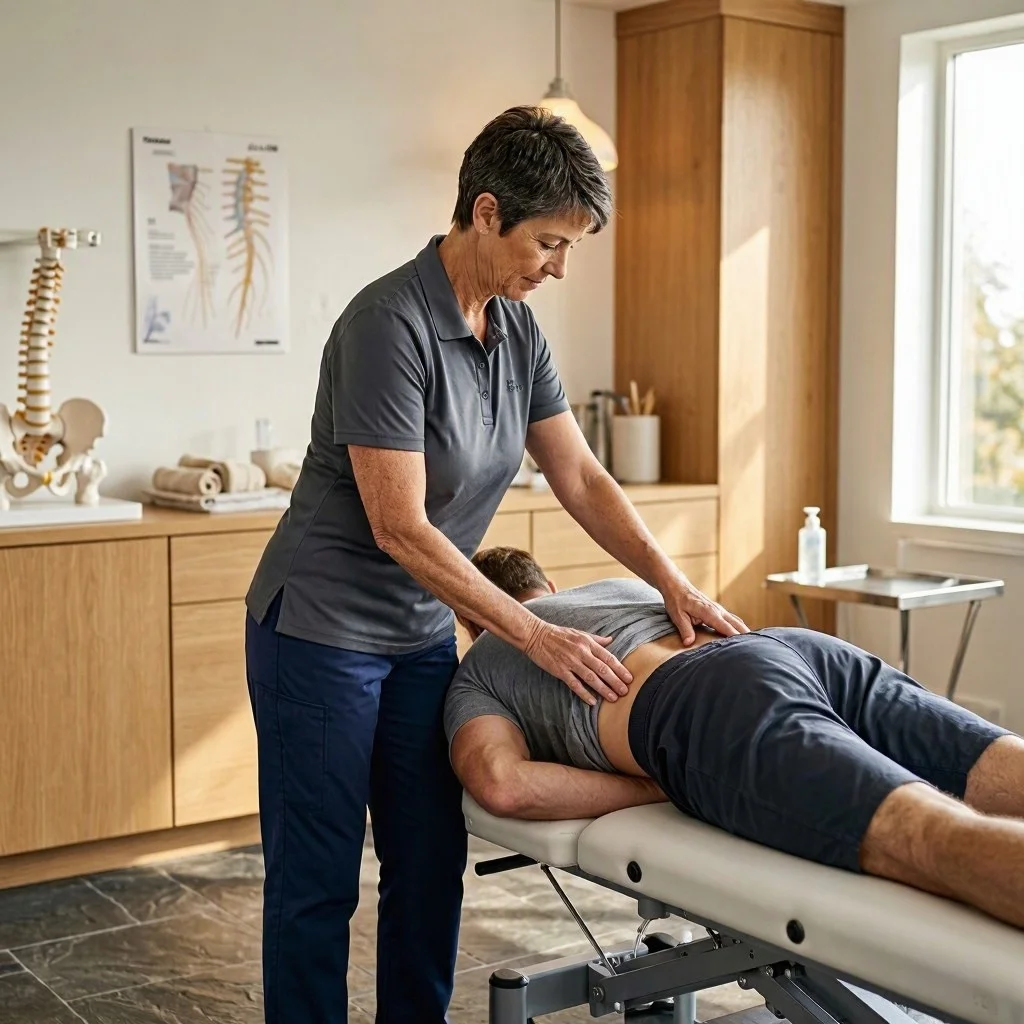
Therapeutic massage may be more specifically directed toward a particular physical problem, movement limitation, injury, or area of persistent discomfort.
For example, someone recovering from a musculoskeletal injury may require a more targeted treatment plan from an appropriately qualified healthcare professional.
However, the two approaches are not always completely separate. A therapist may combine relaxation techniques with more focused techniques depending on the client’s needs and professional scope of practice.
How Often Should You Get Relaxation Massage Therapy?
There is no single schedule that works for everyone.
Some people may choose an occasional massage when they feel particularly stressed. Others may incorporate massage into a regular wellness routine.
Your ideal frequency may depend on:
Your stress level
Physical activity
Work demands
Budget
Personal preferences
Recovery needs
Overall health
For general relaxation, occasional sessions may be enough. People with specific physical concerns should discuss an appropriate treatment schedule with a qualified professional rather than relying solely on massage.
Consistency can be more important than having very frequent sessions. A manageable routine that fits your lifestyle may be easier to maintain over time.
How to Prepare for Relaxation Massage Therapy
A few simple steps can improve your experience.
Communicate Your Preferences
Tell your therapist whether you prefer light, medium, or stronger pressure. Also explain if there are areas you would rather avoid.
Avoid Arriving Rushed
If possible, arrive a little early. Rushing directly from a stressful activity into a massage appointment can make it harder to relax.
Stay Hydrated
Maintaining normal hydration is a sensible part of general wellness. However, there is no need to excessively drink water immediately before a massage.
Wear Comfortable Clothing
Follow the clinic’s preparation instructions and choose comfortable clothing that makes changing before and after treatment easier.
Avoid Heavy Meals Immediately Before Treatment
A very large meal immediately before lying down for a massage may be uncomfortable. A lighter meal several hours beforehand may be more suitable for many people.
Who May Benefit From Relaxation Massage Therapy?
Relaxation massage may be suitable for many healthy adults who want to manage everyday stress and muscular tension.
It can be particularly appealing to people with sedentary jobs, physically demanding routines, high workloads, or lifestyles that leave little time for relaxation.
However, massage is not appropriate in every situation. Certain medical conditions, acute injuries, infections, unexplained swelling, or other health concerns may require medical assessment before massage.
If you have a medical condition or are unsure whether massage is appropriate for you, speak with your healthcare provider before scheduling treatment.
When Should You Avoid Massage?
Although massage is generally well tolerated by many people, there are circumstances where it may need to be postponed or modified.
You should discuss massage with a healthcare professional if you have a serious medical condition, recent surgery, unexplained symptoms, significant swelling, an acute injury, or another condition that could make massage unsuitable.
Massage should also not be performed over areas with active skin infections or open wounds.
Pregnant clients should inform their massage therapist and choose a practitioner appropriately trained in prenatal massage when relevant.
The safest approach is to provide your therapist with accurate health information before treatment.
Choosing a Relaxation Massage Therapist
The quality of your experience depends partly on the therapist you choose.
Check Professional Qualifications
Look for a massage therapist with appropriate education, professional credentials, and experience.
Ask About Their Approach
Different therapists use different techniques. Ask what their relaxation massage session typically involves.
Consider Communication
A good therapist should be willing to discuss pressure, comfort, positioning, and your expectations.
Evaluate the Environment
A clean, professional, and comfortable treatment environment can make a significant difference to the overall experience.
Read Reviews Carefully
Client reviews can provide useful information about professionalism, cleanliness, communication, and overall experience. However, reviews should be considered alongside professional qualifications and your personal needs.
Can Relaxation Massage Help With Stress?
Relaxation massage may be a useful component of a broader stress-management routine.
However, managing chronic stress usually requires more than massage alone. Regular physical activity, adequate sleep, healthy nutrition, social connection, relaxation techniques, and appropriate mental health support can all play important roles.
Massage can provide a dedicated period of rest, but it should complement rather than replace healthy lifestyle habits.
Relaxation Massage and Workplace Stress
Many modern jobs involve prolonged sitting, computer use, deadlines, and repetitive movements. Over time, these demands can contribute to physical tension.
Massage may provide temporary relief from general muscular tightness while also giving workers time to mentally disconnect.
Nevertheless, addressing the causes of workplace tension is equally important. Improving workstation ergonomics, taking movement breaks, adjusting posture, and incorporating regular physical activity may help reduce recurring discomfort.
Relaxation Massage as Part of a Wellness Routine
Wellness is not about one treatment or one habit. Instead, it involves several factors that contribute to physical and mental well-being.
Relaxation massage can be incorporated alongside:
Regular exercise
Stretching
Adequate sleep
Healthy nutrition
Stress-management techniques
Proper workplace ergonomics
Recreational activities
Regular healthcare checkups
When combined with these habits, massage can become one part of a broader approach to self-care.
Frequently Asked Questions
Is relaxation massage painful?
Relaxation massage should generally feel comfortable. Mild pressure may sometimes be noticeable, but significant pain is not the goal. Always tell your therapist if the pressure feels uncomfortable.
How long does a relaxation massage last?
Sessions commonly range from around 30 to 90 minutes, depending on the clinic, treatment plan, and client’s preferences.
Can I fall asleep during a massage?
Yes. Some people become so relaxed during a session that they briefly fall asleep. This is generally not unusual.
How often should I have a relaxation massage?
There is no universal schedule. Some people prefer occasional appointments, while others choose regular sessions based on their lifestyle and wellness goals.
Is relaxation massage good for muscle tension?
It may help reduce the sensation of general muscular tension and promote relaxation. However, persistent or severe pain may require assessment by an appropriate healthcare professional.
What should I tell my massage therapist?
Tell your therapist about your pressure preferences, sensitive areas, injuries, medical conditions, medications when relevant, and anything else that could affect treatment.
Can relaxation massage help with sleep?
Massage may promote relaxation, which some people find helpful before sleep. However, it should not be considered a guaranteed treatment for insomnia or other sleep disorders.
Is relaxation massage suitable for everyone?
Not necessarily. Certain medical conditions may require massage to be avoided or modified. If you have concerns about your health, consult your healthcare provider before treatment.
Final Thoughts
Relaxation massage therapy offers a simple way to create dedicated time for physical and mental relaxation. Through gentle strokes, rhythmic movements, comfortable pressure, and a calm environment, massage can help people step away from everyday demands and focus on their well-being.
Potential benefits include reduced feelings of stress, general muscle relaxation, improved body awareness, and a greater sense of comfort. For many people, massage can also become a valuable part of a broader wellness routine.
However, relaxation massage should not replace medical evaluation when persistent pain, injury, or unexplained symptoms are present. Choosing a qualified therapist and communicating clearly about your health and preferences are important steps toward a safe and positive experience.
Whether you receive a massage occasionally or incorporate it into a regular self-care routine, the most important goal is to find an approach that fits your individual needs and supports a balanced, healthy lifestyle.