
Why Does My Lower Back Hurt When I Get Out of Bed?
Waking up with lower back pain can make even the simplest morning activities uncomfortable. If you regularly wonder, “Why does my lower back hurt when I get out of bed?”, the cause may involve your sleeping position, mattress support, muscle stiffness, or an underlying spinal condition.
Morning lower back pain is relatively common. Some people experience a dull ache that improves after walking around, while others struggle to straighten their backs or stand comfortably after getting out of bed. Understanding the possible causes of lower back pain when getting out of bed can help you identify appropriate ways to manage discomfort and know when to seek professional advice.
The good news is that many cases of morning back discomfort improve with appropriate movement, sleep adjustments, and conservative treatment. However, recurring or persistent symptoms sometimes require professional assessment.
Understanding what causes your pain is the first step toward choosing the right approach.
In this guide, we explore the most common reasons for lower back pain after sleeping, practical ways to reduce morning stiffness, exercises that may help, and signs that indicate when you should seek medical attention.
Why Does My Lower Back Hurt When I Get Out of Bed?
Lower back pain when getting out of bed can happen because your muscles, joints, spinal discs, and surrounding tissues have remained in relatively similar positions for several hours.
During sleep, movement decreases. Consequently, tissues that are already irritated or sensitive may feel stiff when you begin moving again.
Several factors can contribute to this discomfort:
- Sleeping in a position that places additional stress on your lower back.
- Using a mattress that does not provide comfortable support.
- Remaining in one position for several hours.
- Muscle tightness or a previous back strain.
- Age-related changes affecting spinal joints or discs.
- Conditions such as sciatica or inflammatory arthritis.
For many people, morning discomfort gradually improves after getting dressed, walking, or performing gentle movements.
However, the pattern matters. Pain that improves with movement may have different contributing factors from pain that becomes progressively worse throughout the day or regularly interrupts sleep.
It is also important to understand that morning pain does not automatically mean your spine is damaged. A proper assessment considers your symptoms, medical history, daily activities, and physical examination findings.
8 Common Causes of Lower Back Pain in the Morning
1. Poor Sleeping Position
Your sleeping position can influence how much pressure is placed on your lower back during the night.
For example, sleeping on your stomach may increase the extension of your lumbar spine. It can also require you to turn your head to one side for extended periods.
For some people, this position contributes to discomfort in the lower back, neck, or surrounding muscles.
Side sleeping and back sleeping may be more comfortable alternatives.
If you sleep on your side, placing a pillow between your knees can help keep your pelvis and hips in a more comfortable position.
If you sleep on your back, placing a pillow underneath your knees may reduce tension around your lower back.
Nevertheless, there is no single sleeping position that works for everyone. Comfort and individual medical needs should guide your choice.
2. An Unsupportive or Sagging Mattress
Your mattress influences how your body is supported while sleeping.
A mattress that sags significantly may allow your hips or pelvis to sink unevenly. On the other hand, a mattress that feels excessively firm may create pressure around the hips and other contact points.
Either situation may make sleeping uncomfortable.
Signs that your mattress could be contributing to morning back pain include:
- Noticeable sagging or uneven surfaces.
- Waking up with stiffness that improves after leaving the bed.
- Feeling more comfortable when sleeping on another mattress.
- Regularly changing positions because you cannot get comfortable.
A medium-firm mattress may be a reasonable starting point for many people with lower back discomfort. However, mattress preference varies according to body shape, sleeping position, and individual comfort.
You do not necessarily need to purchase a new mattress immediately. First, evaluate your existing mattress, pillow arrangement, and sleeping habits.
3. Muscle Stiffness After Prolonged Inactivity
Your muscles and joints can become temporarily stiff after remaining in one position for several hours.
During sleep, you naturally move less than you do during the day. If your lower back is already sensitive, the transition from lying down to standing may make the discomfort more noticeable.
This is particularly relevant if you:
- Spend most of your working day sitting.
- Rarely change positions during the day.
- Have recently reduced your physical activity.
- Have experienced a previous muscle strain.
- Regularly perform physically demanding work.
In these situations, gentle morning movement may help restore comfortable mobility.
However, stiffness that lasts a long time every morning or repeatedly occurs with other symptoms deserves further evaluation.
4. Lumbar Muscle or Ligament Strain
A muscle or ligament strain can develop after lifting, bending, twisting, exercise, or repetitive physical activity.
Sometimes the discomfort begins several hours after the activity rather than immediately.
A person with a lower back strain may experience:
- Localized aching.
- Muscle tightness.
- Pain when bending forward.
- Discomfort when changing positions.
- Difficulty standing upright immediately after waking.
The symptoms may feel particularly noticeable when moving from a lying position to standing.
Most uncomplicated acute lower back strains improve gradually with appropriate activity modification and conservative care.
Prolonged bed rest is generally not recommended. Instead, avoid activities that significantly aggravate symptoms while maintaining comfortable everyday movement.
5. Degenerative Disc Changes
The spinal discs are structures located between the vertebrae. They help distribute loads and allow the spine to move.
As people age, these discs can undergo structural changes, including reduced hydration and changes in their ability to tolerate mechanical stress.
These changes are common and do not always cause pain.
However, some individuals develop symptoms associated with degenerative disc disease.
Possible symptoms include:
- Persistent lower back discomfort.
- Pain that changes with sitting or bending.
- Stiffness after prolonged inactivity.
- Discomfort during certain movements.
- Occasionally, pain extending into the buttocks or legs.
Importantly, imaging findings alone cannot establish that disc degeneration is responsible for someone’s symptoms. Clinical findings and the person’s overall presentation must also be considered.
6. Sciatica and Nerve Irritation
Sciatica describes pain associated with irritation or compression of the sciatic nerve or its nerve roots.
Unlike uncomplicated muscular discomfort, sciatica often involves symptoms extending beyond the lower back.
You may experience:
- Pain travelling into one buttock.
- Discomfort extending down the back of one leg.
- Tingling or pins-and-needles sensations.
- Numbness.
- Weakness in the affected leg.
Symptoms may become noticeable when changing positions, sitting, bending, or getting out of bed.
If you experience symptoms associated with sciatica, learning about home treatment options for sciatica may help you understand available approaches to managing discomfort.
A herniated disc is one possible cause of sciatica, although other conditions can also contribute.
If you experience persistent radiating pain, numbness, or weakness, arrange a medical assessment rather than assuming that ordinary stretching will solve the problem.
7. Spinal Osteoarthritis and Joint Stiffness
Osteoarthritis can affect the small joints connecting the vertebrae.
These joints help control spinal movement. When they become irritated or undergo degenerative changes, certain movements may become uncomfortable.
Some people experience:
- Lower back stiffness after resting.
- Pain when standing up.
- Discomfort during backward bending.
- Reduced spinal mobility.
- Symptoms that change with activity.
Although age-related changes can contribute, osteoarthritis is not the only explanation for morning back pain.
A healthcare professional can help determine whether spinal joint problems are relevant to your symptoms.
8. Inflammatory Conditions Such as Ankylosing Spondylitis
Not all morning back stiffness is caused by sleeping position or muscle tightness.
Inflammatory conditions, including axial spondyloarthritis and ankylosing spondylitis, can cause back pain and stiffness.
Some characteristic patterns include:
- Back pain beginning before the age of 40.
- Gradual symptom development.
- Morning stiffness lasting longer than expected.
- Pain that improves with exercise.
- Discomfort that may wake you during the second half of the night.
- Symptoms that persist for several months.
These features do not confirm an inflammatory condition. However, they are reasons to discuss your symptoms with a healthcare professional.
Early recognition and appropriate treatment can help manage inflammatory spinal conditions.
Common Symptoms Associated With Morning Lower Back Pain

The way your back feels when you wake up can provide useful information about the problem.
Common symptoms include:
Morning stiffness: Your lower back feels tight, making it difficult to bend or stand comfortably.
Localized aching: The discomfort remains around the lumbar region without spreading into other areas.
Pain when standing: Moving from a lying position to standing increases discomfort.
Reduced mobility: You may find it difficult to bend forward, rotate, or straighten your back.
Radiating pain: Discomfort travels into the buttocks or legs, sometimes with tingling or numbness.
Muscle tightness: The muscles around the lower back feel tense or uncomfortable during movement.
Pay attention to how long your symptoms last, what makes them better or worse, and whether they occur every morning.
This information can help a healthcare professional understand the possible cause.
How to Relieve Lower Back Pain When Getting Out of Bed
Small adjustments to your morning routine may help reduce discomfort.
The NHS recommends staying active, continuing daily activities as tolerated, and avoiding prolonged bed rest when managing many cases of back pain.
1. Avoid Getting Out of Bed Too Quickly
Instead of immediately sitting upright, give your body a moment to adjust.
Try the following sequence:
- Gently bend your knees while lying on your back.
- Roll onto your side without twisting your lower back excessively.
- Move your legs toward the edge of the bed.
- Use your arms to help push your upper body into a sitting position.
- Pause briefly before standing.
- Place both feet firmly on the floor.
- Stand up gradually using your legs for support.
This technique is sometimes called the log-roll method.
It can make the transition from lying down to standing more comfortable for some people.
2. Use Gentle Heat
Applying warmth may help relieve temporary muscle tightness and stiffness.
You can try:
- A warm shower in the morning.
- A warm compress over the lower back.
- A heating pad used according to its safety instructions.
Avoid placing excessive heat directly against your skin.
Heat is a symptom-management option, not a treatment for every underlying cause of back pain.
3. Start With Gentle Walking
Walking is a practical way to introduce movement after several hours of inactivity.
Begin with a short, comfortable walk around your home.
Gradually increase the duration if your symptoms allow.
Walking may help maintain mobility and prevent the discomfort associated with prolonged inactivity.
You do not need to push through significant pain to benefit from movement.
4. Adjust Your Sleeping Position
Try modifying your sleeping position for several nights and observe whether your morning symptoms change.
If you sleep on your side:
Place a pillow between your knees and keep your legs slightly bent.
If you sleep on your back:
Place a pillow underneath your knees to support a comfortable spinal position.
If you sleep on your stomach:
Consider gradually transitioning to side or back sleeping if those positions are comfortable for you. If you cannot sleep comfortably in another position, a small pillow beneath your pelvis may help some people.
These adjustments are intended to improve comfort rather than force your spine into one supposedly perfect position.
Morning Exercises for Lower Back Stiffness
Gentle movement can help some people reduce morning stiffness and improve lower back mobility.
A structured rehabilitation program may include physiotherapy exercises for back pain to improve mobility, strength, and functional movement.
However, exercises should match your symptoms and physical abilities.
Start slowly, and avoid movements that cause significant pain, increase leg symptoms, or produce new numbness or weakness.
1. Pelvic Tilts
Pelvic tilts encourage gentle movement of the lower back and pelvis.
How to perform them:
- Lie on your back with your knees bent.
- Keep your feet flat on the bed or a comfortable exercise surface.
- Gently tighten your abdominal muscles.
- Slowly tilt your pelvis so your lower back moves slightly toward the surface.
- Relax and return to a comfortable neutral position.
- Repeat gently.
Avoid forcing your back flat or holding your breath.
2. Single Knee-to-Chest Stretch
This movement may help some people improve comfortable lower back and hip mobility.
How to perform it:
- Lie on your back with both knees bent.
- Slowly bring one knee toward your chest.
- Support your leg with your hands if comfortable.
- Hold briefly without forcing the movement.
- Return your foot to the starting position.
- Repeat on the opposite side.
If the movement increases radiating leg pain, stop.
3. Cat-Cow Movement
The cat-cow movement introduces controlled spinal mobility.
How to perform it:
- Begin on your hands and knees.
- Keep your hands beneath your shoulders.
- Keep your knees beneath your hips.
- Gently round your back.
- Slowly move toward a comfortable, slightly extended position.
- Repeat with controlled breathing.
Do not force the end range of either movement.
4. Glute Bridges
Glute bridges strengthen muscles around the hips and pelvis.
How to perform them:
- Lie on your back with your knees bent.
- Position your feet comfortably on the floor.
- Gently tighten your abdominal and gluteal muscles.
- Lift your hips gradually.
- Avoid excessive arching through your lower back.
- Lower your hips slowly.
Start with a comfortable range of movement.
Bridges are not suitable for every person experiencing back pain, so discontinue them if symptoms worsen.
5. Short Walking Sessions
Walking is often easier to tolerate than more demanding exercises.
Start with a comfortable distance and increase it gradually.
You can divide your activity into several shorter sessions throughout the day.
Regular movement may be more manageable than attempting a long workout immediately after waking up.
Important exercise advice: These exercises are general examples, not an individualized rehabilitation prescription. People with recent injuries, significant radiating symptoms, neurological symptoms, or medical restrictions should seek professional advice before starting a new routine.
How Physiotherapy Can Help With Morning Lower Back Pain
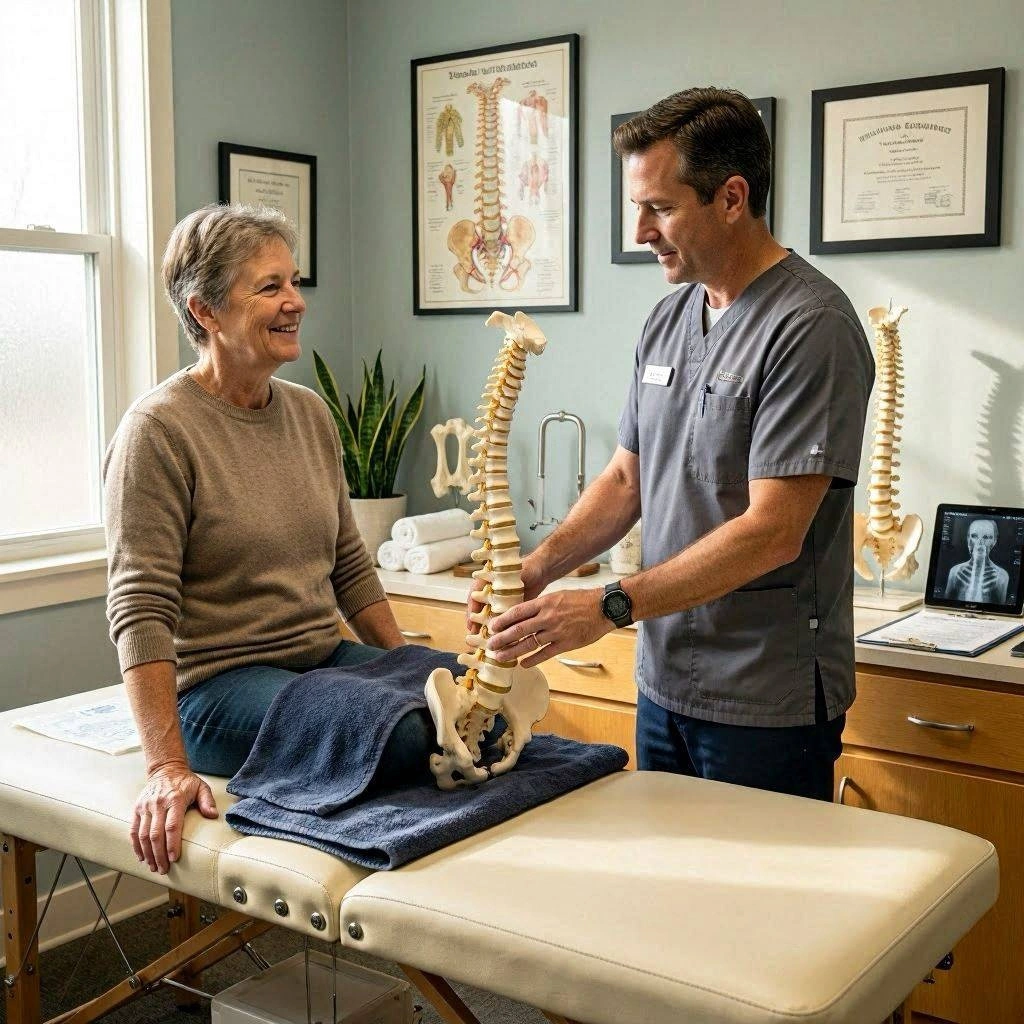
Physiotherapy may be useful when morning back pain repeatedly affects your sleep, mobility, work, or everyday activities.
The purpose of treatment is not simply to reduce discomfort temporarily. It is also to identify contributing factors and improve your ability to move comfortably.
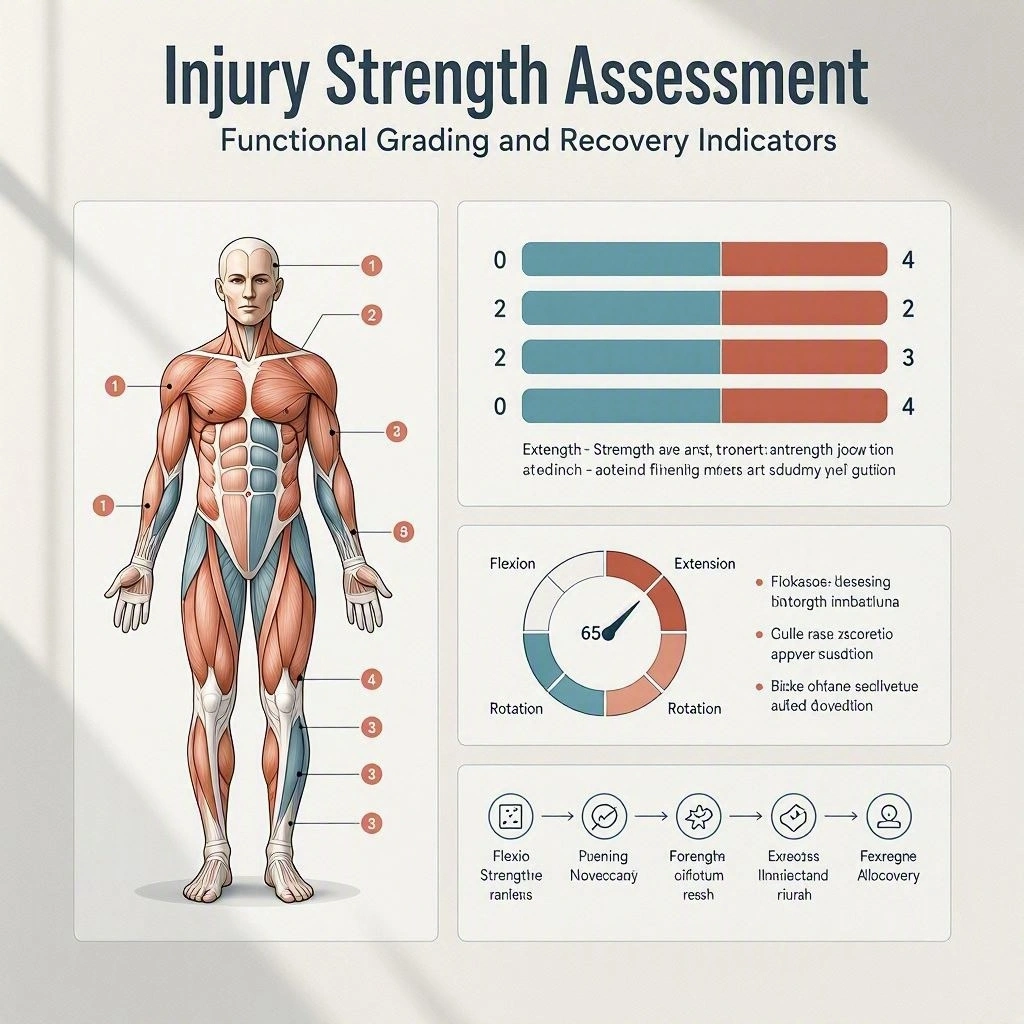
A physiotherapy assessment may include:
- Reviewing your symptoms and medical history.
- Evaluating spinal and hip mobility.
- Assessing muscle strength.
- Examining movement patterns.
- Identifying activities that aggravate your symptoms.
- Considering how your work and sleeping habits affect your discomfort.
Depending on the findings, treatment may include several approaches.
Therapeutic Exercise
Individualized strengthening and mobility exercises may improve physical capacity and movement control.
Manual Therapy
Selected hands-on techniques may provide short-term improvements in comfort or mobility for some patients.
They are generally most useful as part of a broader rehabilitation program rather than as the only treatment.
Movement and Postural Education
A physiotherapist can help you understand how daily activities, prolonged sitting, lifting, and movement habits relate to your symptoms.
The objective is not to maintain one rigid posture throughout the day.
Instead, it is to develop comfortable movement habits and avoid remaining in one position for unnecessarily long periods.
Progressive Rehabilitation
If pain has reduced your activity levels, a gradual rehabilitation program can help rebuild strength, endurance, and confidence with movement.
The exercises and progression should reflect your individual assessment.
How to Prevent Lower Back Pain After Sleeping
Although not every episode of back pain can be prevented, several habits may reduce contributing factors.
Maintain Regular Physical Activity
Walking, swimming, and appropriately selected strengthening exercises can help maintain general physical fitness.
Regular activity is preferable to remaining inactive for long periods.
Avoid Prolonged Sitting
If you work at a desk, change positions regularly.
Stand up, walk briefly, and adjust your sitting position throughout the day.
Choose Comfortable Sleep Support
Your mattress and pillows should provide comfortable support.
Replace a mattress if it is noticeably damaged or sagging and consistently affects your comfort.
Build Strength Gradually
Strengthening the trunk, hips, and surrounding muscles may improve physical capacity.
However, exercise intensity should increase gradually rather than suddenly.
Use Appropriate Lifting Techniques
When lifting objects:
- Keep the object reasonably close to your body.
- Bend your hips and knees as needed.
- Avoid combining heavy lifting with sudden twisting.
- Use assistance for loads that are difficult to manage.
Prioritize Consistent Sleep
A comfortable sleeping environment and regular sleep schedule may support better sleep quality.
Although sleep habits do not treat every cause of back pain, adequate rest can be an important part of overall health and recovery.
When Should You See a Doctor for Morning Lower Back Pain?
Occasional mild morning stiffness that improves with movement is not necessarily a sign of a serious problem.
Nevertheless, recurring or persistent discomfort should not be ignored.
Arrange a medical assessment if:
- Your pain continues for several weeks without improvement.
- Morning stiffness repeatedly affects your daily activities.
- Pain progressively becomes worse.
- Discomfort regularly wakes you during the night.
- Pain travels into your buttocks or legs.
- You experience persistent tingling or numbness.
- You have unexplained weight loss.
- You have a history of cancer, osteoporosis, or significant immune-system problems.
A healthcare professional can review your symptoms and determine whether further examination or testing is necessary.
Emergency Warning Signs
Some symptoms require immediate medical attention.
Seek emergency care if lower back pain occurs with:
- New difficulty controlling your bladder or bowel movements.
- New loss of sensation around the genitals or anus.
- Significant or progressive weakness in both legs.
- Serious neurological symptoms affecting both legs.
- Back pain following a major accident or traumatic injury.
These symptoms can indicate serious conditions involving the spinal nerves or other structures.
Do not attempt to manage these warning signs with home exercises or routine physiotherapy alone.
Frequently Asked Questions
1. Why does my lower back hurt only when I wake up?
Morning-only lower back pain may be associated with sleeping position, reduced movement during sleep, muscle stiffness, mattress support, or an underlying spinal condition.
If the discomfort improves shortly after getting up, temporary stiffness may be contributing.
However, repeated morning pain should be evaluated if it persists, worsens, or interferes with daily activities.
2. Why does my lower back hurt when I stand up from bed?
Standing requires your back, hips, and abdominal muscles to coordinate and support your body weight.
If these tissues are sensitive or stiff, the transition from lying down to standing may trigger discomfort.
Try rolling onto your side, using your arms for support, and standing gradually.
If the pain is severe or repeatedly occurs, consider professional assessment.
3. Is morning lower back pain caused by my mattress?
It can be a contributing factor.
A mattress that sags or does not feel comfortable may affect how your body is supported during sleep.
However, morning back pain can also involve muscle strain, joint stiffness, disc-related problems, or other medical conditions.
Changing your mattress will not necessarily resolve every cause of back pain.
4. What is the best sleeping position for lower back pain?
Side sleeping with a pillow between your knees is a useful option for many people.
Back sleeping with a pillow beneath your knees may also improve comfort.
If sleeping on your stomach aggravates your symptoms, consider trying another position.
The most appropriate position is the one that allows comfortable sleep without aggravating your symptoms or conflicting with other medical recommendations.
5. Should I stretch when I wake up with lower back pain?
Gentle movement may help reduce stiffness and improve mobility.
Examples include comfortable pelvic tilts, gentle knee movements, and short walking sessions.
Avoid aggressive stretching or forcing your back into uncomfortable positions.
If exercise increases pain significantly or produces new neurological symptoms, stop and seek medical advice.
6. Can a herniated disc cause lower back pain in the morning?
Yes. A herniated disc can contribute to lower back discomfort.
In some cases, it can also irritate nearby nerves and cause symptoms such as pain travelling into the buttock or leg, tingling, numbness, or weakness.
However, not everyone with a herniated disc experiences symptoms, and morning pain alone cannot confirm this diagnosis.
7. Is walking good for lower back pain after sleeping?
For many people, gentle walking is a useful way to return to movement after sleeping.
It can help maintain mobility and reduce the effects of prolonged inactivity.
Begin with a comfortable distance and gradually increase activity as tolerated.
If walking causes significant worsening of symptoms, seek professional guidance.
8. How long should morning lower back pain last?
There is no universal duration.
Temporary stiffness may improve after a short period of movement. Other causes can produce symptoms lasting longer.
If pain persists for several weeks, repeatedly returns, or interferes with your normal activities, arrange an assessment.
9. Can poor posture during the day cause back pain in the morning?
Prolonged sitting, repetitive movements, and physically demanding activities may contribute to back discomfort.
However, there is no single perfect posture that prevents all back pain.
Regular movement, comfortable positioning, appropriate exercise, and gradual changes in activity are generally more useful than trying to maintain one rigid position.
10. When should I consider physiotherapy?
Consider physiotherapy when recurring lower back pain affects your mobility, sleep, work, or ability to participate in everyday activities.
A physiotherapist can assess your movement and strength and develop an individualized rehabilitation plan.
However, emergency warning signs and unexplained concerning symptoms require appropriate medical assessment first.
Final Thoughts: Understanding Morning Lower Back Pain
Lower back pain when getting out of bed can have several causes, including sleeping position, mattress support, muscle stiffness, previous strains, and underlying spinal conditions.
For many people, improving sleep comfort, introducing gentle morning movement, staying appropriately active, and adjusting daily habits can make a meaningful difference.
Nevertheless, persistent pain should not automatically be attributed to sleeping position or aging.
Pay attention to how your symptoms develop, whether they improve with movement, and whether you experience additional symptoms such as leg pain, numbness, or weakness.
If morning back pain repeatedly interferes with your daily activities, a healthcare professional or physiotherapist can help assess possible contributing factors and recommend an appropriate treatment approach.
At Ritz Clinic, an individualized physiotherapy assessment can help identify movement limitations and guide a rehabilitation program based on your symptoms, physical abilities, and recovery goals.
The most important step is to understand the reason behind your discomfort rather than relying on a one-size-fits-all solution.
Medical Disclaimer
This article is intended for general educational and informational purposes only. It does not replace professional medical advice, diagnosis, or treatment.
Lower back pain can have several possible causes, and the appropriate treatment depends on an individual’s medical history, symptoms, and clinical assessment.
Do not ignore persistent, worsening, or unexplained symptoms. Seek medical attention when appropriate, and obtain emergency care if you experience new bladder or bowel dysfunction, numbness around the genitals or anus, or significant neurological weakness.
Always consult a qualified healthcare professional before starting a new exercise or rehabilitation program if you have an existing medical condition, recent injury, or other health concerns.