Osteopathy for Hip Pain: Treatment, Benefits, Exercises, and Recovery
Hip pain can make everyday activities such as walking, climbing stairs, sitting, standing, and sleeping uncomfortable. It may develop gradually because of joint changes or muscle overuse, or it may appear after an injury or a sudden increase in physical activity. Depending on the cause, discomfort can affect the groin, outer hip, buttock, or upper thigh. Osteopathy for hip pain focuses on assessing movement, understanding the factors that contribute to discomfort, and using appropriate hands-on techniques and movement-based strategies to support recovery. Osteopathic treatment may help some people manage musculoskeletal symptoms, particularly when it forms part of a broader plan that includes exercise, education, and appropriate medical care.
However, hip pain can have many different causes. Osteoarthritis, tendon problems, muscle strains, bursitis, and pain referred from the lower back may require different approaches. An accurate assessment is therefore an important first step before deciding whether osteopathy is appropriate.
At Ritz Clinics, osteopathy services focus on assessing movement and musculoskeletal function and selecting treatment according to individual needs. This guide explains common causes of hip pain, how osteopathic care may help, which exercises may support recovery, and when medical assessment is necessary.
What Is Osteopathy for Hip Pain?
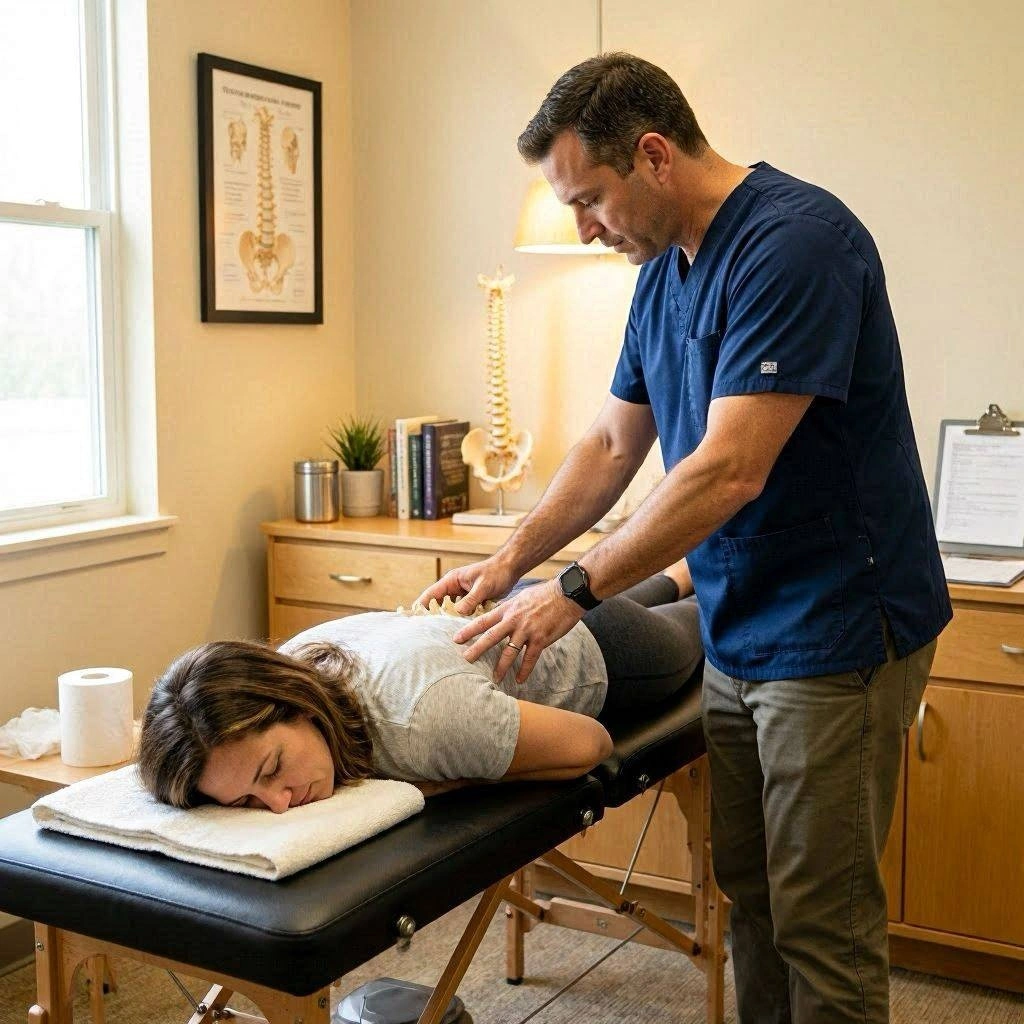
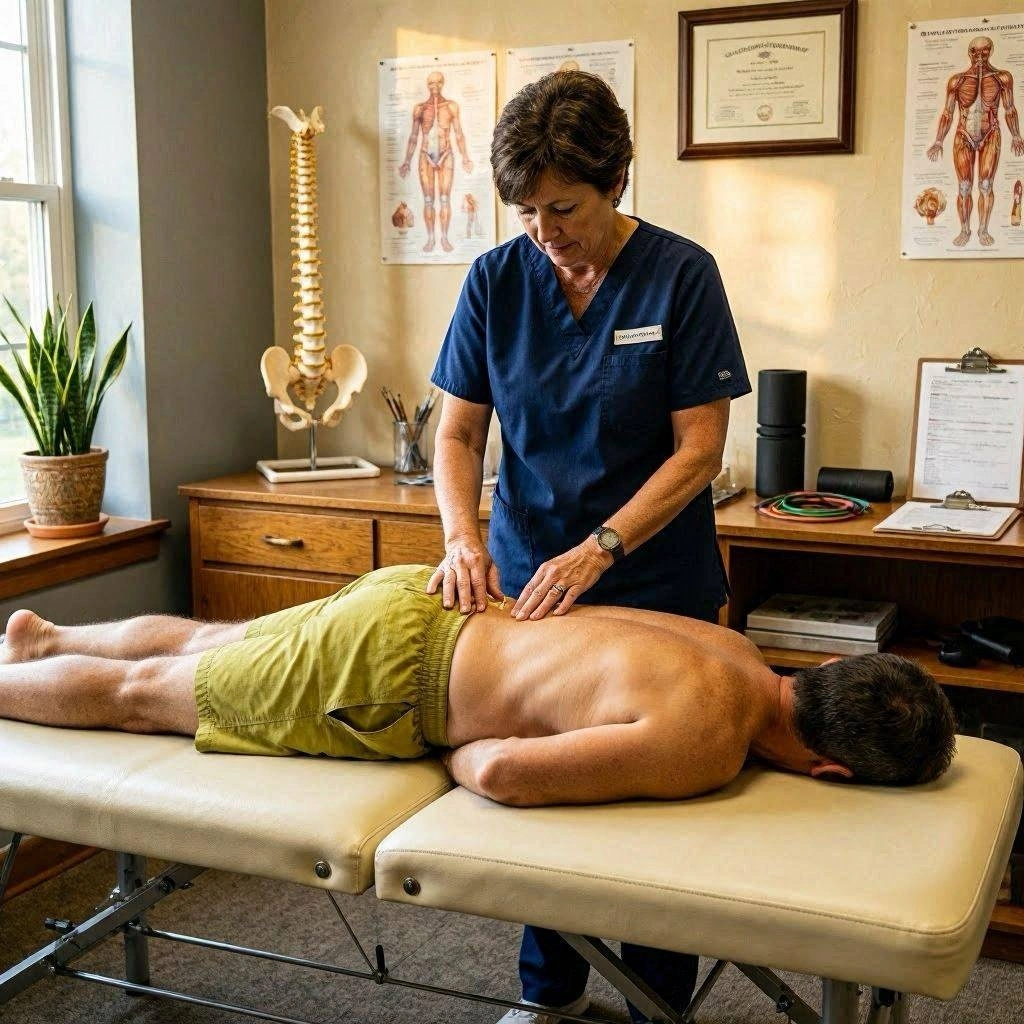
Osteopathy is a form of musculoskeletal healthcare that commonly uses hands-on assessment and treatment to address problems involving muscles, joints, connective tissues, and movement.
When someone experiences hip pain, an osteopath may assess more than the hip joint itself. Depending on the symptoms, the examination may also consider the pelvis, lower back, thigh muscles, surrounding tendons, and the way the person walks or performs everyday activities.
For example, a person who experiences discomfort while climbing stairs may have limited hip movement, reduced strength around the hip, or sensitivity in the muscles and tendons near the joint. Another person may experience groin pain because of hip osteoarthritis or a problem inside the joint.
These situations can feel similar but may require different management strategies.
Osteopathic treatment for hip pain may include:
- Gentle joint mobilization when appropriate.
- Soft-tissue techniques for surrounding muscles.
- Movement and mobility exercises.
- Advice about modifying aggravating activities.
- Guidance on gradually returning to exercise.
- Strengthening recommendations to support hip function.
- Referral for medical assessment when symptoms suggest another condition.
The purpose is to improve comfort and function rather than simply treat the painful area temporarily. Evidence for manual therapies varies depending on the condition, and osteopathy should not be presented as a guaranteed cure. For many hip problems, exercise and appropriate activity management remain important parts of recovery.
Understanding the Hip Joint
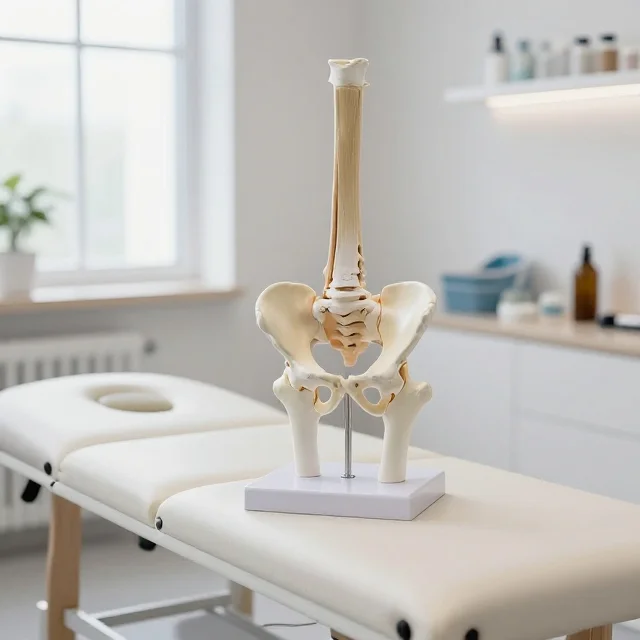
The hip is a ball-and-socket joint formed by the head of the femur, or thigh bone, and a socket in the pelvis called the acetabulum. Strong ligaments, cartilage, muscles, and tendons help support the joint and allow it to move in different directions.
The hip plays an important role in supporting body weight and transferring force between the trunk and legs. It helps you walk, run, bend, turn, stand up from a chair, and maintain balance.
Several muscle groups contribute to hip movement and stability. These include the gluteal muscles, hip flexors, adductors, and muscles around the pelvis and thigh.
When pain affects the hip, the body may compensate by changing how it walks or distributes weight. These changes can sometimes increase the demands on nearby structures, including the lower back, knee, and opposite leg.
However, not all hip pain originates in the hip joint. Problems involving the lumbar spine, nerves, or nearby soft tissues can also produce symptoms around the hip or upper thigh.
A comprehensive assessment helps determine which structures may be contributing to the symptoms and whether additional investigation is needed.
Common Causes of Hip Pain
Before starting osteopathic treatment, it is important to understand that hip pain is a symptom rather than a specific diagnosis. Different conditions can produce similar discomfort, and treatment should reflect the underlying problem.
1. Hip Osteoarthritis
Hip osteoarthritis is a joint condition involving changes in cartilage and other structures around the hip. It becomes more common with age, although symptoms and severity vary between individuals.
People with hip osteoarthritis may experience pain around the groin, thigh, or buttock. Discomfort often increases during walking, climbing stairs, or standing for extended periods. Stiffness may also occur after resting or waking up.
Management may include therapeutic exercise, activity modification, appropriate pain management, and other options recommended by a healthcare professional.
Osteopathic treatment may be considered as a complementary approach for selected patients, but hands-on techniques do not reverse cartilage damage. Exercise and maintaining physical function remain important components of managing osteoarthritis.
For more information about evidence-based osteoarthritis management, see the NICE recommendations for osteoarthritis.
2. Greater Trochanteric Pain Syndrome
Pain on the outer side of the hip is sometimes associated with greater trochanteric pain syndrome. This condition may involve the gluteal tendons and surrounding tissues near the prominent bone on the outside of the upper thigh.
Symptoms may become more noticeable when lying on the affected side, walking uphill, climbing stairs, or standing on one leg.
Although this problem is sometimes called hip bursitis, the gluteal tendons are frequently involved. The exact source of pain can vary.
Treatment often involves managing activities that aggravate symptoms and progressively strengthening the muscles around the hip. Osteopathic assessment may help identify movement limitations and guide appropriate complementary treatment, but strengthening is often central to rehabilitation.
3. Hip Flexor Strain
The hip flexors help lift the thigh toward the body. A strain can occur after sprinting, kicking, sudden acceleration, or other activities that place substantial demands on these muscles.
Symptoms may include discomfort at the front of the hip or in the upper thigh. Pain may increase when lifting the knee, running, or stretching the affected muscles.
Mild strains may improve with appropriate activity modification and gradual rehabilitation. More severe injuries may require medical assessment, particularly if walking becomes difficult or significant bruising and swelling develop.
4. Adductor Muscle Strain
The adductor muscles on the inner thigh help bring the leg toward the body’s midline. These muscles are important during running, cutting, kicking, and changes of direction.
An adductor strain may cause pain in the groin or inner thigh, especially when squeezing the legs together or performing sport-specific movements.
Treatment depends on the severity of the injury. It may involve temporary changes to training, gradual strengthening, and a controlled return to sport.
5. Hip Bursitis
Bursae are small fluid-filled structures that help reduce friction between tissues. Irritation of a bursa near the hip can cause localized discomfort.
Symptoms may include tenderness on the outside of the hip and pain when lying on that side. However, these symptoms can overlap with gluteal tendinopathy and other conditions.
An assessment can help clarify the likely source of pain. Treatment may involve reducing direct pressure, modifying activities, and gradually improving the strength and tolerance of surrounding tissues.
6. Referred Pain From the Lower Back
The lower back and hip region work together during many movements. Irritation of spinal joints, discs, or nerves may produce pain that spreads into the buttock or upper thigh.
Some people experience back stiffness or symptoms that change with bending, sitting, or standing. Others may notice tingling, numbness, or weakness when nerves are involved.
Osteopathic assessment may consider both the hip and lower back, but new or progressive neurological symptoms require appropriate medical evaluation.
7. Sports-Related Hip Pain
Athletes may experience hip pain because of training overload, muscle strains, tendon problems, or joint conditions. Sudden increases in running distance, sprinting, jumping, or strength training may contribute to symptoms.
Some sports-related hip conditions, including stress fractures or significant joint injuries, require prompt medical assessment rather than routine manual treatment.
A careful history of training, injury mechanism, and symptom progression helps determine the safest next step.
Symptoms That May Benefit From Assessment
Hip pain can present in several ways. Recognizing the pattern may help you describe your symptoms accurately, although it cannot confirm the diagnosis by itself.
Common symptoms include:
- Pain in the groin or front of the hip.
- Discomfort on the outer side of the hip.
- Pain in the buttock or upper thigh.
- Stiffness after sitting or resting.
- Difficulty climbing stairs.
- Discomfort when standing on one leg.
- Reduced hip movement.
- Pain during walking, running, or exercise.
- Difficulty sleeping on the affected side.
- A reduced ability to bend, squat, or get up from a chair.
If symptoms persist, become progressively worse, or interfere with normal activities, arrange an assessment with an appropriate healthcare professional.
How Can Osteopathy Help With Hip Pain?
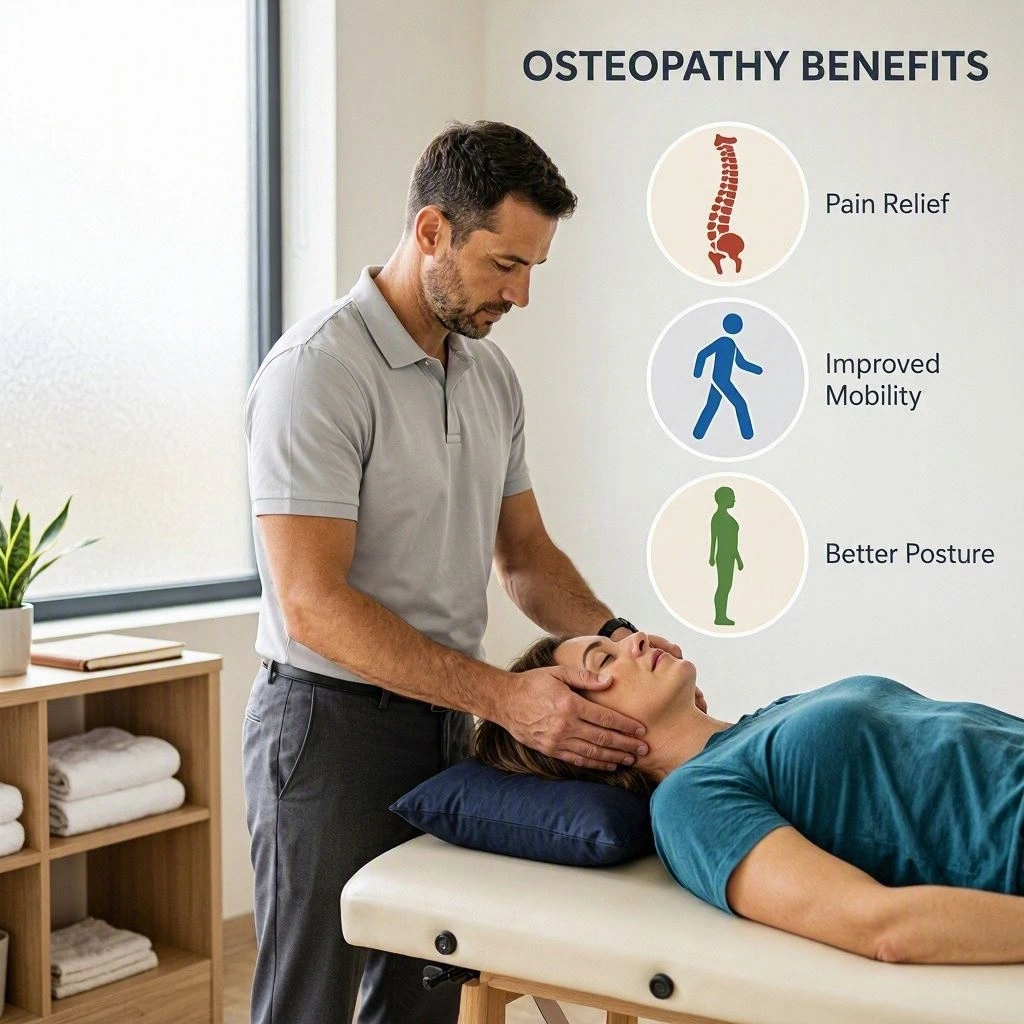
Osteopathic treatment may help some people manage musculoskeletal hip pain by addressing movement limitations, muscular discomfort, and factors that affect everyday function. The specific approach depends on the clinical assessment and the likely cause of symptoms.
1. Comprehensive Movement Assessment
An osteopath may begin by discussing your symptoms, previous injuries, medical history, work demands, and activity levels.
The physical assessment may include:
- Hip movement in different directions.
- Movement of the pelvis and lower back.
- Muscle function around the hip and thigh.
- Walking and other functional movements.
- Activities that increase or reduce discomfort.
- Relevant neurological signs when indicated.
This assessment helps determine whether conservative musculoskeletal care may be appropriate or whether medical investigation is needed.
Hip pain should not automatically be attributed to tight muscles or restricted movement. Osteoarthritis, fractures, infection, and other conditions may require different care.
2. Gentle Joint Mobilization
Joint mobilization involves controlled manual movements intended to improve comfortable movement or reduce symptoms.
When appropriate, an osteopath may use gentle techniques around the hip or related areas. The technique and intensity should be selected according to the person’s condition, tolerance, and treatment goals.
Manual treatment does not physically restore damaged cartilage or guarantee lasting improvements. Its potential value is best assessed by whether it helps the person move more comfortably and participate in active rehabilitation.
3. Soft-Tissue Techniques
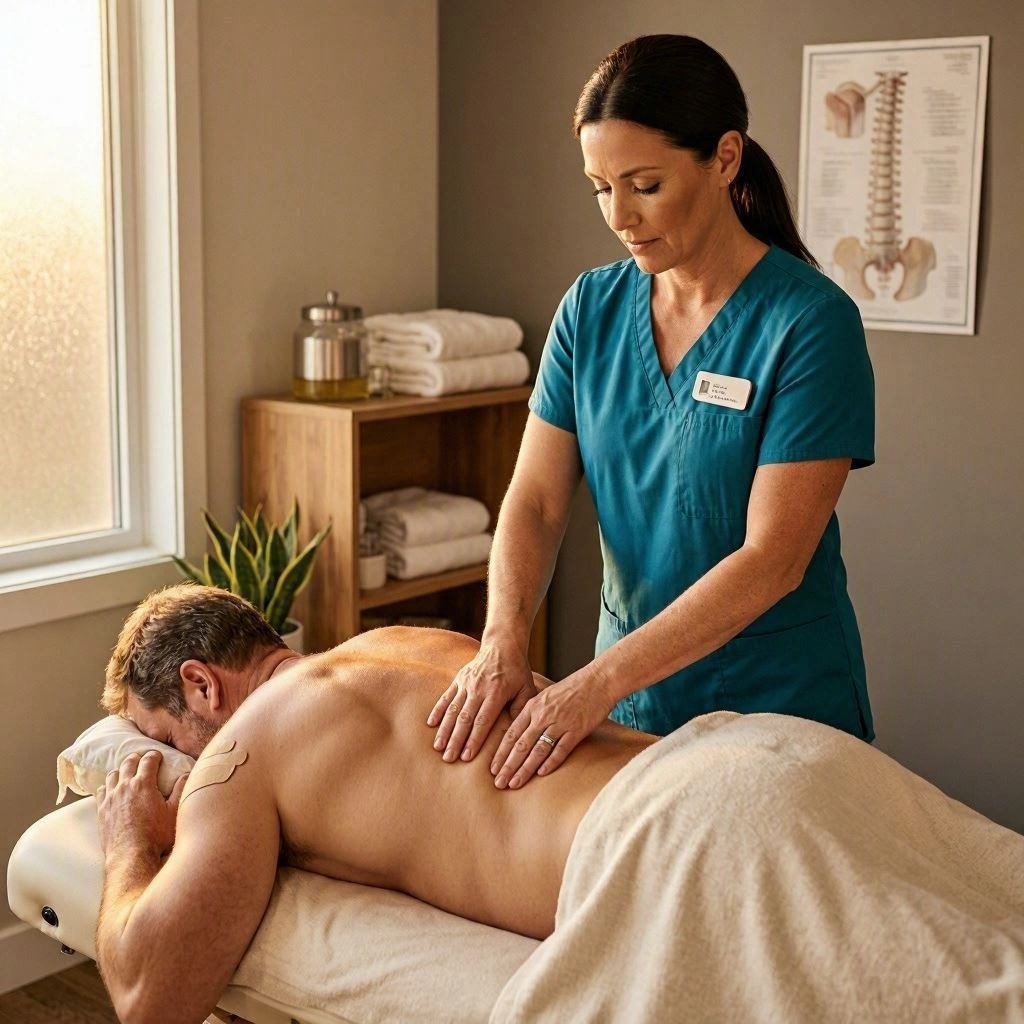
Soft-tissue techniques may involve gentle pressure or manual treatment directed at muscles and surrounding tissues.
Some people find these approaches helpful for short-term symptom relief or comfort during movement. However, they should not be used to suggest that all hip pain results from muscle tension.
If a tendon is highly irritable, direct pressure may worsen symptoms. Treatment should therefore be adapted to the location of pain and the suspected condition.
4. Mobility Exercises
An osteopath may recommend gentle movements to help maintain or gradually improve the hip’s available range of motion.
Examples may include comfortable hip flexion, gentle rotation, or controlled movements performed while sitting or lying down.
Exercises should not force the joint into a painful range. If pain increases substantially or continues to worsen after movement, the exercise plan should be reviewed.
5. Strengthening and Functional Rehabilitation (Osteopathy for Hip Pain)
Strengthening may be particularly important when hip pain is associated with muscle weakness, tendon problems, or reduced physical capacity.
Depending on the assessment, a rehabilitation plan may include gluteal strengthening, controlled sit-to-stand movements, balance exercises, and progressive walking.
Strengthening helps build the capacity needed for everyday activities. It is not simply an optional addition to hands-on treatment.
For conditions such as hip osteoarthritis and gluteal tendinopathy, an appropriate exercise program may play a major role in improving function.
6. Activity Modification and Self-Management
Osteopathy may also involve advice on changing activities temporarily while symptoms settle.
For example, someone with outer hip pain may need to reduce prolonged pressure on the affected side. A runner with an overuse injury may need to adjust training volume while maintaining fitness through a tolerable alternative.
The goal is to avoid repeatedly aggravating the condition while maintaining appropriate movement and gradually rebuilding capacity.
What Happens During an Osteopathy Appointment?
Your first appointment usually begins with a discussion about your symptoms and the activities affected by the pain.
You may be asked when the symptoms started, whether an injury occurred, how far you can walk, and whether pain affects sleep or work.
The practitioner may then assess hip mobility, muscle function, walking, and relevant movement patterns. Depending on the findings, they may also examine the lower back or other areas that could contribute to the symptoms.
If osteopathic treatment is appropriate, the session may include manual techniques, movement advice, and exercises. The practitioner should explain the proposed treatment and answer questions about its purpose and limitations.
If symptoms suggest a fracture, infection, significant joint injury, or another condition requiring medical investigation, referral should take priority over routine manual treatment.
Treatment plans vary according to the individual. Some people may need a short period of support, while others with persistent symptoms may benefit from a longer rehabilitation plan that includes regular reassessment.
Exercises That May Support Hip Pain Recovery
The following exercises are examples of movements that may be useful for some people with uncomplicated musculoskeletal hip pain. They are not suitable for every condition, and they should not be started if you have severe unexplained pain or a suspected serious injury.
Start gently and stay within a comfortable range. Stop if an exercise causes sharp pain, substantial worsening, or new symptoms.
Exercise 1: Gentle Hip Flexion
This movement helps you practice bending the hip in a controlled way.
How to perform it:
- Lie on your back with both legs comfortably extended.
- Slowly bend one knee and slide the foot toward your body.
- Move only as far as you can comfortably tolerate.
- Pause briefly if the movement feels comfortable.
- Return to the starting position slowly.
Repeat on the affected side only if the movement is appropriate for your symptoms. Do not force the knee toward your chest.
Exercise 2: Gluteal Contractions
The gluteal muscles help support hip movement and pelvic control.
How to perform it:
- Lie on your back with your knees bent and feet supported.
- Gently tighten the muscles of your buttocks.
- Hold the contraction for a few seconds while breathing normally.
- Relax completely.
- Repeat at a comfortable intensity.
This is a low-load exercise that may be suitable for some people who find larger movements uncomfortable.
Exercise 3: Sit-to-Stand
Sit-to-stand practice helps prepare the hip muscles for everyday activities.
How to perform it:
- Sit on a stable chair at a comfortable height.
- Place your feet flat on the floor.
- Lean forward slightly from your hips.
- Push through your feet and stand up slowly.
- Sit down with control.
Use your hands for support if needed. If the movement causes significant hip or groin pain, stop and seek guidance before continuing.
Exercise 4: Supported Standing Hip Abduction
Hip abduction involves moving the leg away from the body’s midline. This movement can help strengthen the muscles around the side of the hip.
How to perform it:
- Stand beside a stable counter or chair.
- Hold the support lightly.
- Keep your trunk upright.
- Move one leg a short distance out to the side without leaning your body.
- Return to the starting position slowly.
Use a small range at first. This exercise may not be appropriate during a painful flare of outer hip or gluteal tendon symptoms.
Exercise 5: Gentle Walking
Walking can help maintain general physical activity when it is comfortable and appropriate for the condition.
Start with a manageable distance on level ground. Increase the duration gradually if symptoms remain stable.
If walking causes worsening pain, limping, or difficulty bearing weight, reduce the activity and seek professional advice.
How Often Should You Exercise?
The appropriate exercise frequency depends on the diagnosis, severity of symptoms, and current physical capacity. There is no single schedule that suits everyone with hip pain.
A physiotherapist or osteopath can help select suitable exercises and determine when to increase repetitions, resistance, or duration. Consistency is generally more useful than repeatedly pushing through pain.
Osteopathy for Hip Osteoarthritis
Hip osteoarthritis is a common cause of pain and stiffness, especially in older adults. Symptoms may affect walking, stair climbing, bending, and standing after prolonged sitting.
Osteopathic care may provide complementary support for selected people by helping them move more comfortably and identify practical activity modifications. However, it is important to understand the limits of manual therapy.
Osteopathy does not reverse cartilage loss, remove bone spurs, or cure osteoarthritis. It should not replace recommended medical care or an appropriate exercise program.
Management may include:
- Strengthening exercises.
- Regular, tolerable physical activity.
- Adjustments to activities that aggravate symptoms.
- Weight management when appropriate.
- Pain-relief options discussed with a healthcare professional.
- Further medical assessment if symptoms significantly affect quality of life.
The NICE osteoarthritis guidance emphasizes therapeutic exercise and other individualized management options. If symptoms remain substantially limiting despite non-surgical care, a clinician may discuss whether referral for joint replacement assessment is appropriate.
Osteopathy for Hip Pain in Runners and Athletes
Running and sports place repeated demands on the hip muscles, tendons, and joint. Training errors, insufficient recovery, sudden increases in intensity, and previous injuries may contribute to symptoms.
Osteopathic assessment may help identify movement limitations and guide a plan for managing symptoms. However, returning to sport generally requires more than hands-on treatment.
A rehabilitation plan may involve:
- Reducing the activity that provokes symptoms.
- Maintaining fitness through suitable alternatives.
- Rebuilding hip and lower-limb strength.
- Gradually increasing running or sport-specific movements.
- Monitoring symptoms during and after activity.
- Returning to full training when function and tolerance have improved sufficiently.
The appropriate progression depends on the injury. A suspected stress fracture, significant muscle tear, or acute joint injury requires medical assessment before attempting a return-to-sport program.
How Long Does Recovery From Hip Pain Take?
Recovery time varies widely because hip pain can result from different conditions.
A mild muscle strain may improve over several weeks, while tendon problems and persistent joint conditions can require months of structured management. Hip osteoarthritis is a long-term condition that is generally managed rather than cured.
Recovery depends on factors such as:
- The underlying diagnosis.
- The severity and duration of symptoms.
- The physical demands of work and sport.
- Muscle strength and general fitness.
- Other medical conditions.
- Consistency with rehabilitation.
- The response to treatment and activity modification.
Instead of focusing only on pain, progress can also be assessed by walking distance, stair climbing, sleep quality, hip movement, and the ability to perform everyday activities.
If symptoms are not improving or continue to worsen, the diagnosis and treatment plan may need to be reviewed.
When Is Osteopathy Not Appropriate?
Osteopathy is not the right first step for every case of hip pain. Some symptoms require urgent medical assessment before manual treatment or exercise is considered.
Seek urgent medical care if you experience:
- Severe hip pain after a fall or significant injury.
- Inability to walk or put weight on the affected leg.
- Sudden, severe hip pain without an obvious explanation.
- A hot, swollen hip or skin colour changes around the joint.
- Hip pain accompanied by fever or feeling seriously unwell.
You should also arrange medical assessment for persistent unexplained pain, progressive symptoms, significant night pain, or new neurological symptoms.
A clinician may recommend imaging or other investigations when a fracture, infection, inflammatory condition, or another serious cause is suspected.
The NHS guidance on hip pain explains common causes, self-management options, and warning signs that need medical attention.
Osteopathy for Hip Pain at Ritz Clinics
Hip pain can interfere with walking, exercise, work, sleep, and everyday comfort. Understanding the likely source of the symptoms is an important step toward choosing appropriate treatment.
At Ritz Clinics, osteopathy services focus on musculoskeletal assessment, movement, and individualized treatment planning. Depending on the findings, an appointment may include appropriate hands-on techniques, mobility guidance, exercise recommendations, and strategies for managing aggravating activities.
Our osteopathy clinic provides information about the service and the types of musculoskeletal concerns that may be assessed. The appropriate treatment depends on your symptoms, medical history, and clinical findings.
For people with persistent hip pain, treatment should support practical improvements such as walking more comfortably, climbing stairs, and returning gradually to suitable activities. Manual treatment may complement this process, but it should not replace medical care when another condition needs investigation.
If hip pain is affecting your routine, you can contact Ritz Clinics to discuss an assessment and determine whether osteopathic care is suitable for your needs.
Frequently Asked Questions About Osteopathy for Hip Pain
1. Can osteopathy help with hip pain?
Osteopathy may help some people with musculoskeletal hip pain by addressing movement limitations and providing short-term symptom relief. Results depend on the underlying condition. Exercise and medical management may also be necessary.
2. What causes hip pain?
Common causes include osteoarthritis, tendon problems, muscle strains, bursitis, and referred pain from the lower back. The location and pattern of symptoms can provide clues, but an assessment is needed to determine the likely cause.
3. How many osteopathy sessions are needed for hip pain?
There is no fixed number. The number of appointments depends on the diagnosis, severity, response to treatment, and rehabilitation goals. Progress should be reviewed regularly, and treatment should be adjusted if symptoms are not improving.
4. Is osteopathy better than physiotherapy for hip pain?
Neither is automatically better for every person. Osteopathy often includes hands-on musculoskeletal treatment, while physiotherapy commonly emphasizes exercise-based rehabilitation and functional recovery. Both approaches can overlap. The most appropriate option depends on the condition and the individual’s needs.
5. Can osteopathy help with hip osteoarthritis?
Osteopathy may provide complementary symptom management for some people, but it cannot reverse osteoarthritis or restore lost cartilage. Therapeutic exercise, activity management, and appropriate medical care remain important parts of treatment.
6. Should I walk if my hip hurts?
Gentle walking may be appropriate for some musculoskeletal conditions, provided it does not significantly worsen symptoms. If you cannot bear weight, have severe pain, or are limping substantially after an injury, seek medical assessment rather than trying to walk through the pain.
7. Can hip pain come from the lower back?
Yes. Problems involving the lower back or nerves may cause pain around the buttock or upper thigh. An assessment can help determine whether symptoms are primarily related to the hip, spine, or more than one structure.
8. What exercises are best for hip pain?
Suitable exercises depend on the diagnosis. Some people may benefit from gluteal strengthening, sit-to-stand practice, gentle mobility work, or walking. Others need to avoid particular movements temporarily. A tailored program is preferable to using the same exercises for every hip condition.
9. When should I see a healthcare professional for hip pain?
Arrange an assessment if pain persists, worsens, affects sleep, or limits normal activities. Seek urgent care for severe pain after an injury, sudden inability to bear weight, a hot swollen joint, or pain accompanied by fever and feeling unwell.
10. Can osteopathy prevent hip pain from returning?
No treatment can guarantee that hip pain will not return. However, understanding activity triggers, improving appropriate strength, progressing exercise gradually, and managing underlying conditions may help reduce the risk of recurrent symptoms.
Conclusion
Osteopathy for hip pain may provide complementary support for people experiencing musculoskeletal discomfort, stiffness, or movement limitations. A thorough assessment helps identify the likely cause of symptoms and determine whether hands-on treatment, exercise, activity modification, or medical referral is appropriate.
For many hip conditions, lasting improvements depend on more than passive treatment. Progressive strengthening, suitable physical activity, and practical changes to daily routines can help restore function and support long-term management.
Hip pain should not automatically be attributed to muscle tightness or restricted movement. If symptoms are severe, persistent, or associated with warning signs, medical assessment is essential.
If hip pain is affecting your daily activities, an individualized assessment at Ritz Clinics can help you understand the available treatment options and identify appropriate next steps toward improved mobility and function.