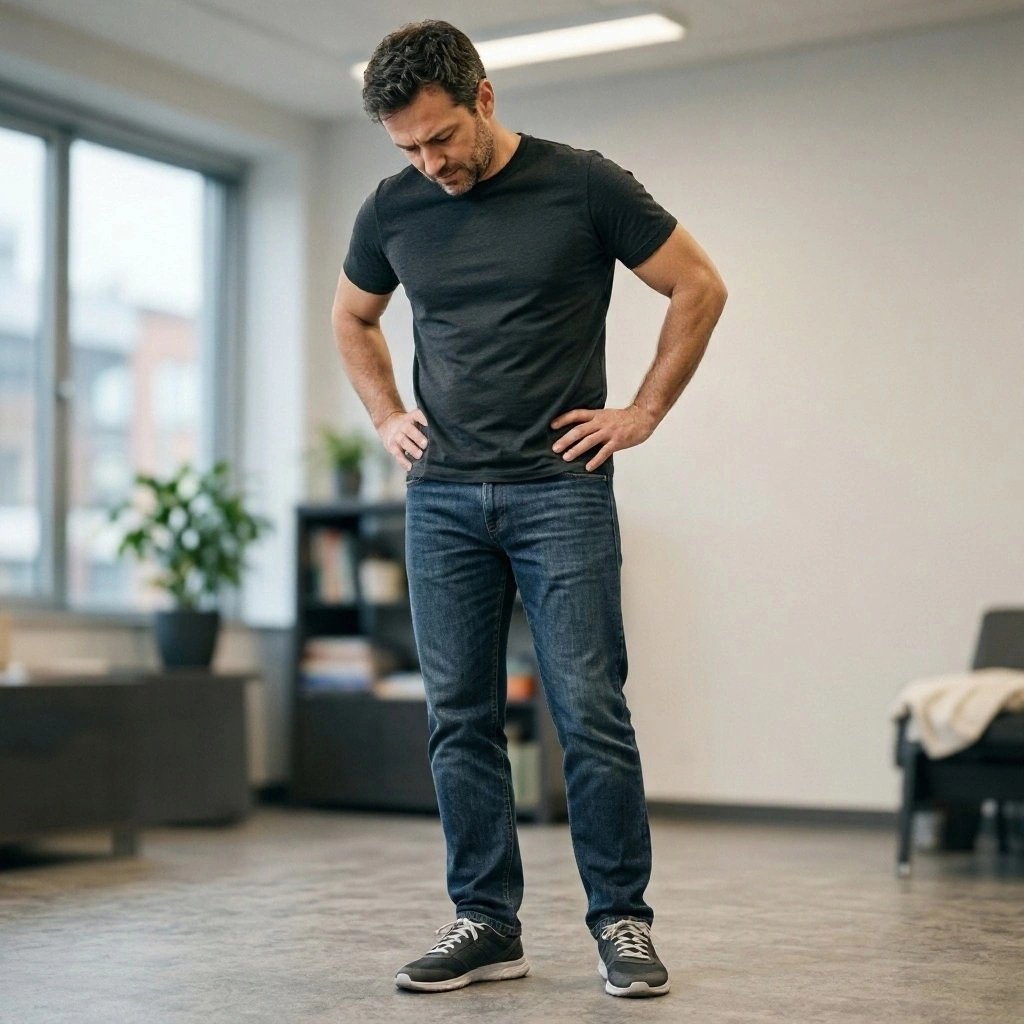
Why Does the Bottom of My Foot Hurt After Standing All Day?
If you have ever finished a long workday with aching, burning, or throbbing feet, you may have wondered, why does the bottom of my foot hurt after standing all day? This discomfort is common among people who spend hours working on their feet, including healthcare workers, retail employees, teachers, restaurant staff, and warehouse workers.
Standing for extended periods places repeated pressure on the tissues that support your body weight. Over time, this pressure can irritate the plantar fascia, muscles, joints, and other structures in the foot. Unsupportive footwear, hard flooring, and limited opportunities to rest may make the discomfort worse.
However, the location and pattern of pain matter. Pain beneath the heel may have a different cause from burning discomfort beneath the toes or aching along the arch.
The good news is that many causes of foot pain can be managed with appropriate footwear, activity adjustments, gentle exercises, and professional guidance when necessary.
This guide explains the most common reasons your feet hurt after standing, how to recognize possible causes, and what you can do to improve comfort and protect your foot health.
Why Does the Bottom of My Foot Hurt After Standing All Day?
The bottom of your foot may hurt after prolonged standing because the tissues responsible for supporting your body weight experience repeated mechanical stress.
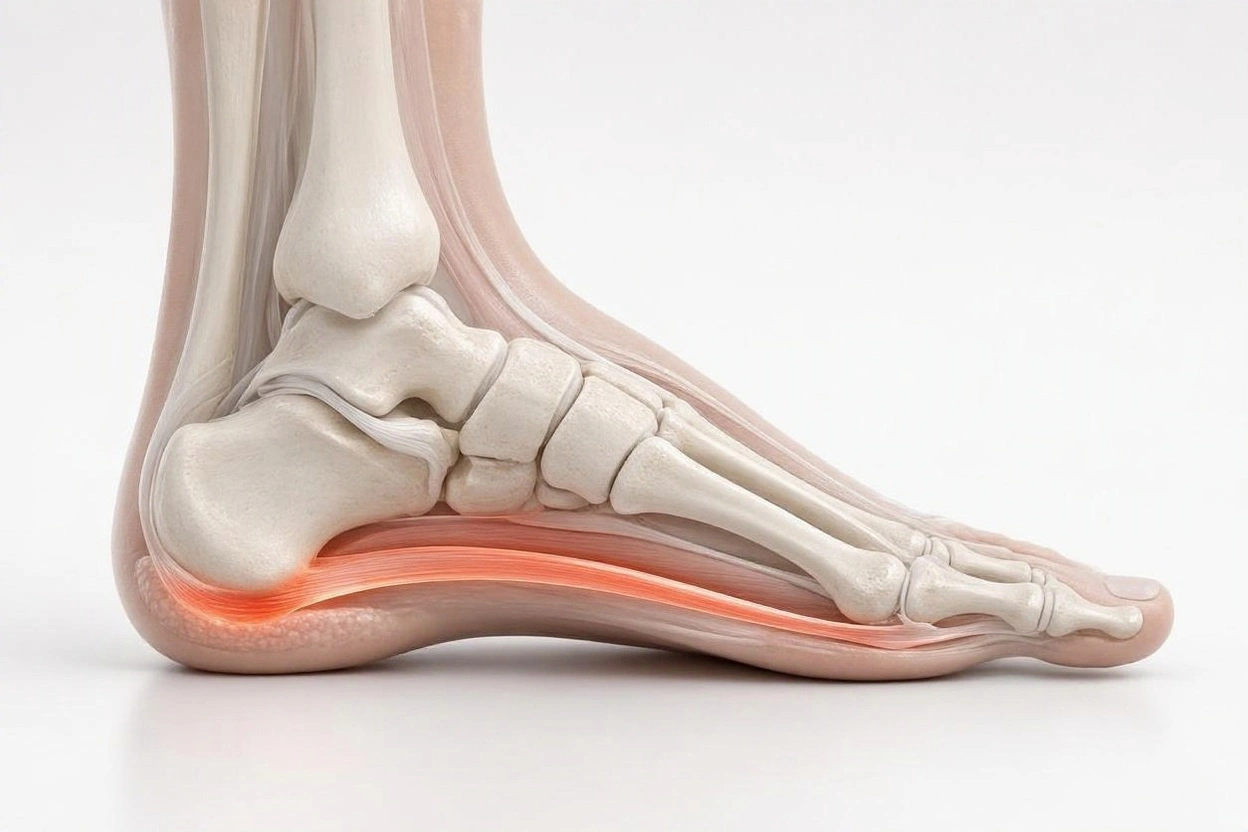
Your feet contain bones, ligaments, tendons, muscles, nerves, and a strong band of connective tissue called the plantar fascia. Together, these structures distribute pressure, maintain stability, and help your body move efficiently.
When you stand for several hours, your feet continuously support your body weight. If the floor is hard, your shoes provide insufficient cushioning, or your feet are not accustomed to the workload, certain areas may become irritated.
Several conditions can contribute to this discomfort, including:
- Plantar fasciitis or plantar heel pain.
- Metatarsalgia, which affects the ball of the foot.
- Flat feet or high arches.
- Muscle fatigue and overuse.
- Unsupportive or poorly fitting footwear.
- Nerve irritation, including Morton’s neuroma.
- Stress injuries involving the foot bones.
Sometimes, discomfort is temporary and improves after resting. However, recurring or worsening pain may indicate an underlying condition that deserves assessment.
7 Common Causes of Foot Pain After Standing All Day
Understanding where the pain occurs can help identify possible contributing factors. Nevertheless, symptoms alone cannot establish a diagnosis.
According to the NHS guide to common causes of pain in the bottom of the foot, several conditions, including plantar fasciitis, Morton’s neuroma, and flat feet, can contribute to discomfort beneath the foot.
Below are seven common causes of foot pain after prolonged standing, along with their symptoms and possible contributing factors.
1. Plantar Fasciitis
Plantar fasciitis is one of the most common causes of pain beneath the heel and along the arch.
The plantar fascia is a thick band of connective tissue extending from the heel bone toward the toes. It supports the foot’s arch and helps manage forces during standing, walking, and running.
When this tissue experiences excessive or repeated loading, it can become irritated and painful.
Common symptoms include:
- Sharp or stabbing pain beneath the heel.
- Discomfort extending toward the arch.
- Pain during the first steps after waking up.
- Increased discomfort after prolonged standing or walking.
- Tenderness when pressure is applied to the heel.
Interestingly, plantar fascia pain may improve temporarily after moving around but return after several hours of activity.
People who stand on hard surfaces, wear unsupportive shoes, or suddenly increase their activity levels may be more susceptible.
According to the NHS, plantar fasciitis commonly causes pain around the heel and arch, particularly after periods of rest and during prolonged weight-bearing activities.
2. Metatarsalgia (Pain in the Ball of the Foot)
Metatarsalgia refers to pain around the ball of the foot, directly beneath the metatarsal bones near the toes.
This region absorbs considerable pressure when you walk, stand, or push off the ground. Prolonged standing can aggravate symptoms, especially when pressure is concentrated beneath particular metatarsal heads.
Common symptoms include aching, burning, tenderness, and discomfort when placing weight on the front of the foot.
Footwear with narrow toe boxes, high heels, or inadequate cushioning may contribute to increased pressure in this area.
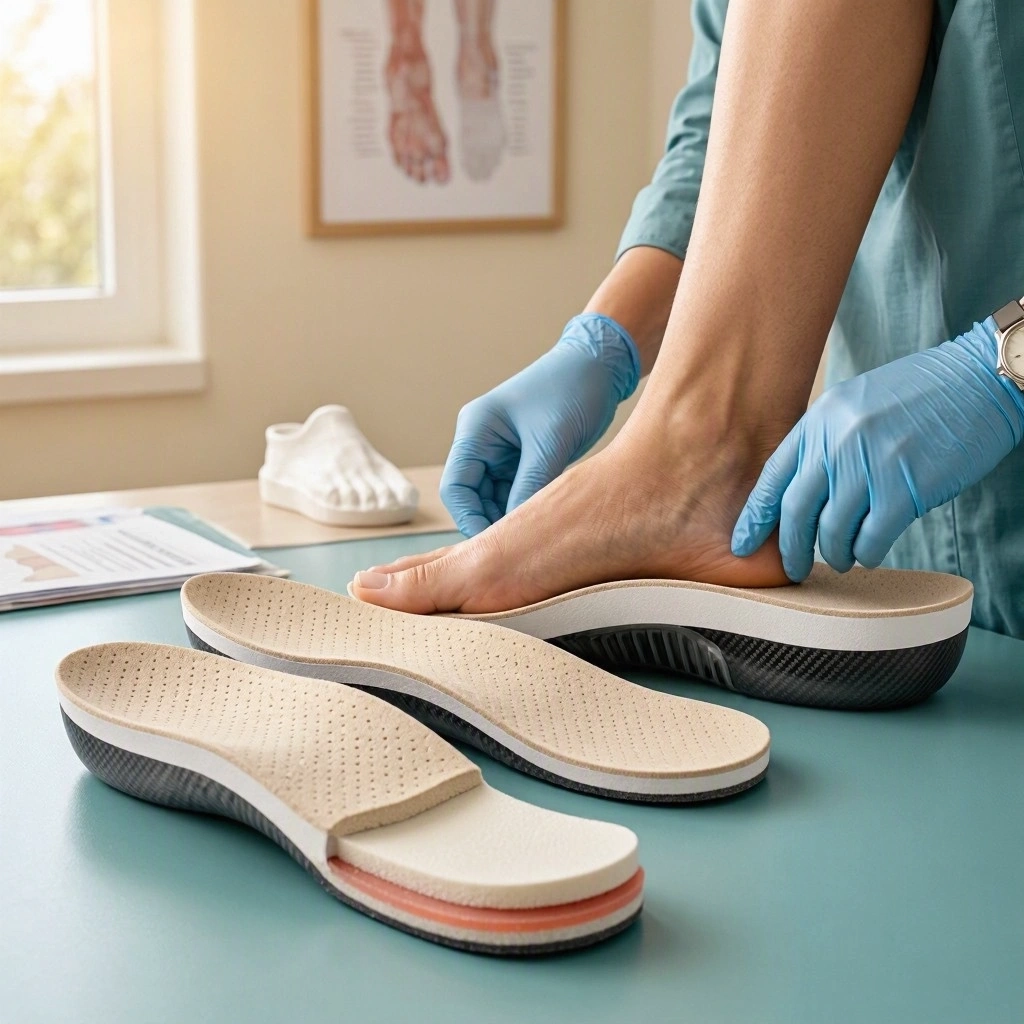
For individuals experiencing persistent forefoot discomfort, custom orthotics for metatarsal pain may help redistribute pressure and improve comfort during everyday activities. However, the most appropriate treatment depends on the underlying cause of the pain.
Typical symptoms include:
- Aching or burning beneath the toes.
- Sharp pain when standing or walking.
- Tenderness around the forefoot.
- A sensation similar to having a small stone inside your shoe.
- Occasional tingling or swelling.
Footwear with narrow toe boxes, high heels, inadequate cushioning, or excessive wear may contribute to forefoot discomfort.
Metatarsalgia can also occur alongside certain foot deformities or other conditions.
If the discomfort is concentrated beneath the toes rather than the heel, this condition may be worth discussing with a healthcare professional.
3. Flat Feet and Fallen Arches
Flat feet occur when the arches are lower than usual or flatten considerably during standing.
Some people naturally have flat feet and never experience discomfort. However, others may develop symptoms when prolonged standing increases the demand on the structures supporting the arch.
Possible symptoms include:
- Aching along the inner arch.
- Fatigue after extended periods of standing.
- Discomfort around the heel or ankle.
- Swelling along the inside of the foot.
- Reduced comfort during prolonged walking.
Flat feet do not automatically require treatment. However, if they are associated with pain or reduced function, footwear assessment, rehabilitation, and selected orthotic options may help.
4. High Arches and Uneven Pressure Distribution
High arches can also contribute to foot discomfort.
When the arch is particularly elevated, pressure may become concentrated beneath the heel and ball of the foot.
As a result, standing for long periods may create discomfort in these areas.
People with symptomatic high arches may experience:
- Pain beneath the heel.
- Burning or aching beneath the toes.
- Calluses in pressure-sensitive areas.
- Ankle instability.
- Difficulty finding comfortable shoes.
The appropriate solution depends on the individual’s foot structure and symptoms. Supportive footwear and professionally selected orthotics may help certain individuals.
5. Foot Muscle Fatigue and Overuse
Your feet contain small muscles that contribute to stability, balance, and movement.
During prolonged standing, these muscles remain active to help maintain your position and support normal foot function.
If the workload exceeds your usual activity level, muscular fatigue may develop.
This can produce:
- Generalized aching across the sole.
- A tired or heavy sensation in the feet.
- Discomfort that increases toward the end of the day.
- Temporary stiffness after sitting down.
Muscle fatigue may be more noticeable when someone suddenly starts a job that requires several hours of standing.
Gradual conditioning, appropriate footwear, and opportunities to change positions may help improve tolerance.
6. Morton’s Neuroma and Nerve Irritation
Morton’s neuroma involves irritation and thickening of tissue surrounding a nerve, commonly between the third and fourth toes.
It can cause discomfort in the ball of the foot, particularly when wearing tight shoes or placing pressure on the forefoot.
Symptoms may include:
- Burning pain beneath the toes.
- Tingling or numbness.
- Shooting discomfort into the toes.
- A sensation of having a pebble inside your shoe.
Unlike general muscle fatigue, nerve-related pain may include unusual sensations such as tingling or burning.
Persistent symptoms should be evaluated to determine whether nerve irritation or another condition is responsible.
7. Stress Injuries and Other Foot Conditions
Repetitive loading can sometimes cause a stress injury involving one of the foot bones.
This may occur when walking, running, or standing demands increase faster than the bones can adapt.
Symptoms may include localized pain, tenderness, and sometimes swelling.
Unlike ordinary end-of-day fatigue, a stress injury may become increasingly painful with activity and may eventually cause discomfort during routine walking.
Other conditions, including arthritis and tendon disorders, can also contribute to pain beneath or around the foot.
Do not assume that persistent, localized pain is simply the result of standing too long. A healthcare professional can determine whether further investigation is needed.
How Does Foot Pain Feel After Standing All Day?
The type of discomfort can provide useful clues about the structures involved.
However, similar symptoms can occur with different conditions, so these patterns should not be used as a substitute for diagnosis.
| Type of discomfort | Possible contributing condition |
|---|---|
| Sharp pain beneath the heel | Plantar fasciitis |
| Aching along the arch | Plantar fascia irritation or flat feet |
| Burning beneath the toes | Metatarsalgia or nerve irritation |
| Tingling in the toes | Possible nerve involvement |
| Generalized soreness across the sole | Muscle fatigue or mechanical overload |
| Localized pain with swelling | Possible injury or inflammation |
Pay attention to when the discomfort begins, whether it improves with rest, and whether it returns during particular activities.
These details can help a healthcare professional understand your symptoms.
How to Relieve Foot Pain After Standing All Day
The best approach depends on the cause of the pain. Nevertheless, several practical strategies may help reduce discomfort associated with prolonged standing.
1. Rest and Elevate Your Feet
After a demanding day, take a break from prolonged weight-bearing activities.
Elevating your feet comfortably while resting may help reduce swelling and provide relief.
However, complete inactivity is not necessary for every type of foot pain. Appropriate movement and gradual rehabilitation may be more helpful than avoiding activity altogether.
2. Apply a Cold Pack
Cold therapy may help temporarily reduce discomfort in some people.
Wrap a cold pack in a towel and place it over the painful area for approximately 15–20 minutes.
Never place ice directly against your skin.
Stop if the area becomes unusually uncomfortable, and avoid unsupervised cold treatment if you have reduced sensation or circulation problems.
3. Choose Supportive Shoes
Footwear is one of the most important factors to consider when managing pain caused by prolonged standing.
Look for shoes that provide:
- Comfortable cushioning.
- Appropriate arch support.
- A stable and secure fit.
- Adequate toe-box width.
- A comfortable heel height.
- Enough room for any recommended orthotic inserts.
Avoid relying on worn-out shoes that have lost their cushioning or structural support.
Additionally, shoes should be selected according to your foot shape and daily activities.
4. Consider Appropriate Insoles
Some people benefit from cushioned insoles, arch supports, or heel pads.
These products may improve comfort by modifying pressure distribution beneath the foot.
However, custom orthotics are not necessary for everyone. Standard inserts may be sufficient for some individuals, while others may require a more individualized solution.
The appropriate option depends on the underlying problem, foot structure, and response to treatment.
5. Take Regular Movement Breaks
Standing in one position for hours can increase discomfort.
Whenever possible, alternate between sitting, standing, and gentle walking.
If your job allows it, change positions periodically and avoid remaining stationary for unnecessarily long periods.
A footrest or an appropriate anti-fatigue floor mat may also improve comfort in certain workplaces.
6. Modify Activities Temporarily
If running, jumping, or long walks aggravate your symptoms, consider reducing the intensity or duration of those activities temporarily.
Low-impact activities, such as swimming or comfortable cycling, may be suitable alternatives for some people.
However, activity modification should reflect the underlying condition. Suspected fractures and significant injuries require professional guidance before continuing exercise.
Helpful Foot Stretches and Exercises
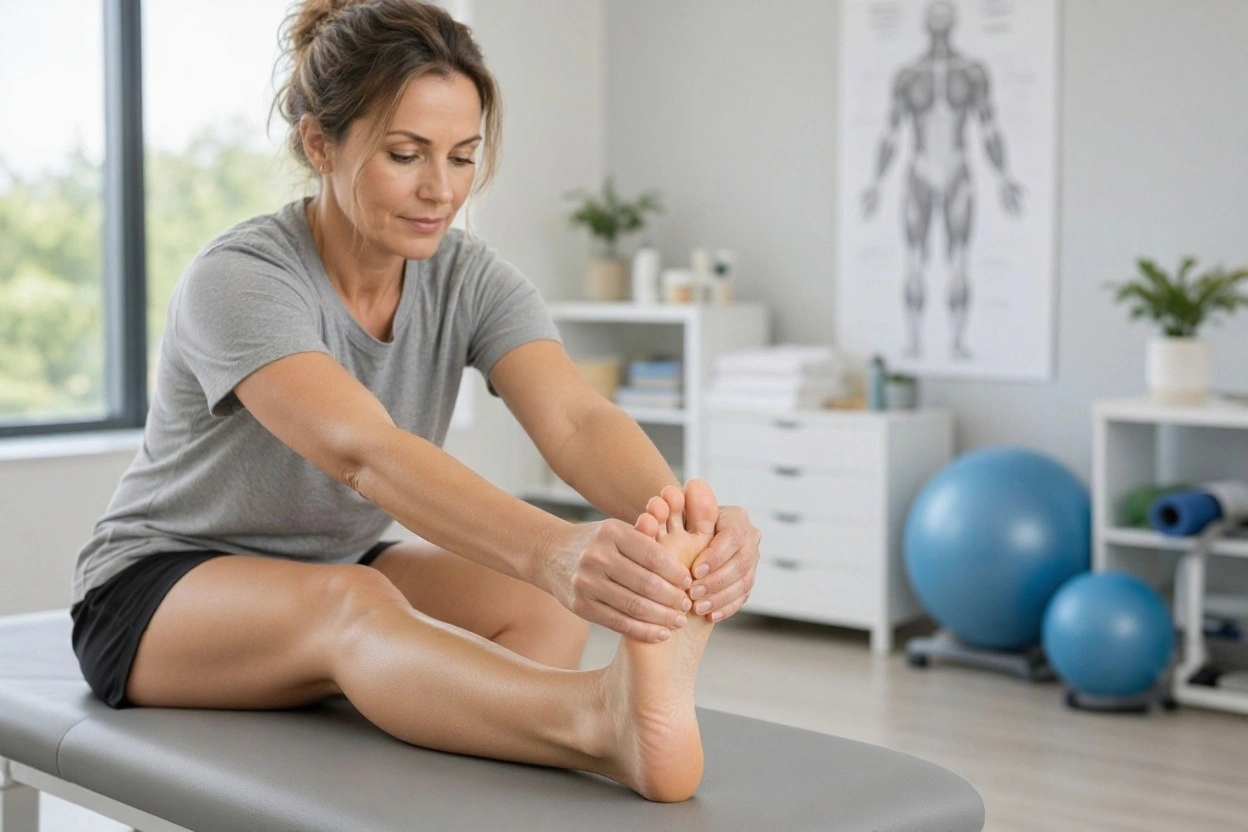
Gentle exercises may help maintain flexibility and support foot function.
The following options are generally used for mobility and conditioning. They are not a treatment for every cause of foot pain.
Stop if an exercise causes pain, and seek professional advice if you have an injury or unexplained symptoms.
1. Plantar Fascia Stretch
Sit comfortably and place one ankle across the opposite knee.
Gently pull your toes backward until you feel a mild stretch along the sole of your foot.
Hold for approximately 15–20 seconds, then relax.
Repeat a few times if comfortable.
This movement gently stretches the tissues along the bottom of the foot.
2. Calf Stretch
Stand facing a wall and place both hands against it.
Move one foot behind the other, keeping the back heel on the floor.
Bend your front knee slightly and lean forward until you feel a gentle stretch in the calf of your back leg.
Hold for approximately 20 seconds, then switch sides.
Avoid forcing the movement or stretching through pain.
3. Gentle Foot Rolling
Sit in a comfortable position and place a small massage ball beneath your foot.
Slowly roll it beneath the arch using gentle pressure.
Continue for a short period, avoiding any area that feels particularly painful.
This may provide temporary comfort for some people, although it does not correct the underlying cause of persistent foot pain.
4. Ankle Mobility Exercises
While sitting, slowly move your ankle upward and downward within a comfortable range.
You can also make small, controlled circles with your foot.
These movements help maintain ankle mobility without requiring prolonged weight-bearing.
5. Towel Scrunches
Place a small towel on the floor in front of you.
While seated, gently use your toes to gather the towel toward your foot.
Relax and repeat several times if comfortable.
This exercise activates some of the small muscles in the foot.
If you have significant pain, swelling, or a suspected injury, ask a healthcare professional before beginning strengthening exercises.
How to Prevent Foot Pain When Standing All Day
Preventing recurring discomfort often requires small changes to your footwear, working environment, and daily routine.
Wear Appropriate Work Shoes
Choose footwear that fits correctly and provides suitable cushioning and support.
Replace shoes when the soles become excessively worn or the cushioning deteriorates.
Use an Anti-Fatigue Mat
If you work at a counter, workstation, or another fixed standing position, an appropriate anti-fatigue mat may improve comfort.
It can provide a more forgiving surface than hard flooring.
Alternate Your Position
Avoid standing completely still for extended periods.
Where possible, alternate between sitting, standing, and walking.
Build Activity Gradually
If you are starting a new job or increasing your daily walking, allow your feet time to adapt.
Sudden increases in physical activity can increase mechanical stress on the feet.
Maintain Foot and Ankle Mobility
Gentle mobility exercises and appropriate strengthening can help maintain normal movement and support everyday activities.
The exercises should be suitable for your current condition and physical abilities.
Replace Worn Footwear
Shoes that look acceptable on the outside may have lost their original support.
Regularly inspect the soles, heel stability, and internal cushioning.
Consider Professional Footwear Assessment
If you repeatedly experience pain despite changing your shoes, a healthcare professional may assess your foot structure, movement, and footwear needs.
This can help determine whether supportive insoles, custom orthotics, or rehabilitation may be appropriate.
When Should You See a Doctor or Physiotherapist?
Occasional foot soreness after a demanding day may improve with rest and appropriate footwear.
However, certain symptoms should not be ignored.
Arrange a medical assessment if:
- Pain interferes with normal daily activities.
- Symptoms continue or repeatedly return.
- Home care has not improved the pain after approximately two weeks.
- You experience tingling, numbness, or weakness.
- Walking becomes increasingly uncomfortable.
- You have diabetes and develop new foot pain.
Seek urgent medical attention if you experience severe pain, cannot walk, have a visibly deformed foot following an injury, or develop significant swelling after trauma.
A hot, red, swollen foot, an open wound, or signs of infection also require prompt assessment.
People with diabetes, reduced sensation, or circulation problems should seek professional advice early because foot complications may be more serious.
How Can Physiotherapy Help With Foot Pain?
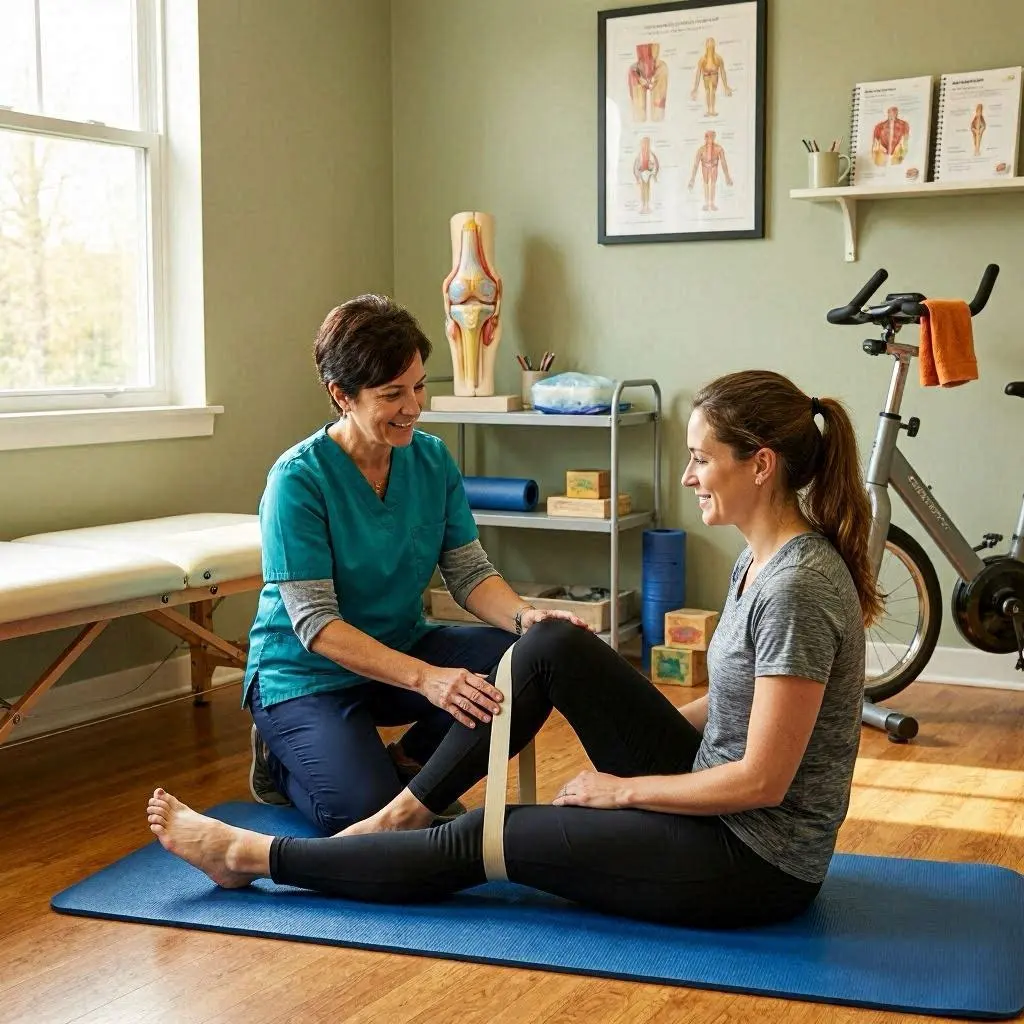
Physiotherapy may be useful when foot pain is associated with mobility limitations, muscular weakness, recurring mechanical stress, or difficulty returning to normal activities.
A physiotherapist may assess:
- Foot and ankle mobility.
- Calf flexibility.
- Muscle strength.
- Walking patterns.
- Balance and stability.
- Footwear and activity demands.
Based on the findings, treatment may include individualized exercises, mobility training, progressive strengthening, education, and activity modification.
The objective is to improve function and address relevant contributing factors rather than simply provide temporary symptom relief.
For some people, orthotic support may also be considered as part of a broader management plan.
At Ritz Clinic, you can explore the available physiotherapy services and custom orthotics options.
Frequently Asked Questions
1. Why do the bottoms of my feet hurt after standing for several hours?
Prolonged standing places repeated pressure on the plantar fascia, muscles, joints, and other supporting tissues. Unsupportive shoes, hard flooring, and limited movement breaks may increase discomfort. Persistent pain can also be associated with plantar fasciitis, metatarsalgia, or other foot conditions.
2. Is foot pain after standing all day normal?
Temporary soreness can occur after an unusually demanding day. However, frequent, worsening, or persistent pain should not automatically be considered normal. If discomfort interferes with walking or continues despite appropriate self-care, arrange an assessment.
3. Can standing on concrete cause foot pain?
Yes. Hard surfaces such as concrete may contribute to discomfort by providing less cushioning beneath the feet. Supportive footwear, appropriate floor mats, and regular changes in position may improve comfort.
4. Why do my heels hurt after standing all day?
Heel pain may result from repetitive loading, plantar fascia irritation, unsuitable footwear, or other conditions. Plantar fasciitis is a common possibility, particularly when pain is worse during the first steps after waking up or after resting.
5. Why does the arch of my foot hurt after standing?
Arch discomfort may be associated with plantar fascia irritation, flat feet, high arches, or muscle fatigue. The location and timing of pain can help a healthcare professional determine which structures may be involved.
6. What shoes are best for standing all day?
The best shoes provide a comfortable fit, appropriate cushioning, sufficient toe space, and support suited to your foot shape and activities. There is no single shoe that works for everyone.
7. Can custom orthotics help with foot pain from standing?
Custom orthotics may help selected people by redistributing pressure and providing individualized support. However, they are not necessary for everyone. A clinical assessment can help determine whether custom or standard insoles are more appropriate.
8. Should I stretch my feet if they hurt after standing?
Gentle stretching may help some people maintain foot and calf flexibility. However, exercises should not aggravate symptoms. If you have severe pain, swelling, a recent injury, or unexplained discomfort, seek professional advice before exercising.
9. How long does foot pain from standing last?
Temporary discomfort may improve after resting and changing footwear or activity levels. The duration depends on the underlying cause. Persistent symptoms, particularly those lasting beyond two weeks despite self-care, should be assessed.
10. When should I worry about pain in the bottom of my foot?
Severe pain, inability to walk, significant swelling after an injury, visible deformity, signs of infection, or new weakness or numbness require prompt medical attention. People with diabetes should seek early advice about new foot symptoms.
Conclusion
Experiencing pain in the bottom of your foot after standing all day can make work, exercise, and everyday activities uncomfortable. Although prolonged standing is a common contributing factor, the underlying cause may involve plantar fasciitis, metatarsalgia, foot structure, muscle fatigue, unsuitable footwear, or nerve irritation.
Fortunately, many cases can be managed through appropriate footwear, activity adjustments, regular movement breaks, and carefully selected exercises.
However, recurring or worsening discomfort deserves attention. A healthcare professional can assess your symptoms, identify possible contributing factors, and recommend an appropriate management plan.
If foot pain continues to affect your daily routine, consider seeking a professional assessment to understand the cause and explore suitable treatment options.
Medical Disclaimer
This article is intended for general educational purposes only. It does not replace professional medical advice, diagnosis, or treatment. Foot pain can have several causes, and the appropriate treatment depends on an individual’s symptoms and medical history. Always consult a qualified healthcare professional regarding persistent, severe, or unexplained symptoms. Seek urgent medical care for significant injuries, inability to walk, signs of infection, or other concerning changes.