Lower Back Pain Treatment: Effective Solutions for Lasting Relief and Better Mobility
Lower back pain is one of the most common musculoskeletal conditions, affecting millions of people worldwide. It can develop suddenly after lifting a heavy object, playing sports, or experiencing an injury. In other cases, it appears gradually because of poor posture, repetitive movements, prolonged sitting, or age-related changes. Regardless of the cause, persistent lower back pain can interfere with work, exercise, sleep, and everyday activities.Fortunately, lower back pain treatment offers a variety of effective, non-invasive options that help reduce discomfort, improve spinal function, and restore mobility. Rather than focusing only on temporary pain relief, modern treatment plans address the underlying cause of the problem. As a result, patients often experience lasting improvements in movement, strength, and overall quality of life.
What Is Lower Back Pain Treatment?
Lower back pain treatment is a personalized approach that aims to diagnose, manage, and prevent pain affecting the lumbar spine, surrounding muscles, joints, ligaments, and nerves. Every patient experiences back pain differently, so treatment begins with a comprehensive assessment.
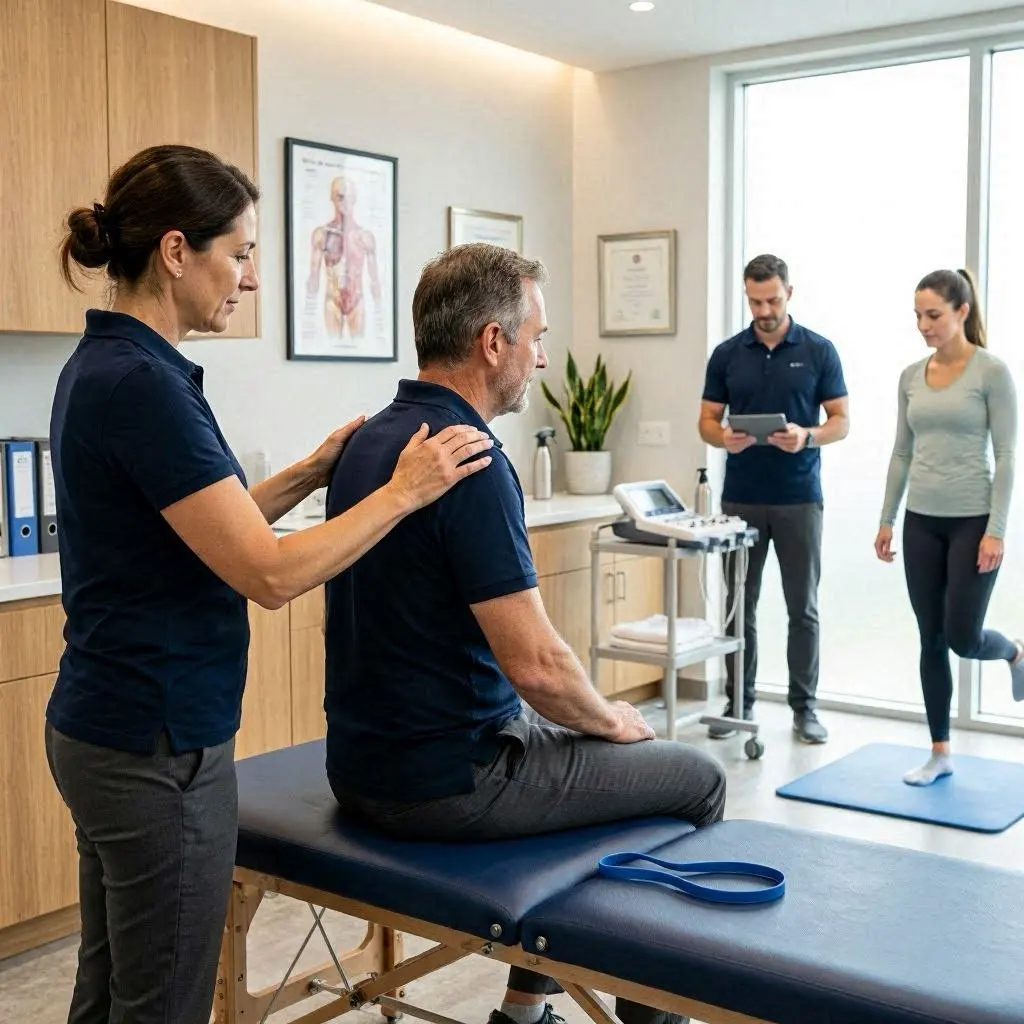
During your first appointment, a healthcare professional reviews your medical history, discusses your symptoms, and performs a physical examination. In addition, posture, spinal alignment, flexibility, muscle strength, joint mobility, and movement patterns are carefully evaluated. If necessary, imaging tests such as X-rays or MRI scans may be recommended to better understand the underlying condition.
Based on the findings, a customized treatment plan may include:
-
Chiropractic adjustments
-
Manual therapy
-
Joint mobilization
-
Therapeutic exercises
-
Stretching programs
-
Core strengthening
-
Postural correction
-
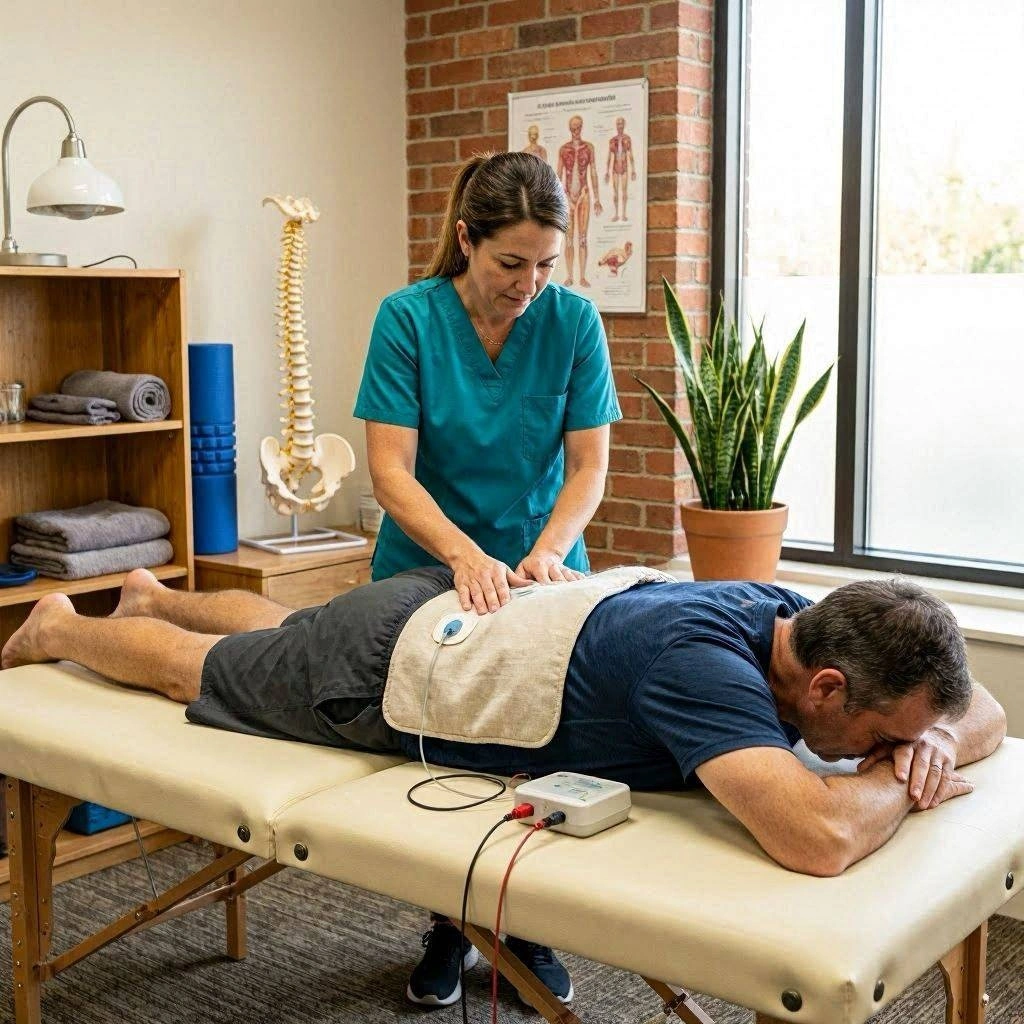
Heat or cold therapy
-
Ergonomic advice
-
Lifestyle recommendations
Ultimately, the goal is to relieve pain, restore movement, improve function, and reduce the risk of future injuries.
Common Causes of Lower Back Pain
Identifying the cause of pain is an important step toward successful treatment. Although many conditions can affect the lower back, several causes are especially common.
Muscle and Ligament Strains
Lifting heavy objects incorrectly, sudden twisting movements, or overuse can strain muscles and ligaments in the lower back. Consequently, pain, stiffness, and reduced mobility often develop.
Herniated or Bulging Discs
The discs between the spinal vertebrae act as cushions. However, when a disc bulges or ruptures, it may place pressure on nearby nerves, leading to pain, numbness, or weakness.
Poor Posture
Sitting for long periods, slouching, or standing incorrectly places unnecessary stress on the lumbar spine. Over time, poor posture can contribute to ongoing discomfort.
Arthritis
Osteoarthritis and other degenerative conditions may affect the joints of the lower spine. As a result, patients often experience stiffness, inflammation, and reduced flexibility.
Sciatica
Sciatica occurs when the sciatic nerve becomes irritated or compressed. Pain may travel from the lower back through the buttock and down the leg. Early treatment can often improve symptoms and restore movement.
Sports and Workplace Injuries
Athletes and workers performing repetitive lifting or physically demanding tasks may develop lower back injuries. Therefore, early rehabilitation is important for a safe recovery.
Benefits of Lower Back Pain Treatment
Effective Pain Relief
One of the primary goals of lower back pain treatment is to reduce pain while improving physical function. Through personalized care, many patients experience meaningful relief without relying solely on medication.
Improved Mobility
Restricted spinal joints and tight muscles can limit movement. Therefore, treatment focuses on restoring flexibility and increasing range of motion.
Better Strength and Stability (Lower Back Pain Treatment)
Weak core muscles often contribute to recurring lower back pain. Consequently, strengthening exercises help support the spine and improve stability during everyday activities.
Improved Posture
Correcting posture reduces unnecessary stress on the lumbar spine. In addition, better body mechanics help prevent future injuries.
Long-Term Prevention
Beyond treating current symptoms, lower back pain treatment helps patients develop healthier movement habits that reduce the likelihood of recurring problems.
Treatment Options for Lower Back Pain
Chiropractic Care
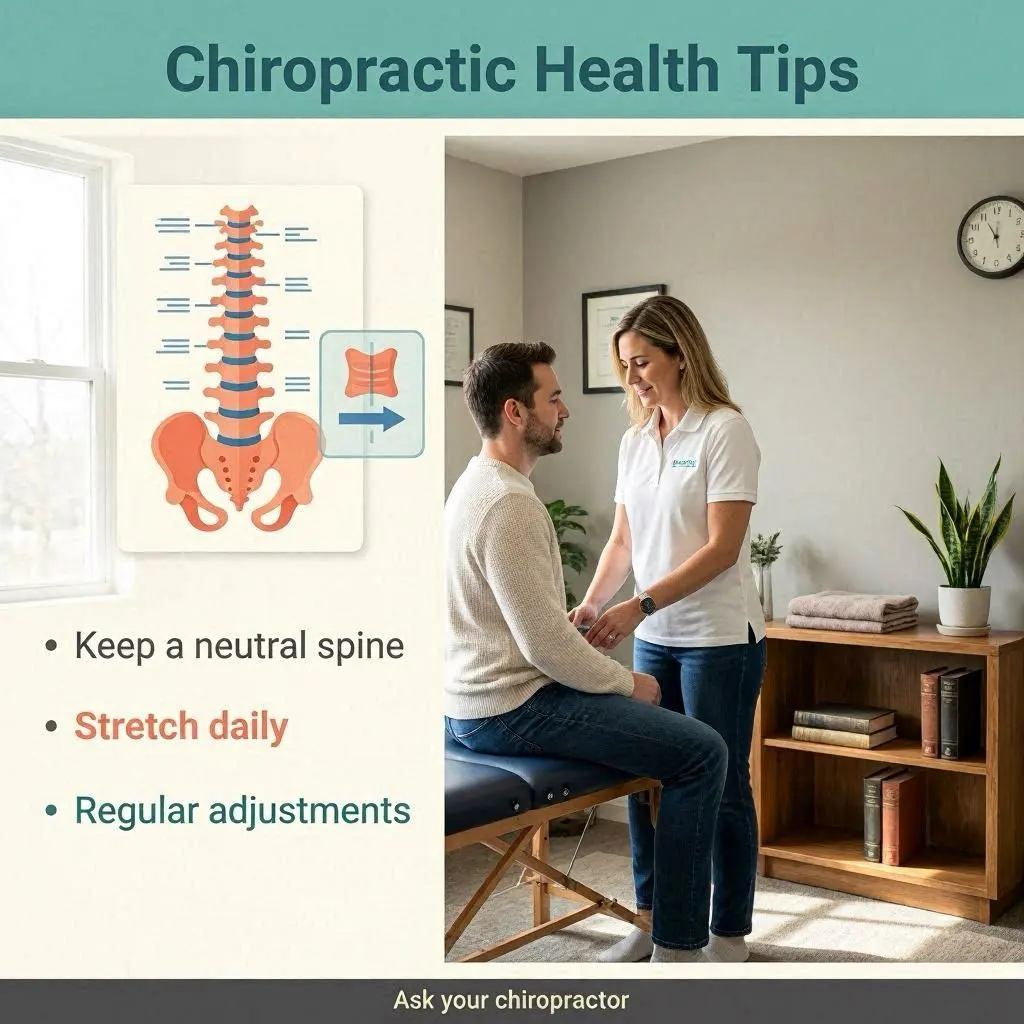
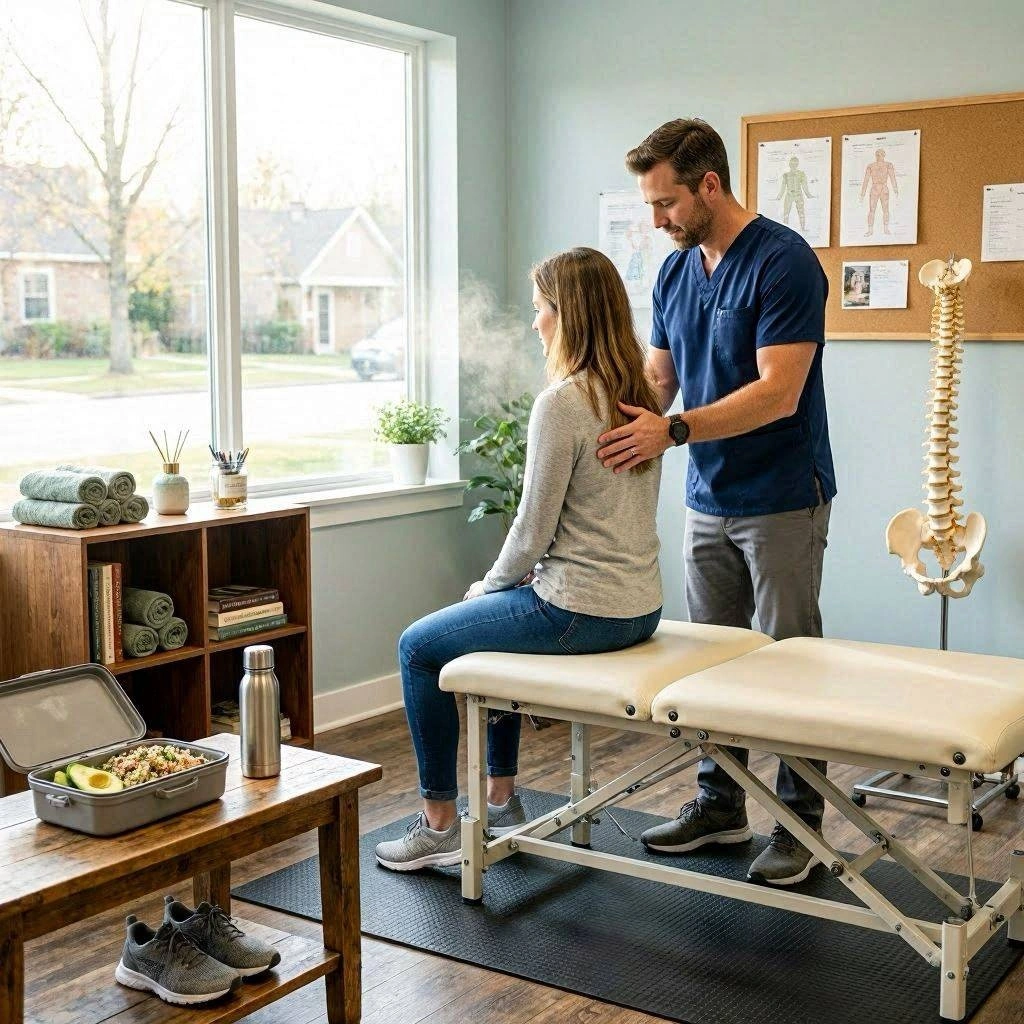
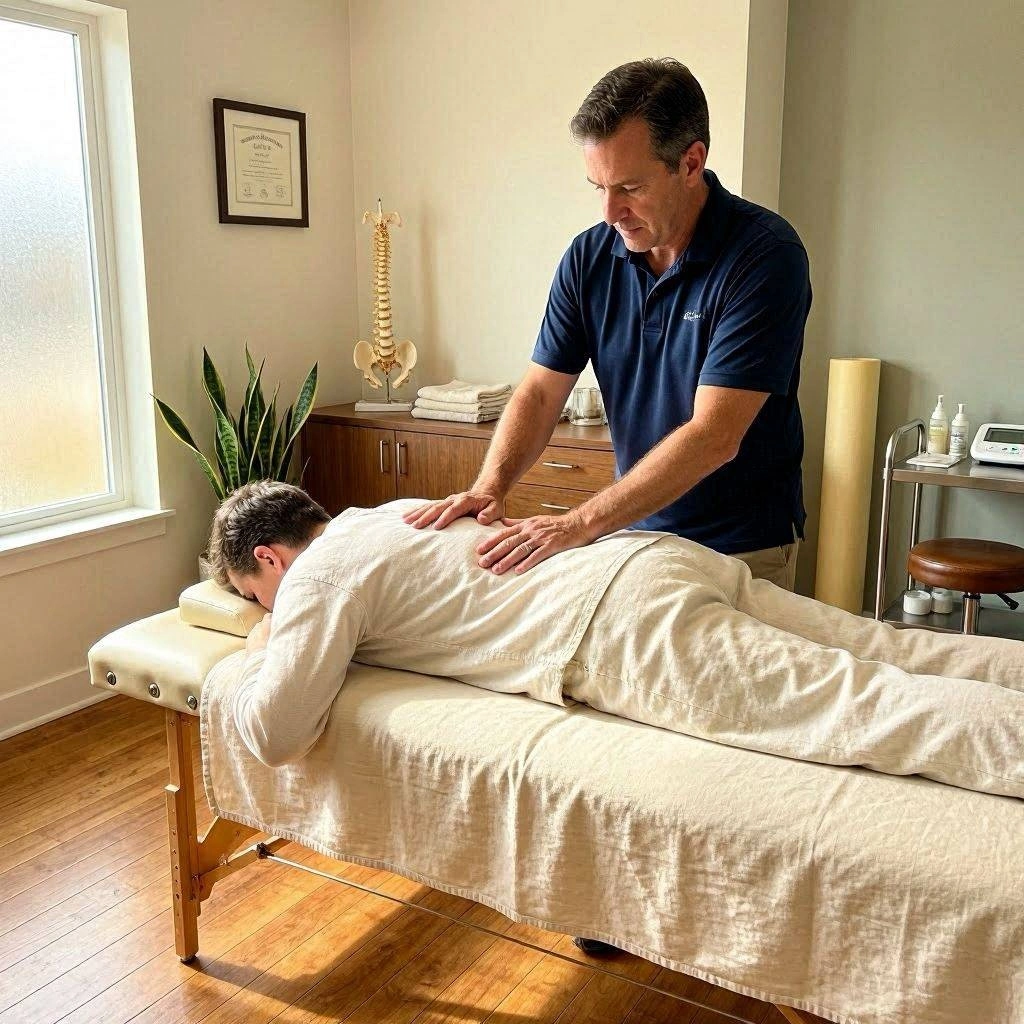
Chiropractic adjustments improve spinal mobility and help restore normal joint function. Consequently, many patients notice less pain and greater flexibility.
Manual Therapy (Lower Back Pain Treatment)
Hands-on techniques reduce muscle tightness, improve circulation, and encourage tissue healing. Furthermore, manual therapy complements rehabilitation exercises.
Therapeutic Exercise
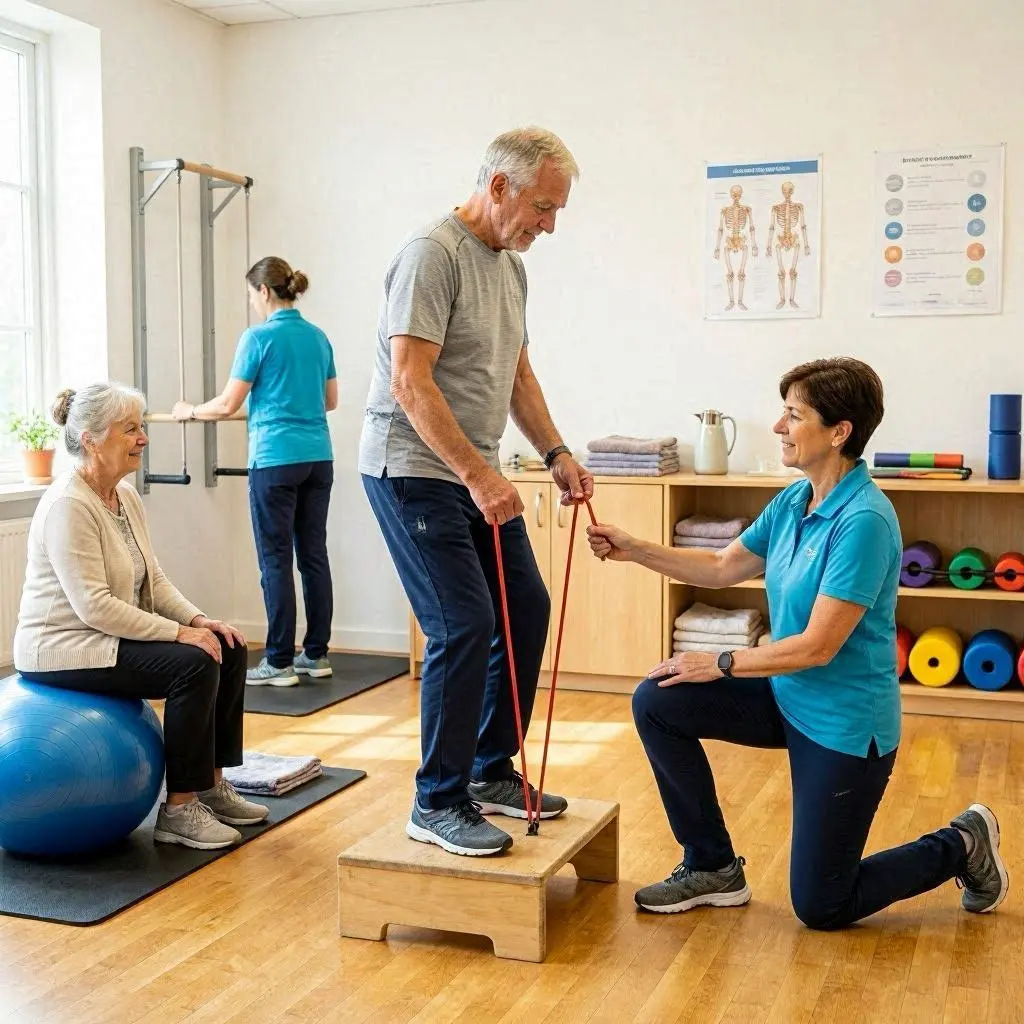
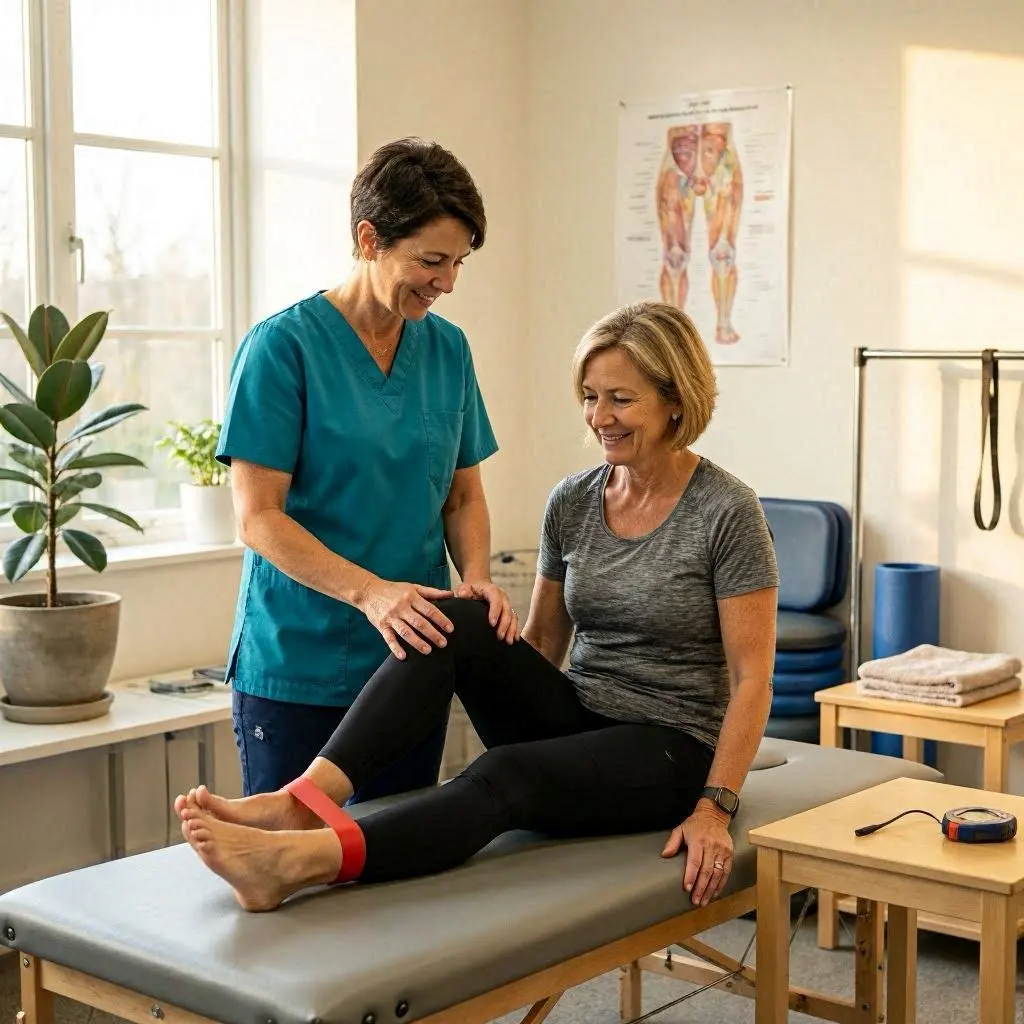
Customized exercise programs strengthen supporting muscles, improve endurance, and restore functional movement. As recovery progresses, exercises are adjusted to match the patient’s abilities.
Stretching Programs
Stretching helps reduce muscle tension while maintaining flexibility throughout the hips, pelvis, and lower back.
Core Strengthening (Lower Back Pain Treatment)
Strong abdominal and back muscles provide better spinal support. Therefore, core stability exercises play an essential role in long-term recovery.
Lifestyle and Ergonomic Advice
Healthcare professionals often recommend workstation adjustments, proper lifting techniques, and healthy movement habits that reduce stress on the lower back.
Supporting Recovery at Home (Lower Back Pain Treatment)
Professional treatment works best when patients remain active participants in their recovery. For example, completing prescribed exercises between appointments helps maintain progress.
Patients are also encouraged to:
-
Walk regularly.
-
Stretch daily.
-
Maintain good posture.
-
Lift safely.
-
Stay physically active.
-
Sleep on a supportive mattress.
-
Maintain a healthy weight.
-
Drink enough water.
-
Take breaks from prolonged sitting.
-
Follow professional advice consistently.
Most importantly, consistency helps achieve lasting improvements.
When Should You Seek Professional Treatment?
Although mild back pain sometimes improves with rest, professional evaluation is recommended if symptoms persist or worsen.
Consider seeking treatment if you experience:
-
Pain lasting longer than one week
-
Difficulty standing or walking
-
Pain that radiates into the leg
-
Frequent muscle spasms
-
Reduced spinal mobility
-
Recurring episodes of lower back pain
-
Pain that interferes with sleep or work
Early assessment often prevents minor problems from becoming chronic conditions.
When Is Emergency Medical Care Necessary? (Lower Back Pain Treatment)
Certain symptoms require immediate medical attention rather than conservative treatment. Seek emergency care if you experience:
-
Loss of bowel or bladder control
-
Severe weakness in one or both legs
-
Numbness around the groin or saddle area
-
High fever with severe back pain
-
Significant trauma after a fall or vehicle accident
-
Unexplained weight loss with persistent pain
-
Severe pain that rapidly worsens
These symptoms may indicate a serious medical condition requiring urgent evaluation.
Why Choose Professional Lower Back Pain Treatment?
Professional care offers a comprehensive approach that focuses on both pain relief and long-term recovery. First, healthcare providers identify the underlying cause of the problem through a detailed assessment. Next, personalized treatment addresses joint mobility, muscle strength, posture, and movement quality. Moreover, patients receive education that helps prevent future injuries and supports lifelong spinal health.
Because treatment is tailored to each individual’s condition and goals, outcomes are often more effective than relying on self-care alone.
Conclusion (Lower Back Pain Treatment)
Lower back pain treatment provides a safe, personalized, and evidence-informed approach to reducing pain, improving mobility, and restoring physical function. Through chiropractic care, manual therapy, therapeutic exercise, stretching, posture correction, and healthy lifestyle changes, many individuals achieve lasting improvements in comfort and movement.
Whether your pain results from muscle strain, poor posture, arthritis, sciatica, sports injuries, or everyday activities, seeking professional care early can support a faster recovery. By combining expert treatment with regular exercise and healthy daily habits, you can reduce pain, strengthen your back, and enjoy a healthier, more active lifestyle.