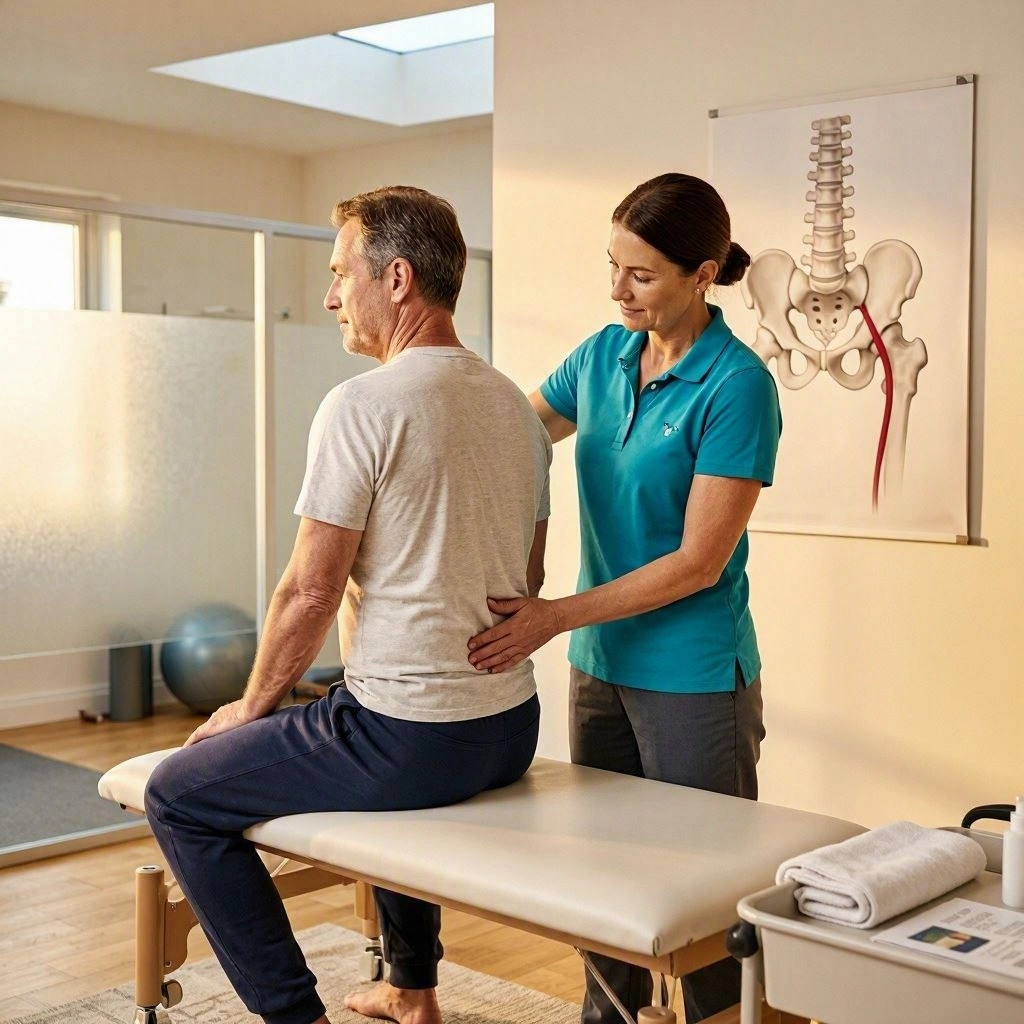

Spinal Manipulation: A Comprehensive Guide to Pain Relief, Mobility, and Spinal Health
The spine plays a vital role in supporting the body, protecting the spinal cord, and allowing smooth, coordinated movement. However, poor posture, repetitive activities, sports injuries, aging, or accidents can affect the way the joints of the spine move. When spinal joints become restricted, people may experience back pain, neck pain, headaches, stiffness, and reduced mobility. One conservative treatment commonly used to address these issues is spinal manipulation. Spinal manipulation is a manual therapy performed by qualified healthcare professionals, including chiropractors and some other trained practitioners. The goal is to restore normal joint movement, reduce discomfort, and improve physical function. Rather than simply masking symptoms, spinal manipulation aims to improve the mechanical function of the spine while supporting the body’s natural healing processes.
What Is Spinal Manipulation?
It is a hands-on treatment that involves applying a controlled, precise force to a spinal joint that is not moving normally. The technique is designed to improve joint mobility, decrease stiffness, and reduce irritation affecting surrounding muscles and nerves.
Before treatment begins, the healthcare provider performs a thorough evaluation to determine whether spinal manipulation is appropriate. Not every patient or every condition is suitable for this treatment, which is why an individualized assessment is essential.
The evaluation typically includes:
-
Medical history review
-
Discussion of current symptoms
-
Posture assessment
-
Spinal mobility testing
-
Joint examination
-
Muscle strength evaluation
-
Neurological assessment
-
Functional movement analysis
-
Review of imaging studies when necessary
Following the assessment, a personalized treatment plan is developed.
How Spinal Manipulation Works
Healthy spinal joints move freely during everyday activities. However, injury, muscle tension, inflammation, or poor posture can reduce joint mobility. Restricted joints may increase stress on nearby muscles and soft tissues, leading to pain and reduced movement.
Spinal manipulation applies a carefully controlled movement to the affected joint. Consequently, joint mobility may improve while surrounding muscles relax more effectively. Improved movement often allows patients to perform daily activities with greater comfort and confidence.
Conditions That May Benefit from Spinal Manipulation
Healthcare professionals may recommend spinal manipulation for selected musculoskeletal conditions, including:
Lower Back Pain
Mechanical lower back pain is one of the most common reasons people seek chiropractic care. Restoring joint mobility may help improve function while reducing discomfort.
Neck Pain
Restricted movement in the cervical spine can contribute to stiffness and pain. Gentle spinal manipulation may improve neck mobility in appropriate patients.
Tension Headaches (Spinal Manipulation)
Some headaches are associated with muscle tightness and restricted movement in the neck. Improving cervical mobility may reduce headache frequency for certain individuals.
Joint Dysfunction
Spinal joints that are not moving properly can contribute to pain and limited flexibility. Manual therapy helps restore healthier movement.
Muscle Tightness
Although spinal manipulation focuses on joints, improving joint mobility often reduces muscle tension as well.
Benefits of Spinal Manipulation
Reduced Pain
Many patients experience meaningful relief from mechanical back or neck pain following an individualized treatment program.
Improved Mobility
Restoring normal joint movement often improves flexibility and range of motion.
Better Posture
Healthy spinal movement supports improved posture and more efficient body mechanics.
Increased Physical Function (Spinal Manipulation)
As pain decreases and movement improves, patients often return more comfortably to work, recreation, and exercise.
Reduced Muscle Tension
Joint restrictions frequently contribute to protective muscle tightness. Improved joint mobility can reduce this tension.
Drug-Free Conservative Care
Spinal manipulation is a non-surgical treatment option that may be appropriate for certain musculoskeletal conditions as part of a broader care plan.
Techniques Used During Spinal Manipulation
Different manual techniques are selected based on the patient’s condition, comfort level, and medical history.
High-Velocity, Low-Amplitude Manipulation
This technique uses a quick, controlled movement to improve joint mobility. A popping sound may occur due to gas being released from the joint, although the sound itself is not an indicator of treatment success.
Low-Force Techniques (Spinal Manipulation)
Some patients benefit from gentle techniques that use minimal force, particularly older adults or individuals with specific medical conditions.
Instrument-Assisted Adjustments
Specialized instruments may deliver precise, low-force impulses to targeted joints.
Mobilization
Instead of a rapid movement, joint mobilization uses slow, repetitive movements to improve flexibility and reduce stiffness.
Spinal Manipulation as Part of a Comprehensive Treatment Plan
For many patients, spinal manipulation works best when combined with additional conservative treatments.
These may include:
-
Therapeutic exercises
-
Stretching programs
-
Soft tissue therapy
-
Massage therapy
-
Posture correction
-
Core strengthening
-
Ergonomic education
-
Lifestyle modifications
A comprehensive approach often provides better long-term outcomes than relying on one treatment alone.
Supporting Recovery at Home (Spinal Manipulation)
Patients can improve their results by following healthy daily habits.
Helpful recommendations include:
-
Perform prescribed home exercises.
-
Stretch regularly.
-
Maintain proper posture.
-
Stay physically active.
-
Strengthen your core muscles.
-
Drink adequate water.
-
Sleep on a supportive mattress.
-
Avoid prolonged sitting.
-
Lift objects correctly.
-
Attend follow-up appointments as recommended.
Consistency helps maintain improvements achieved during treatment.
Who May Benefit from Spinal Manipulation?
Spinal manipulation may be appropriate for:
-
Adults with mechanical back pain
-
Individuals with neck stiffness
-
Office workers
-
Athletes
-
People recovering from minor musculoskeletal injuries
-
Individuals with reduced spinal mobility
-
Patients seeking conservative pain management
However, suitability depends on a thorough clinical assessment.
Who May Not Be a Candidate?
It is not appropriate for everyone. Depending on the individual’s medical history and examination findings, alternative treatments may be recommended.
Certain conditions that may require avoiding spinal manipulation include:
-
Severe osteoporosis
-
Certain spinal fractures
-
Active spinal infections
-
Some cancers involving the spine
-
Severe spinal instability
-
Certain inflammatory conditions
-
Significant neurological compromise
A qualified healthcare provider will determine the safest treatment option.
When Should You Seek Professional Care?
Professional evaluation is recommended if you experience:
-
Persistent back pain
-
Neck pain lasting several days or longer
-
Reduced spinal mobility
-
Recurring headaches associated with neck pain
-
Muscle stiffness limiting daily activities
-
Joint pain affecting work or exercise
Early evaluation often improves recovery and helps prevent chronic problems.
When Is Emergency Medical Care Necessary?
Seek immediate medical attention if you experience:
-
Loss of bowel or bladder control
-
Sudden weakness in the arms or legs
-
Numbness around the groin or saddle area
-
Severe pain after major trauma
-
High fever with severe spinal pain
-
Loss of consciousness
-
Difficulty speaking
-
Chest pain or difficulty breathing
These symptoms require urgent medical evaluation rather than chiropractic treatment.
Choosing a Qualified Provider
If spinal manipulation is being considered, choose a licensed healthcare professional with appropriate education and experience. A qualified practitioner will:
-
Perform a comprehensive assessment.
-
Explain the diagnosis and treatment options.
-
Discuss potential benefits and risks.
-
Develop an individualized treatment plan.
-
Modify care according to your health status and recovery progress.
Clear communication helps ensure safe and effective treatment.
Conclusion (Spinal Manipulation)
It is a conservative treatment that can help improve joint mobility, reduce pain, and support better spinal function for selected musculoskeletal conditions. When performed by a qualified healthcare professional following a thorough assessment, it may provide meaningful relief for mechanical back pain, neck pain, and movement restrictions.For many patients, the best outcomes occur when It is combined with therapeutic exercise, posture correction, stretching, and healthy lifestyle habits. By addressing both symptoms and contributing factors, a personalized treatment plan can help improve mobility, restore function, and support long-term spinal health.